

Arai Yumi’s Most Popular Karaoke Songs Ranking [2026]

Speaking of Yuming, she’s now a singer who represents J-pop, but during her earlier stage name “Yumi Arai,” her songs—like Hikōkigumo and Kageriyuku Heya—had a somewhat different feel, with many tracks on the darker side.
It’s said there are still many die-hard fans of her Yumi Arai era even today.
Whether you prefer today’s Yuming or the Yuming of the past, be sure to check the ranking.
- Karaoke Ranking of Popular Songs by Yumi Matsutoya [2026]
- Yumi Arai Popular Song Rankings [2026]
- Yumi Matsutoya Popular Songs Ranking [2026]
- [Yumi Matsutoya’s Masterpieces] A Collection of Heart-Touching Gems: Yuming’s Finest Hits
- Yumi Arai’s Graduation Songs, Entrance Ceremony Songs, and Popular Songs Ranking [2026]
- Karaoke Popular Song Ranking of Mariya Takeuchi [2026]
- Yumi Matsutoya’s Tearjerkers: Best Cry-Inducing and Popular Songs Ranking [2026]
- Fumiya Fujii Karaoke Popular Songs Ranking [2026]
- Karaoke songs that are easy to sing even if you’re not confident in your pitch (for women in their 50s)
- Miyuki Nakajima’s Most Popular Karaoke Songs Ranking [2026]
- [For People in Their 50s] Ranking of Easy-to-Sing Karaoke Songs [2026]
- Recommended for women in their 60s! Easy-to-sing Japanese karaoke songs
- [Karaoke] A roundup of songs that are easy for women to sing!
Yumi Arai’s Most Popular Karaoke Songs Ranking [2026] (1–10)
Darkening RoomArai Yumi8rank/position

A masterpiece by Yumi Arai that poignantly portrays lovers facing a breakup, depicted through the shifting scene of a room from dusk to nightfall.
The solemn arrangement featuring a pipe organ and the gospel-style chorus by an all-star lineup—including Hi-Fi Set and Tatsuro Yamashita—further accentuate the pain of parting.
Released in March 1976, the song reached No.
10 on the weekly Oricon chart and No.
43 on the year-end chart.
It’s a track I wholeheartedly recommend to anyone who has experienced the farewell of a loved one.
Departing AutumnArai Yumi9rank/position

Singer-songwriter Yumi Arai has been active at the forefront from the 1970s to the present.
This song, included on the classic album MISSLIM released in October 1974, closes the record and is a perfect fit for the autumn air.
Its poetic worldview, which overlays a fading romance with the end of the season, leaves you feeling a touch sentimental as you listen.
The sophisticated arrangement by Masataka Matsutoya and the otherworldly sound featuring Tatsuro Yamashita and others are a perfect match.
The album MISSLIM reached No.
8 on the weekly charts.
Why not immerse yourself in the beautifully melancholic atmosphere of this work on a long autumn night?
Rainy StationArai Yumi10rank/position

“Ame no Station,” which Yuming released when she still had the surname Arai, is said to be set at Nishi-Tachikawa Station.
The season is the rainy monsoon.
Her ex-lover already has someone new.
She says, “Don’t remember me for that person’s sake,” yet when she stands at the station filled with their memories, she can’t help but think he might be there.
It’s a work that depicts such shifting emotions with a trembling delicacy.
Arai Yumi Karaoke Popular Songs Ranking [2026] (11–20)
If I’m wrapped in kindnessArai Yumi (Matsutoya Yumi)11rank/position

Yumi Arai’s song “Yasashisa ni Tsutsumareta nara,” also famous as the theme song for Studio Ghibli’s Kiki’s Delivery Service, is a classic from the period when Yumi Matsutoya—affectionately known as Yuming—was performing under the name Yumi Arai.
What makes this song so easy to sing is, above all, its widespread recognition.
Since people of all ages know it, it’s a reliable choice for karaoke when a wide range of generations are gathered.
If you’ve never sung it before, take this opportunity to add it to your repertoire.
The melody is easy to remember, and it’s a very gentle, soothing song.

Late Summer (A Season for One)Arai Yumi12rank/position
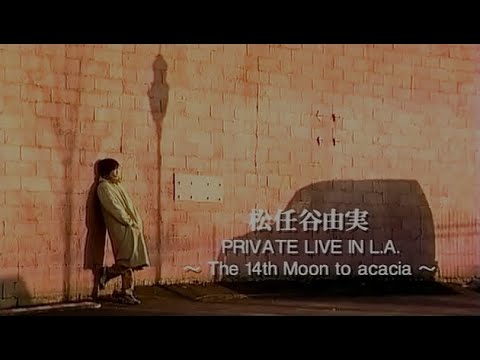
This is a song by Yumi Arai that overlays the changing seasonal scenery with the end of a romance and the beginning of time alone.
The sight of leaves blazing with color and delicate flowers swaying in the wind seems to reflect the protagonist’s loneliness.
The song was included on the album “The 14th Moon,” released under the name Yumi Arai in November 1976, and it also served as the theme song for the NHK dramas “Natsu no Furusato” and “Maboroshi no Budōen.” Its poignant melody—mingling a lingering affection for the summer that has passed with a quiet resolve for the seasons to come—resonates deeply with listeners.
Whether you play it on a drive while reminiscing about summer or during a slightly chilly evening stroll, it will gently keep you company.