

Singer-Songwriter/Artist Rankings of the 1980s [2026]

The 1980s were an era when artists like Eiichi Ohtaki, Miyuki Nakajima, and Shinji Tanimura—names even younger people may have heard—were active.
Here, we’re introducing songs by singer-songwriters from the 1980s, including those artists.
What kind of music did singer-songwriters from the bubble era create?
- Top Male Singer-Songwriter Hits of the 1980s: Ranking [2026]
- Top 1980s Female Singer-Songwriters: Popular Songs Ranking [2026]
- Masterpieces and hit songs of 80s Japanese pop (kayōkyoku)
- 1990s Male Singer-Songwriters: Popular Song Rankings [2026]
- Classic and hit Japanese pop songs from the nostalgic 80s
- A special feature on classic and hit songs by bands that were active in the 1980s
- Ranking of Popular Songs by Female Singer-Songwriters of the 1990s [2026]
- 1970s Female Singer-Songwriters: Popular Songs Ranking [2026]
- [Nostalgic Classics] Hit Japanese Love Songs from the 1980s
- Popular Nostalgic Hits and Classics Ranking [1980s Japanese Music Ranking]
- A heartbreak song that was a hit in the 1980s. A classic and popular track in Japanese music.
- Evokes the charm of the good old days. Showa-era inspirational songs that are still loved today.
- Classic and hit songs by nostalgic Japanese pop idols of the 80s
Singer-Songwriter/Artist Rankings of the 1980s [2026] (11–20)
My RevolutionWatanabe Misato15rank/position

This song, imbued with a powerful, forward-looking message, sings of reevaluating oneself and sparking an inner revolution.
It portrays the feelings of a protagonist who, along with a sense of loneliness, discovers a strength that is uniquely their own, appealing to the importance of the strength to chase dreams and to find a way of life that is true to oneself.
Released in January 1986 and reaching No.
1 on the Oricon charts, it is also known as the theme song for the TBS drama “Sailor-fuku Dori.” When you need courage to dive into a new environment, this is a track that will give you a push.
With Misato Watanabe’s powerful vocals, why not take the first step into a new chapter of your life?
I want to protect youMatsutōya Yumi16rank/position
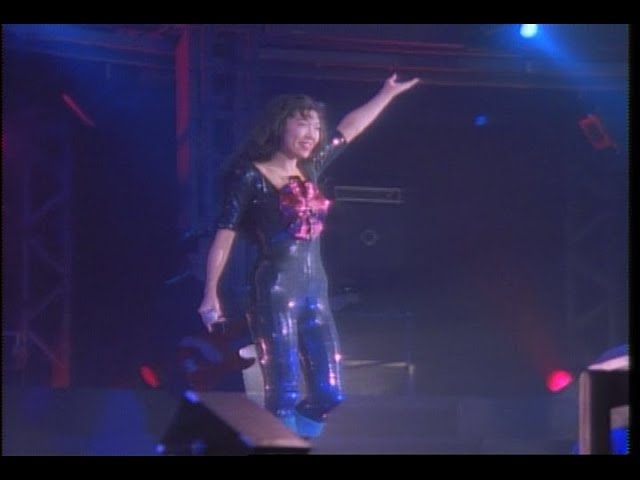
A song released by Yumi Matsutoya in 1981.
Chosen as the theme song for the Kadokawa film “The Aimed School,” it became a major hit and is one of the iconic classics of the Showa era.
As the title suggests, it sings of a profound love that gently envelops a cherished person, and a warm resolve to stay by their side while accepting one’s own weaknesses.
Its beautiful melody intertwined with Matsutoya’s tender, translucent vocals quietly soaks into the listener’s heart.
It’s a heartwarming track filled with universal kindness—one that makes you want to listen closely while thinking not only of romantic love, but also of the important people right in front of you, such as family and friends.
SOMEDAYSano Motoharu17rank/position

A classic by Motoharu Sano that sings of the radiance of youth and hope for the future.
Its poetic lyrics capture the struggles of being young and a nostalgic longing for days gone by.
Released as a single in June 1981 and included on an album of the same name the following year, it gained renewed attention in 1989 when it was featured in a JR Tokai commercial.
Characterized by a Phil Spector–style Wall of Sound, it has been covered by many artists.
A recommended track for those stepping into a new environment or looking back on their past selves.
Summer HornsInagaki Junichi18rank/position

Released in 1983, this work brims with an urban, stylish allure.
The lyrics, which look back nostalgically on lost summer memories and the end of a romance, resonate deeply with listeners.
Junichi Inagaki’s rich vocals blend beautifully with the pop melody to create a superb track.
It was also used in a commercial for Fujifilm’s car-stereo-only audio cassette tape “GT-I,” making it popular across generations.
It’s said that the chorus was completed after more than 100 takes.
Give it a listen when you want to revisit bittersweet summer memories, as a companion on a drive, or when you’re trying to move past a farewell with someone precious.
Merry Christmas Mr. LawrenceSakamoto Ryuichi19rank/position

This song is the theme for the film Merry Christmas, Mr.
Lawrence, released in Japan in 1983.
The film is a co-production between Japan, the United Kingdom, Australia, and New Zealand, and Ryuichi Sakamoto also appears in it.
English musician David Bowie is among the cast as well, and the film has earned a reputation as a masterpiece passed down through the generations.
Its piano-driven melody exudes an indescribable nostalgia, making it a profoundly captivating piece.
Make it a slow boogie (I want you)Minami Yoshitaka20rank/position

Released in 1981, Yoshitaka Minami’s “Suro na Boogie ni Shite Kure (I want you)” is a song distinguished by lyrics characteristic of Japanese kayōkyoku.
The content—“I want you”—has a straightforward, kayōkyoku-style line that gives it a slightly nostalgic feel.
On top of that, the whole track has a bluesy tone, which pairs perfectly with Minami’s sultry vocals to create a sweet atmosphere.
You don’t hear many blues-tinged songs like this these days, so it should feel very fresh even to listeners of the younger generation!

Singer-Songwriter Artist Rankings of the 1980s [2026] (21–30)
CheersNagabuchi Tsuyoshi21rank/position

In spring, when new chapters begin, it’s reassuring to have music that gently gives a push to backs filled with both hope and anxiety.
This song, one of Tsuyoshi Nagabuchi’s signature works, is one you should listen to especially when starting school or a new life.
It was originally included on the album “Kampai,” released in September 1980, but a re-recorded version released as a single in February 1988 became a massive hit, selling over a million copies.
With a warm backstory—said to have been written to celebrate a friend’s wedding—it has been loved across generations, even being featured as the song for a Kirin Lager Beer commercial in 2010.
The blessings and encouragement woven into the lyrics are sure to be a powerful cheer for those embarking on the journey of life.
It’s truly a Japanese anthem of support, the kind you’ll want to sing arm in arm with friends during cherry blossom season.