

Singer-Songwriter/Artist Rankings of the 1980s [2026]

The 1980s were an era when artists like Eiichi Ohtaki, Miyuki Nakajima, and Shinji Tanimura—names even younger people may have heard—were active.
Here, we’re introducing songs by singer-songwriters from the 1980s, including those artists.
What kind of music did singer-songwriters from the bubble era create?
- Top Male Singer-Songwriter Hits of the 1980s: Ranking [2026]
- Top 1980s Female Singer-Songwriters: Popular Songs Ranking [2026]
- Masterpieces and hit songs of 80s Japanese pop (kayōkyoku)
- 1990s Male Singer-Songwriters: Popular Song Rankings [2026]
- Classic and hit Japanese pop songs from the nostalgic 80s
- A special feature on classic and hit songs by bands that were active in the 1980s
- Ranking of Popular Songs by Female Singer-Songwriters of the 1990s [2026]
- 1970s Female Singer-Songwriters: Popular Songs Ranking [2026]
- [Nostalgic Classics] Hit Japanese Love Songs from the 1980s
- Popular Nostalgic Hits and Classics Ranking [1980s Japanese Music Ranking]
- A heartbreak song that was a hit in the 1980s. A classic and popular track in Japanese music.
- Evokes the charm of the good old days. Showa-era inspirational songs that are still loved today.
- Classic and hit songs by nostalgic Japanese pop idols of the 80s
Singer-Songwriter/Artist Rankings of the 1980s [2026] (41–50)
While shining…Tokunaga Hideaki43rank/position

Released in July 1987, this song became a huge hit as the theme for a Fujicolor commercial featuring Yoko Minamino.
With its beautiful yet slightly wistful melody, it is the masterpiece that catapulted Hideaki Tokunaga to fame.
Its world steeped in the confusion and resolve of taking the first steps into adulthood makes it perfect for graduation season and new beginnings.
The clear, high-toned vocals vividly bring back the glow of youth.
In Nagato City, Yamaguchi Prefecture—hometown of lyricist Akira Otsu—a monument to the song has been erected, and it continues to be deeply cherished by local residents.
It’s a gentle companion not only for those setting out on a spring journey, but also for anyone wishing to reminisce about days gone by.
BAN BAN BANKuwata Keisuke44rank/position
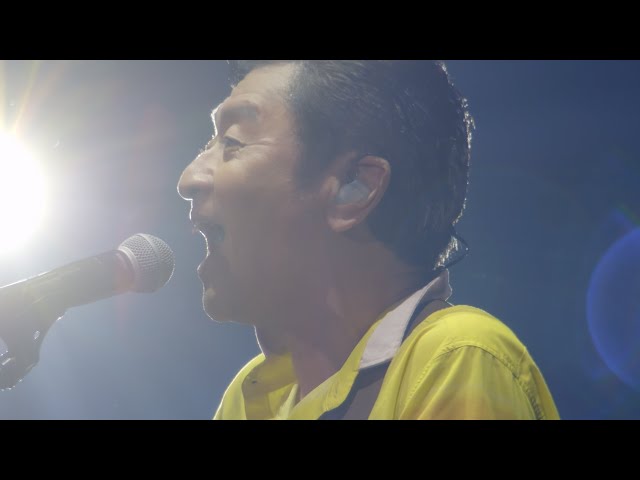
This is the debut single by KUWATA BAND, known for its upbeat sound and bittersweet lyrics.
Used in a Shiseido commercial, the song was released in April 1986 and spent 13 consecutive weeks in the Oricon Top 20.
Showcasing Keisuke Kuwata’s outstanding songwriting and composition, it expresses the pain of heartbreak and lingering feelings for past love through a blend of English and Japanese.
Its lyrics, portraying a fleeting summer romance, resonate deeply with listeners.
In 2022, it was also featured in a UNIQLO commercial, continuing to be cherished across generations.
It’s a recommended track for moments when you want to feel the ache of a breakup or reminisce about summer memories.
WaveKadamatsu Toshiki45rank/position

The final track from their debut album “SEA BREEZE,” released in 1981.
It’s a beautiful ballad you’ll want to listen to on a summer sunset beach.
Its bittersweet, mellow chord progression and melody feel luxurious and bubbly, evoking both the buoyant spirit of the booming ’80s and the poignancy of a summer romance’s end.
A hidden summer gem cherished by fans.
Come back.Matsumura Kazuko46rank/position

Under the catchphrase “The Return of the Men’s Enka (Yanshū),” Kazuko Matsumura made her debut with this song in 1980.
Her long hair and the striking way she handled the Tsugaru shamisen like a guitar left a strong impression.
Despite being a debut song, it became a hit and won the New Artist Award at the 22nd Japan Record Awards.
bullfighterChar47rank/position

This is a 1978 single released by Char, one of Japan’s leading guitarists.
It’s a sultry, adult-tinged number that pulls you in with its gripping intro guitar comping.
Back when kayō-rock made him as popular as an idol, Char’s sexy vocals perfectly matched lyricist Yū Aku’s world, which likens the push-and-pull between a man and a woman to a matador’s duel—sure to stir a man’s heart.
The Spanish-flavored guitar solos, especially in the interlude, are must-hear, and the track keeps you hooked with its cool swagger from start to finish!

DOWN TOWNEPO48rank/position

EPO’s debut single, which was also used as the theme song for Waratte Iitomo’s spin-off Oretachi Hyōkin-zoku.
It’s a well-known Sugar Babe song, but when sung in her voice it really gives off an ’80s vibe.
She had many other signature tracks as well and was gifted with enough songwriting talent to even provide songs for others.
The winter townSION49rank/position

This is a song included on SION’s third original album, “SIREN.” “SIREN” is his first full-length album, created in collaboration with his backing band, THE NOIS.
A live version of this track is also included on PSY・S’s live best album, “TWO SPILITS.”