

Camille Saint-Saëns Popular Songs Ranking [2026]

French composer Camille Saint-Saëns (1835–1921), who began playing the piano at the age of two and created numerous magnificent works.
With a modern sound that even those not familiar with classical music can enjoy, it wouldn’t feel out of place rolling over the end credits of a film.
This time, we’ll introduce a ranking of some of his most popular pieces!
- [Masterpiece Classics] A special showcase of gem-like masterpieces so beautiful they’ll move you to tears
- Cécile Chaminade Popular Song Rankings [2026]
- César Franck Popular Songs Ranking [2026]
- Erik Satie Popular Songs Ranking [2026]
- Gabriel Fauré Popular Songs Ranking [2026]
- Georges Bizet Popular Song Rankings [2026]
- Maurice Ravel Popular Songs Ranking [2026]
- Déodat de Séverac Popular Song Rankings [2026]
- Francis Poulenc Popular Songs Ranking [2026]
- Claude Debussy Popular Songs Ranking [2026]
- Emmanuel Chabrier Popular Song Rankings [2026]
- Franz Liszt Popular Song Ranking [2026]
- François Couperin Popular Songs Ranking [2026]
Camille Saint-Saëns Popular Songs Ranking [2026] (21–30)
The Carnival of the Animals, No. 14: FinaleCamille Saint-Saëns29rank/position

A dazzling, exhilarating piece that feels like the grand finale of a festival—that’s the closing movement of Camille Saint-Saëns’s suite The Carnival of the Animals.
Composed in 1886 for a private performance and first made public only after the composer’s death in 1922, the work builds from the piano’s brilliant opening trills as various instruments join in, with motifs of animals from earlier movements appearing one after another—truly the climax of the celebration.
The humorous tone pervades the whole piece, and the ending, capped with playful animal imitations, adds to its delightful charm.
It is also known for its use in Disney’s 1999 film Fantasia 2000, and it’s the kind of music that can sweep away the summer heat and leave you feeling refreshed.
Even those who don’t often listen to classical music are sure to discover its joy.
The Swan from The Carnival of the AnimalsCamille Saint-Saëns30rank/position
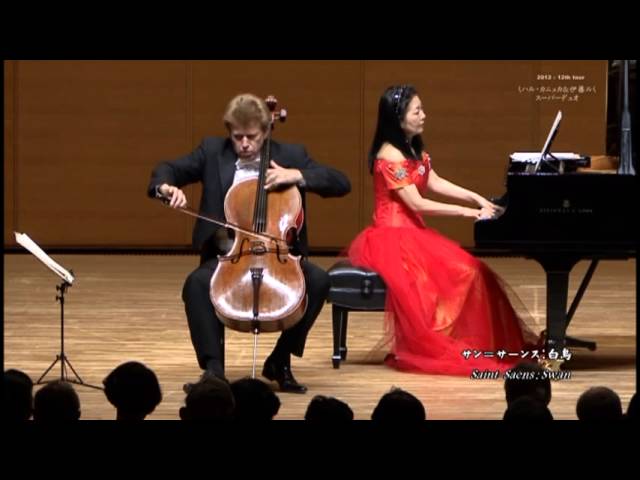
Camille Saint-Saëns’s The Carnival of the Animals is a suite and a popular work enjoyed by both children and adults for its pieces that evoke the movements of various animals.
Among them, The Swan captivates listeners with its refined, tranquil mood, reminiscent of a swan gracefully poised upon the water.
Camille Saint-Saëns Popular Songs Ranking [2026] (31–40)
Fantasia, Op. 95Camille Saint-Saëns31rank/position
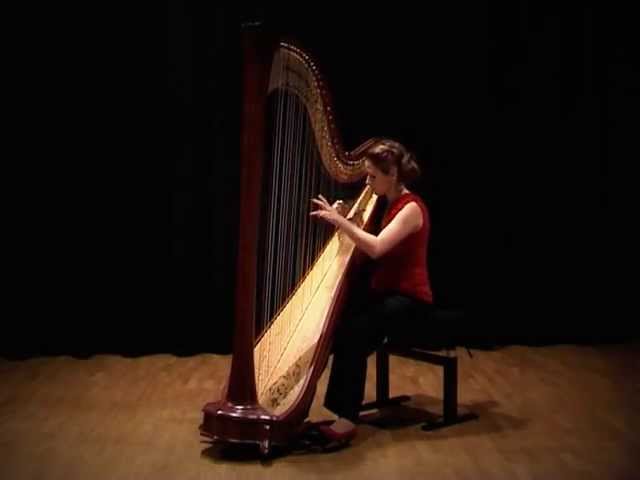
Charles-Camille Saint-Saëns is a leading French composer spanning the Romantic to the early modern era.
His Fantaisie, Op.
95, composed in 1893, is known as a work for harp.
This piece makes full use of the harp’s delicate and rich sonorities to evoke fantastical scenes.
It lasts about 9 minutes and 27 seconds and consists of two movements.
Through this work, Saint-Saëns explored the harp’s technical possibilities and created music that is richly expressive.
Listening to this beautiful harp piece on a quiet night to calm the mind, or on a morning as you welcome a new day, can bring a peaceful time.
It is especially recommended for those who wish to savor harp music deeply.
Introduction and Rondo Capriccioso in A minor, Op. 28Camille Saint-Saëns32rank/position

Camille Saint-Saëns’s Introduction and Rondo Capriccioso is a captivating work, notable for its charming melodies and the violin’s sense of vitality.
Some listeners may be especially familiar with the solo piano version by pianist Shinya Kiyozuka, which was used by figure skater Yuzuru Hanyu for his short program.
Although the piece was originally written for violin, performing it with interpretations unique to the piano can make it even more compelling and memorable for audiences.
It is also recommended to compare the original with the piano version and craft your performance while enjoying the different expressive possibilities.
Concert Piece in G major, Op. 154Camille Saint-Saëns33rank/position

The work for harp and orchestra by the French composer Camille Saint-Saëns was composed in 1918 and published the following year.
Dedicated to Nicole Anckier, this piece lasts about eight minutes and fully showcases the harp’s charm.
Characteristic of Saint-Saëns’s late style, it strongly reflects the Romantic era, with delicate yet rich sonorities that leave a strong impression.
While exploring the harp’s technical possibilities, it also achieves splendid harmony with the orchestra.
It is a recommended piece for those seeking soothing timbres or wishing to bask in an elegant atmosphere.
It might be especially nice to listen to on a fresh morning or a calm evening.
The Carnival of the AnimalsCamille Saint-Saëns34rank/position
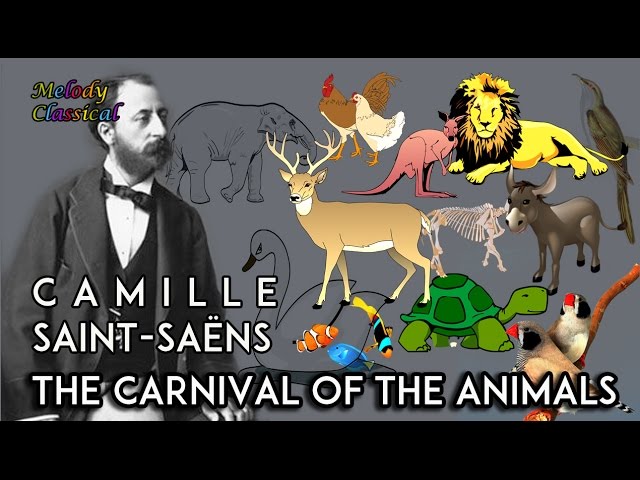
Carnival, the so-called carnevale, is originally a religious event held before Lent, but in modern times the term is used more broadly to refer to festivals and annual events that aren’t tied to that background.
Many people probably feel the end of summer and the beginning of autumn by taking part in the Asakusa Samba Carnival, held in Asakusa on the last Saturday of August every year.
A perfect classical piece to listen to at such times is The Carnival of the Animals.
It’s a suite of 14 pieces composed by the French composer Camille Saint-Saëns, originally written as chamber music.
It even includes parodies of existing classical works, which makes it great fun.
Personally, I’m reminded of Movement No.
7, Aquarium, which was used in a memorable scene in Nodame Cantabile.

The Carnival of the Animals, No. 13: The SwanCamille Saint-Saëns35rank/position

The Carnival of the Animals, a suite by French composer Camille Saint-Saëns, was originally written for chamber ensemble and later came to be performed in various arrangements, including orchestra and two pianos.
It is one of Saint-Saëns’s most celebrated works.
In particular, Movement No.
13, “The Swan,” is a calm and beautiful piece that evokes an elegant swan—perfect for spending peaceful winter moments.
Sheet music for piano four hands and solo piano is also available, so it’s a great choice to enjoy playing at home during the winter!
