

Edward Elgar Popular Song Rankings [2026]

Edward Elgar (1857–1934) was the British composer and conductor of the march Pomp and Circumstance, who was also awarded a baronetcy.
Throughout his life, Elgar left behind an enormous number of works.
Here, we present a best-of style ranking of his pieces.
- Elgar’s masterpiece. Popular classical music.
- Edvard Grieg Popular Song Rankings [2026]
- [Masterpiece Classics] A special showcase of gem-like masterpieces so beautiful they’ll move you to tears
- A Collection of Piano Works by Edward Elgar, the National Composer of Britain
- Gustav Holst Popular Song Rankings [2026]
- Jules Massenet Popular Song Rankings [2026]
- Déodat de Séverac Popular Song Rankings [2026]
- Jacques Ibert Popular Song Ranking [2026]
- William Walton Popular Songs Ranking [2026]
- Gustav Mahler Popular Songs Ranking [2026]
- Camille Saint-Saëns Popular Songs Ranking [2026]
- Jean Sibelius Popular Songs Ranking [2026]
- Richard Wagner Popular Songs Ranking [2026]
Edward Elgar Popular Songs Ranking [2026] (61–70)
Allegro for Concert PerformanceEdward Elgar61rank/position

Edward Elgar, known for masterpieces such as Pomp and Circumstance and Land of Hope and Glory, actually wrote relatively few works for piano.
However, among his limited piano pieces is a unique work titled Concert Allegro.
Composed in 1901 at the request of pianist Fanny Davies, this piece is Elgar’s only concert work for solo piano.
Written in a Romantic style, it gives an impression of a fusion between Bach and Liszt.
With its emotionally rich melodies and intricate pianistic techniques, it’s a compelling piece that makes you want to take on the challenge.
Variations on an Original Theme for Orchestra (Enigma Variations)Edward Elgar62rank/position
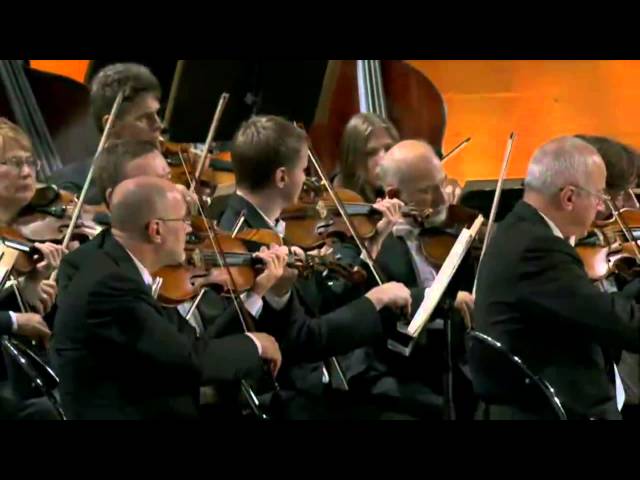
“Enigma Variations” is an orchestral work composed in 1898 and premiered in London in 1899.
Following the theme, it consists of 14 variations, from Variation I to Variation XIV.
Because arrangements for wind band have also been published, many school and community wind ensembles may have performed it as a classic repertoire piece.
Edward Elgar gained international fame through the success of this work, and it has continued to be loved by the public alongside “Pomp and Circumstance March No.
1,” composed in 1901.
Pomp and Circumstance March No. 3 in C minorEdward Elgar63rank/position

Edward Elgar, one of Britain’s most representative composers, wrote six Pomp and Circumstance Marches.
Here we present March No.
3.
Its key of C minor and powerful rhythms are striking, creating a majestic atmosphere.
Born in 1857, Elgar rose to fame rapidly in his forties.
His music is characterized by lyrical melodic gifts, delicate harmonies, and richly colored orchestration.
Although this piece has no lyrics, a full orchestral performance captivates listeners with its sheer impact.
It is recommended not only for those interested in classical music but also for anyone who enjoys grand, expansive sound.
Pomp and Circumstance March No. 2 in A minorEdward Elgar64rank/position

While the first of Pomp and Circumstance is the most famous, the second is also a wonderful piece.
Composed in 1901, this majestic march is part of Elgar’s Pomp and Circumstance series.
It carries a powerful, noble atmosphere and has long been cherished as a national symbol of Britain.
Distinguished by its elegant melody and rich orchestration, it is often performed at graduations and formal ceremonies.
Elgar sought to move people through music, and this piece is filled with festive, heart-stirring elements.
It’s a recommended work for those interested in classical music or looking to experience British culture.
Pomp and Circumstance March No. 4 in G majorEdward Elgar65rank/position

We delve into the allure of composer Edward Elgar.
Born in 1857, Elgar grew up surrounded by music.
His representative work, “Pomp and Circumstance,” is characterized by its grand, powerful rhythms.
Completed on June 7, 1907, the piece premiered in London on August 24.
Elgar composed it at the age of 50 and dedicated it to a friend.
Although it has no lyrics, the music alone conveys national pride and historical dignity.
It is recommended for those interested in classical music or seeking something majestic to listen to.
Through Elgar’s music, you can also gain a sense of Britain’s culture and history.