

Popular Enka. Latest Rankings [2026]

We’re excited to present the latest top 100 enka hits from the monthly popularity rankings, listed in order of most views! Enka is a uniquely Japanese music genre.
With a long history, it continues to captivate devoted fans today—so be sure to check it out! The playlist is updated every month.
- Popular Enka Singers Ranking [2026]
- Enka Karaoke Popularity Rankings [2026]
- [2026] Recent hit enka songs: must-watch popular kayō tracks
- Enka Singer Popularity Ranking in Karaoke [2026]
- [May 2026] Latest Enka and Kayōkyoku roundup. Check out the buzzworthy new songs!
- [2026] All-Time Enka Sales Ranking
- Ranking of Beloved Hit Songs Among Women [2026]
- [2026] Representative Famous Enka Songs: A Compilation of Classic Favorites [Beginner-Friendly]
- [Revisited] A roundup of popular and classic Showa-era songs that are trending now [2026]
- Hiroshi Itsuki Popular Songs Ranking [2026]
- Kohei Fukuda Popular Song Ranking [2026]
- Hikawa Kiyoshi Popular Songs Ranking [2026]
- [50s] Popular Song Ranking by Generation [2026]
Popular enka. Latest Rankings [2026] (61–70)
Woman of ShinjukuFuji Keiko64rank/position

Some people may only know Keiko Fuji as the mother of Hikaru Utada, but Fuji, with her powerful, gravelly voice that belied her teenage years and her innate vocal talent, was truly worthy of being called a genius singer.
If you listen to her debut single “Shinjuku no Onna,” released when she was just 18, you’ll understand how extraordinary she was.
It’s a classic that achieved commercial success and catapulted her to stardom, and it fully showcases the appeal of her husky voice—lush yet tinged with melancholy.
While it’s an enka song, it also carries a kayōkyoku flavor, so those who aren’t fond of traditional enka might find it easier to sing.
That said, actually mastering it is another matter entirely; it’s extremely difficult to capture Fuji’s phrasing, which spans a wide vocal range.
Not only the high notes and vibrato, but also clearly articulated low melodies are challenging—keep that in mind as you practice.

Naniwa SpiritSakamoto Fuyumi65rank/position

It’s a powerful song that makes you want to call it the spirit of Osaka.
It’s Fuyumi Sakamoto’s first cheer song themed around Osaka, released in March 2025.
Selected as a recommended track by TBS Radio, the piece also drew attention for reuniting her with composer Chiaki Oka after roughly nine years.
The lyrics’ worldview—emphasizing the importance of moving forward without succumbing to adversity and portraying people who grow through perseverance—really hits home.
Sing it at karaoke, and you’re sure to lift your listeners’ spirits.
Keiko’s Dream Opens at NightFuji Keiko66rank/position
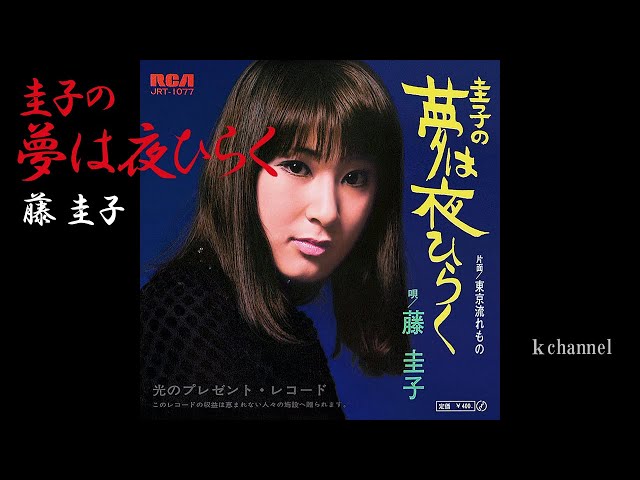
A signature song by Keiko Fuji that stirs listeners’ hearts with her poignant, melancholic voice.
The lyrics vividly portray the loneliness and hope of a woman living in the night world, and Fuji’s distinctive vocal prowess further elevates the song’s appeal.
Released in April 1970, it won that year’s Japan Record Awards for popular song and marked her first appearance on NHK’s Kōhaku Uta Gassen, catapulting her to fame.
While it may be hard to imitate her resonant low notes and naturally husky tone, it’s a masterpiece that beginners who struggle with high notes should definitely try.
Enduring RainGodai Natsuko67rank/position

Natsuko Godai’s “Shinobu Ame” is one of the signature songs of her music career.
Released on May 21, 1990, the track left a significant mark on Japan’s enka scene.
It peaked at No.
12 on the weekly Oricon chart and became a long-running hit, staying on the charts for a total of 52 weeks and selling 421,000 copies.
It also received numerous awards, including the Broadcast Music Award at the 21st Japan Kayō Awards.
The song’s appeal lies in its delicate, rain-themed lyrics and Godai’s emotionally rich vocals.
Comparing deep feelings for a lover to falling rain, the lyrics resonate with many listeners, delivering a quiet yet powerful message.
As one of Natsuko Godai’s representative works, it’s a must-listen not only for enka fans but also for those who don’t usually listen to enka.
Silent SlopeKouzai Kaori68rank/position

This is a masterpiece by Kaori Kozai, created by an exceptionally illustrious team: music by Koji Tamaki and lyrics by Mitsuhiko Kuse (under the pen name Mutsuki Ichikawa).
Released in March 1993, the song won the 35th Japan Record Award.
The protagonist’s inexpressible, heartrending cry—wanting to go back but unable to, needing neither consolation nor excuses—reaches the listener’s heart through Kozai’s richly emotive vocals.
It’s a song that gently stays by your side when you’re carrying the pain of a hopeless love.
It may even make your chest tighten as memories of past romances come rushing back.
Anemone flaccida (nirinsō; literally “two-flowered anemone”)kawanaka miyuki69rank/position
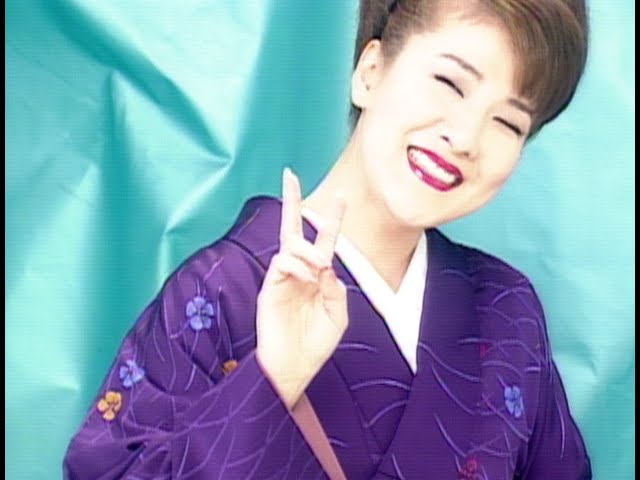
Among Miyuki Kawanaka’s songs, “Nirinsō” stands out as one of the most well-known, with sales reaching one million copies.
Kawanaka herself released an album titled “Shiawase Enka,” and it’s fitting that “Nirinsō” is the first track—its bright, upbeat tone is distinctive and seems to symbolize the “sunny” side of enka, which expresses the full spectrum of life’s emotions.
For enka fans, it needs no introduction, and it’s also immensely popular at karaoke, so there’s no need for excessive commentary.
For beginners, however, practicing this song can be a great way to learn fundamental enka techniques like vibrato and kobushi.
If the high notes are tough, adjust the key to suit your voice, study the wonderful lyrics, and sing with feeling.
As I am in love…Akimoto Junko70rank/position

A classic song that pours deep affection and pure emotions into a distinctive husky voice was released in January 2008.
Created by a veteran singer active across diverse genres such as jazz and Latin, the track gradually gained popularity after its release and achieved an extraordinary feat by reaching No.
1 on the weekly charts a year later.
The artist also performed at the 2008 Kōhaku Uta Gassen, capturing the hearts of many.
Set to a wistful melody featuring a memorable accordion timbre, the lyrics convey sincere feelings for a beloved person and resonate with listeners of all generations.
When tackling it at karaoke, consider emphasizing rich expressiveness and singing along to the relaxed tempo.