

Popular Enka. Latest Rankings [2026]

We’re excited to present the latest top 100 enka hits from the monthly popularity rankings, listed in order of most views! Enka is a uniquely Japanese music genre.
With a long history, it continues to captivate devoted fans today—so be sure to check it out! The playlist is updated every month.
- Popular Enka Singers Ranking [2026]
- Enka Karaoke Popularity Rankings [2026]
- [2026] Recent hit enka songs: must-watch popular kayō tracks
- Enka Singer Popularity Ranking in Karaoke [2026]
- [May 2026] Latest Enka and Kayōkyoku roundup. Check out the buzzworthy new songs!
- [2026] All-Time Enka Sales Ranking
- Ranking of Beloved Hit Songs Among Women [2026]
- [2026] Representative Famous Enka Songs: A Compilation of Classic Favorites [Beginner-Friendly]
- [Revisited] A roundup of popular and classic Showa-era songs that are trending now [2026]
- Hiroshi Itsuki Popular Songs Ranking [2026]
- Kohei Fukuda Popular Song Ranking [2026]
- Hikawa Kiyoshi Popular Songs Ranking [2026]
- [50s] Popular Song Ranking by Generation [2026]
Popular enka. Latest ranking [2026] (1–10)
Memories SakeKobayashi Sachiko8rank/position

This is a signature enka single released on January 25, 1979, which became a massive hit selling over two million copies.
It ranked 3rd on Oricon’s year-end chart and won the Best Vocal Performance at the 21st Japan Record Awards, with its poignant lyrics about lingering feelings for a former lover resonating with listeners.
The section before the chorus sits quite low, so try to avoid a muffled tone.
Focus on diaphragmatic breathing and make sure you can use your breath steadily.
Inhaling through the nose won’t give you enough air, so take a big breath through your mouth and try projecting your voice as if slowly exhaling straight ahead.
It’s good to sing the chorus with added drive and momentum.

Tsugaru Strait – Winter SceneIshikawa Sayuri9rank/position
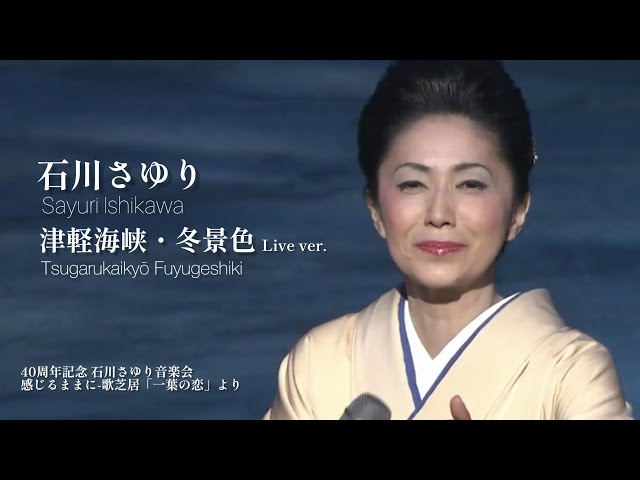
Sayuri Ishikawa’s signature song “Tsugaru Strait—Winter Scene,” released on January 1, 1977, is a masterpiece that portrays parting and resolve set against the northern strait, and it marked her turning point into a full-fledged enka singer.
The intro is also very striking—so famous you can hum it right from the start.
The song’s overall range is a slightly high F#3–D5, and the chorus suddenly leaps into the high register, so be careful—some people may end up tensing up by trying to sing powerfully.
Keep your head resonance engaged at all times, and when you go into the high notes, aim to resonate in the same place.
Nanukamachi HanakojiAsō Chigusa10rank/position

We’d like to introduce a heartwarming enka song that evokes nostalgic Showa-era scenes.
Set in Nanokamachi in Yamagata Prefecture, this richly narrative piece is told from the perspective of a bar proprietress.
Chigusa Aso’s powerful vocals beautifully express hometown pride and the subtleties of human kindness.
Released in October 2024, the track strongly reflects Yamagata’s culture, incorporating the local dialect phrase “Oshōshina” (thank you).
Recommended for those who cherish their roots and value human connections.
Listen to this song, and you’re sure to be wrapped in a warmly nostalgic atmosphere.
Popular Enka. Latest Ranking [2026] (11–20)
O-Shichi and the Night Cherry BlossomsSakamoto Fuyumi11rank/position

Fuyumi Sakamoto is a female enka singer who studied under the acclaimed enka vocalist Yuriko Futaba.
With a highly original musical style that incorporates a wide range of genres, she has gained popularity both within and beyond the enka scene.
Her song “Yozakura Oshichi,” released in 1994, features an unusually upbeat melody for enka at the time.
The vocal range spans from mid1F to hiD, which is typical for female vocals, but the BPM is 140, making it relatively fast, so it’s best to master the rhythm thoroughly before singing.

Headwind InnocenceTakeshima Hiroshi12rank/position

Released in 2021 and peaking at No.
5 on the Oricon chart, the hit song “Mukaikaze Junjō” is a track that showcases Hiroshi Takeshima’s refined vocals and is also known as the theme song for the NHK BS drama “Daifugō Dōshin 2.” With lyrics by Goro Matsui and composition by Takashi Toshimi—both giants in the field—it’s a killer tune that evokes the golden era of Showa-era pop.
Many people will likely want to try it at karaoke.
When singing it at karaoke, be sure to pronounce each word clearly, and consciously create contrast between the crisp, rhythmic parts and the expansive, sustained phrases.
While recreating the choreography that drew attention in the music video, don’t be shy—go all in and sing with bold, stylish flair, even to the point of overdoing it.

Nostalgic JonkaraHosokawa Takashi13rank/position

Takashi Hosokawa is known for his naturally expansive high notes and exceptional vocal ability and expressiveness, grounded in a background in folk music.
This work is one of his signature songs, released in 1985—a masterpiece among masterpieces that overwhelms with its striking shamisen tones in the intro and Hosokawa’s folk-influenced singing.
Even an amateur can grasp the difficulty of mastering this song from the very beginning, but the folk-style sections are arguably the toughest part.
That said, the main sections also feature many performances marked by Hosokawa’s trademark powerful high notes and sustained tones, demanding considerable lung capacity.
You’ll likely find it very difficult to keep time in the folk-style parts as well, so listen to the original track repeatedly and train your body to internalize the rhythm and melody.
Life is full of ups and downs.Shimakura Chiyoko14rank/position

This is her biggest hit, released on April 21, 1987.
She performed it at that year’s Kōhaku Uta Gassen, which helped broaden its appeal among younger generations, and it became a major hit that sets the joys and sorrows of life to a light, upbeat rhythm.
The overall vocal range of the song is a calm F3–G4, so the key is that you can sing it without forcing your voice from the start.
When singing, instead of projecting with a big voice, try placing the voice right in front of you to maintain a composed tone.
In the latter half, the key changes and the range goes higher, so open your eyes wide and be careful not to let the pitch drop.