

Japanese Pop (J-Pop) Rankings Popular Among Women [2026]

We’ve put together a collection of popular J-pop songs by female artists that have racked up lots of plays.You’re sure to find the perfect track for you.Feel free to use this as a reference.You might even discover a wonderful song you’ve never listened to before!
- Ranking of Beloved Hit Songs Among Women [2026]
- Recommended Japanese Female Artists and Popular Song Rankings for Women [2026]
- Popular Japanese Music / J-POP Artist Rankings [2026]
- Best/Loved Songs with Great Lyrics by Female Singer-Songwriters: Ranking [2026]
- Ranking of Popular Japanese Songs and J-Pop Among High School Girls [2026]
- Band Rankings Popular with Women [2026]
- Ranking of Popular Japanese Music/J-POP Artists Among People in Their 20s [2026]
- Women's Popular Karaoke Rankings [2026]
- Top Female Singer-Songwriters and Popular Songs of the 2000s [2026]
- [If You Can Sing These, You're Amazing!] Cool Karaoke Songs for Women
- Karaoke That Gets Everyone Excited: Women’s Rankings [2026]
- Popular Cute Songs: Japanese Music/J-Pop Artist Rankings [2026]
- Commercial Songs by Japanese Female Artists: CM Songs and Popular Track Rankings [2026]
Japanese Pop (J-POP) Rankings Popular with Women [2026] (91–100)
It’s nothing.Kamishiraishi Mone91rank/position
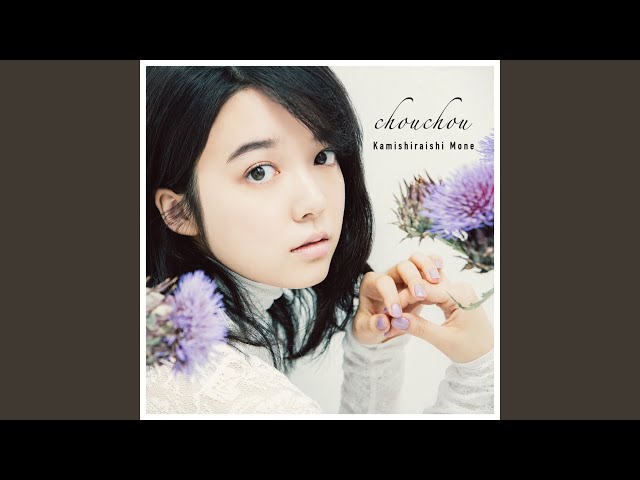
Nandemonaiya by RADWIMPS is the ending theme of the blockbuster 2016 animated film Your Name.
Mone Kamishiraishi’s cover version captivates with her gentle, mellow vocals.
The bittersweet, tender lyrics, packed with the film’s worldview, pair perfectly with a soft, embracing female voice.
If you sing it at karaoke with someone who’s seen the movie, you might be able to get even closer afterward by chatting about the film!

A Midsummer Night’s DreamMatsutōya Yumi92rank/position

When it comes to Yuming’s signature songs, this is the one! The lyrics vividly portray a passionate romance on a hot summer night.
Amid shimmering fireworks and sudden downpours, it captures sweet, heartrending moments with striking clarity.
Released in July 1993, it was used as the theme song for the TBS drama “Dare ni mo Ienai” (“I Can’t Tell Anyone”).
The single topped the Oricon weekly chart and became her first million-seller.
It has been covered by many artists, a testament to its widespread appeal.
Highly recommended if you want to liven up a karaoke session—enjoy its exotic, passionate atmosphere while reminiscing about a love from the past.
Love WindIkuta Rira93rank/position

A single with a refreshing feel, like a gentle breeze blowing through.
Released by YOASOBI’s vocalist, Lila Ikuta, in April 2025, this song was written as the theme for ABEMA’s show “Kyo, Suki ni Narimashita: New Zealand Edition.” It marks her third time handling the theme song for the series, making it a familiar presence for fans of the program.
The lyrics capture the mix of hope and anxiety at the start of love, gently giving listeners a push forward.
Carried by her translucent voice, it’s a cheering song that gives you the courage to take a new step.
Try singing it with your feelings for someone special in mind, or to rally yourself.
Things that have formShibasaki Kou94rank/position

It became a long-running hit as the theme song for the drama “Crying Out Love, In the Center of the World,” reaching No.
2 on the Oricon charts for three consecutive weeks and No.
6 for the year! It’s a ballad that portrays a heartrending romance, structured so that it starts quietly and the emotions explode in the chorus.
The tempo is slow, so the pitch bar is easy to follow and it’s easier to stay on pitch, making it feel singable even for beginners.
If you take solid breaths for each phrase and project your voice toward the mic, your expressiveness will score extra points too! For the start of the pre-chorus, come in with a firm voice, and in the chorus, don’t hesitate—letting your voice out boldly feels good and hits just the right spot.

Lingering Snowiruka95rank/position

This song poignantly portrays a heartrending farewell, using unseasonal snow as its motif.
Set on a station platform as spring approaches, the story vividly conveys the lingering attachment of a man who cannot accept the parting.
First performed on the album “The World of Iruka,” recorded in March 1975, and released as a single that November, it became one of Iruka’s signature classics.
It peaked at No.
4 on the Oricon chart, ranked No.
11 for the year, and sold over 800,000 copies.
With Masataka Matsutoya’s rich arrangement paired with Iruka’s gentle vocals, the song beautifully depicts the scene of farewell.
It’s recommended for moments when you want to reminisce about your youth and look back on precious times with someone dear.