

[50s] Popular Japanese Music / J-POP Rankings [By Generation]

We’re excited to present the latest Top 100 ranking of Japanese pop (J-pop) songs for listeners in their 50s, ordered by most plays! As we reach this stage of life, we may find ourselves looking back on the music we’ve listened to rather than seeking out new sounds.
Seeing the paths each of us has taken might be one of the ways to enjoy music.
The playlist is updated weekly.
- [50s] Popular Song Ranking by Generation [2026]
- [2026] Crowd-Pleasing Songs Recommended for People in Their 50s: A Collection of Nostalgic Classics
- Ranking of Popular Japanese Pop (J-Pop) Artists Among People in Their 50s [2026]
- [40s] Popular Songs Ranking by Generation [2026]
- Coming-of-age songs for your 50s: heart-thumping × heartwarming classics and popular tracks [2026]
- [For People in Their 50s] Ranking of Easy-to-Sing Karaoke Songs [2026]
- Dance music in Japanese (J-pop) that people in their 50s used to listen to. Nostalgic classic hits.
- [Ages 60s] Popular Japanese Music / J-POP Rankings [By Generation]
- [2026] A collection of autumn songs for people in their 50s. Showa-era classics that bring back memories of those days
- Recommended Japanese Music Artists and Popular Song Rankings for Men in Their 50s [2026]
- Recommended for women in their 50s! A curated selection of classic and popular karaoke hits that will get the crowd going
- [For People in Their 50s] Karaoke Songs That Get the Crowd Going: Ranking [2026]
- Good songs recommended for people in their 50s: classic and popular J-pop tracks.
[50s] Popular Japanese Music / J-POP Rankings [By Generation] (81–90)
RUNNERbakufū suranpu86rank/position

A heart-stirring anthem of encouragement themed around a track-and-field team, depicting young people who keep running with single-minded devotion.
Released in October 1988, it’s a medium-tempo rock number by Bakufu Slump.
Powerfully interwoven are its strong guitar riffs, exhilarating sense of speed, and the passionate vocals of Mr.
Sunplaza Nakano.
Featured as an insert song on the TV show “Tensai! Takeshi no Genki ga Deru TV,” it became a major hit, reaching No.
6 on the Oricon weekly chart.
Through evocative scenes that summon memories of youth, the song gently sings of bonds with friends and hope for the future.
A gem of a track that stands beside anyone about to take a new step forward.
Pink sighTakahashi Mariko87rank/position
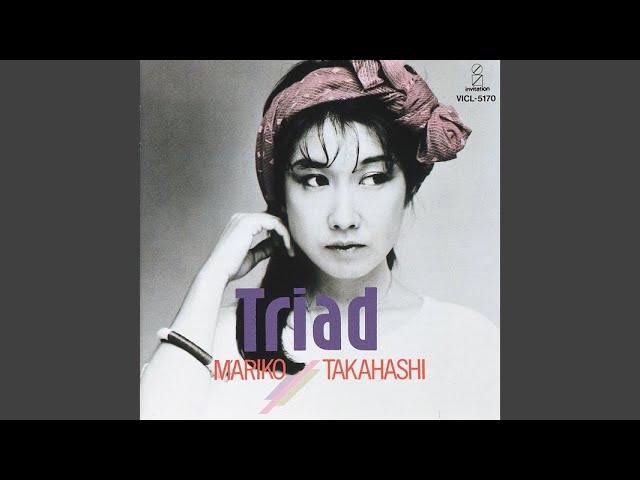
Mariko Takahashi’s classic “Momoiro Toiki.” It features a distinctly exotic melody and, while it carries elements of mood kayō (mood enka), it also incorporates contemporary J-pop characteristics.
The piece sits within a relatively narrow vocal range of mid1 G# to high C.
Since the most frequent pitch is around mid2 G#, most women should be able to sing it without difficulty.
As the song prioritizes mood, it’s recommended to sing with careful dynamics.
If a phrase ends with a consonant, letting it fade out as a voiceless sound can be an effective touch.

A Midsummer Night’s DreamMatsutōya Yumi88rank/position

Here is a song by Yumi Matsutoya, released in 1993, brimming with a Latin mood.
It became the theme song for the much-talked-about drama “Dare ni mo Ienai” (I Can’t Tell Anyone).
Perhaps thanks to the synergy between this striking track—which marked a slight departure from her usual style—and the drama’s success, it reached No.
1 on the Oricon Weekly Singles Chart for the first time in 17 years since “Ano Hi ni Kaeritai,” and became her first million-selling single.
Even now, with time having passed, it doesn’t feel like an oldie; it’s a song that still sounds fresh.

Sneaker BluesKondō Masahiko89rank/position

A classic song that strikingly combines poignancy and strength, depicting the breakup of lovers who raced through the season of youth.
With fond memories of time spent together in matching sneakers held close to their hearts, the pure emotions of young love overflow in a stirring melody and vocals that many listeners will find relatable.
Released in December 1980 as Masahiko Kondo’s debut single and used as the theme song for the film “Youth Graffiti: Sneaker Blues,” it debuted at No.
1 on the Oricon chart.
It’s a track that resonates even more deeply now with nostalgic memories as the years have passed.
Perfect for reliving past romances and getting fired up at karaoke with friends.
Love Story Comes SuddenlyOda Kazumasa90rank/position

Singer-songwriter Kazumasa Oda, who rose to popularity with his high-toned voice tinged with transience and his playful character, continues to be highly active today.
“Love Story wa Totsuzen ni,” written as the theme song for the quintessential trendy drama Tokyo Love Story, was originally included as the B-side to his sixth single, “Oh! Yeah!” Its airy, urban arrangement still feels timeless even now.
It’s a pop tune whose massive success makes perfect sense—the opening guitar alone brings back iconic scenes from the drama.
