

[For People in Their 40s] Karaoke Songs That Are Easy to Sing: 2026 Ranking

The key to choosing songs for karaoke is whether they’re easy for the singer to perform, right?
This time, we’ll introduce karaoke songs that have been popular and easy to sing among people in their 40s.
We hope you find it helpful!
It’s sure to get everyone excited.
- Easy-to-sing karaoke songs: Classic picks for women in their 40s
- Even if you’re tone-deaf, it’s okay! Easy karaoke songs for men in their 40s
- [40s] Karaoke Popularity Ranking by Generation [2026]
- [Women in Their 40s] Even If You’re Tone-Deaf, You Can Sing! Karaoke Songs That Fit a Woman’s Vocal Range
- [30s] Easy-to-Sing Karaoke Songs Ranking [2026]
- Karaoke Popularity Ranking by Generation [50s] [2026]
- [For People in Their 50s] Ranking of Easy-to-Sing Karaoke Songs [2026]
- [2026 Edition] Karaoke Songs That Will Get the Crowd Going—Perfect for Women in Their 40s
- [For Women in Their 40s] A Collection of Songs That Score High at Karaoke [2026]
- [For Men in Their 40s] A Collection of Songs That Score High at Karaoke [2026]
- [Calling all low-voiced women in their 40s!] Songs that are easy to sing at karaoke
- Women's Popular Karaoke Rankings [2026]
- Karaoke That Gets Everyone Excited: Women’s Rankings [2026]
[People in Their 40s] Easy-to-Sing Karaoke Songs Ranking [2026] (21–30)
SakurazakaFukuyama Masaharu29rank/position

This song features a gentle, nostalgic melody that resonates with the heart.
The lyrics, which sing of longing for lost love and memories, have struck a chord with many.
Released in April 2000, it was used as the theme song for the TBS variety show “Uunnan no Hontoko! Mirai Nikki V.” In its first week, it sold 751,000 copies, setting the all-time record for first-week single sales by a male solo artist.
Total sales reached 2,299,000 copies.
Masaharu Fukuyama’s steady vocals and the calm tone of the lyrics make it easy to sing even for those who aren’t confident singers.
Perform it at karaoke, and it’s sure to be warmly received by those around you.
Like tonight’s moonElefanto Kashimashi30rank/position
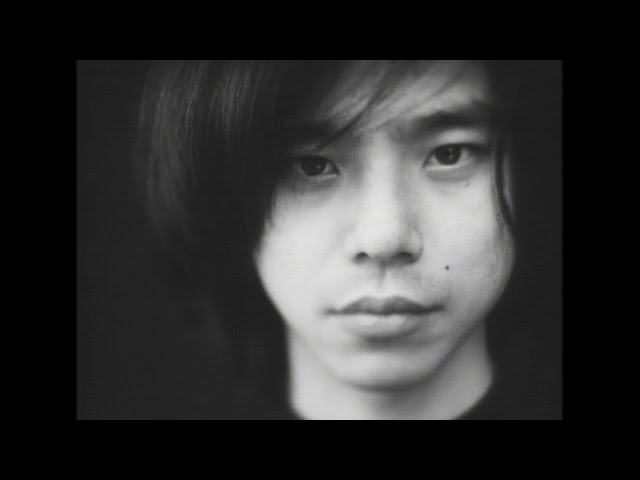
“Koyoi no Tsuki no Yō ni” is the 15th single by the rock band Elephant Kashimashi, led by Hiroji Miyamoto, who exudes a unique aura.
Chosen as the theme song for the Fuji TV drama “Tsuki no Kagayaku Yoru Dakara” starring Makiko Esumi, it became one of their signature hits, marking their first entry into the Oricon Top 10 for a single.
It’s a masterpiece with Miyamoto’s straightforward vocals that stir the heart.
The lyrics, which express the desire to shine someday like the moon, resonate especially with men in their 40s.
The melody has few dynamic shifts, making it easy to sing even for those who aren’t confident singers.

[For People in Their 40s] Ranking of Easy-to-Sing Karaoke Songs [2026] (31–40)
TRUE LOVEFujii Fumiya31rank/position

For those of you now in your 40s who spent your teenage years in the 1990s, you might associate Fumiya Fujii more with his work as a solo artist than with The Checkers.
Fujii is active in many fields beyond music, but his most famous song as a solo singer is TRUE LOVE, released in 1993 as his solo debut single.
It’s fascinating that there are many anecdotes surrounding the song’s creation—such as the fact that Fujii had no prior experience composing before writing it, and that the odd time signature in the intro came from a mistake he made while recording the demo, which was kept as is.
It’s a massive hit so iconic it appears in textbooks and remains a karaoke favorite, yet it’s based on classic chord progressions and features a straightforward melodic development, making it very easy to sing.
One point to note: in the first chorus he sings certain parts in falsetto, while in the second chorus he sings those parts in chest voice—so keep that in mind and deliver it with strength.

era; age; time; periodNakajima Miyuki32rank/position

This is a single by singer-songwriter Miyuki Nakajima.
The original version was released in December 1975, but the one I’m introducing today is the self-cover version released in December 1993.
The song has been used as the theme for many TV shows and in commercials, and it has been covered by numerous other artists, so many of you have probably heard it before.
As you’d expect from such a well-known piece, both the melody and the lyrics are highly memorable, and it feels like something you can enjoy singing along to casually.
Even in the gentler passages, try to sing with solid projection so that your voice retains its core.

I love you more than anyone.Furuchi Toko33rank/position

As you enter your 40s, you may find that your voice doesn’t come out the way it did when you were younger.
Because of that, you might only be able to sing songs that fit your current range.
Among those people, many probably want to sing music from their own generation.
For anyone like that, I recommend “Dare yori Suki na no ni” performed by Toko Furuuchi.
It’s a love song that was a big hit in the late 1990s.
The song has a relatively narrow vocal range, making it easier to sing even if your voice doesn’t project like it used to.
On top of that, it incorporates elements of Black music, letting you deliver it in a stylish way.
Be sure to check it out.

I won’t fall in love anymore.Makihara Noriyuki34rank/position
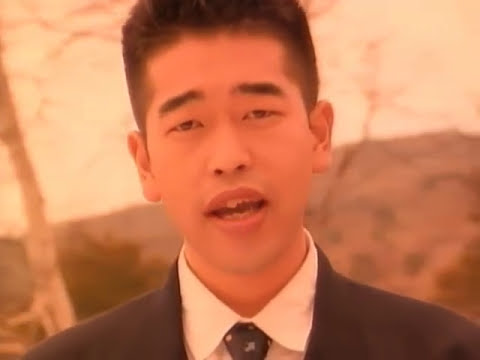
A signature work by Noriyuki Makihara, distinguished by its heartwarming melody that wraps both the ache of heartbreak and a brave facade.
It gently portrays memories of a former lover and the nostalgia of everyday life, and the protagonist’s resolve to move forward resonates with listeners.
Released in May 1992, it was chosen as the theme song for the NTV drama “After the Children Are Asleep.” Included on the album “Kimi wa Boku no Takaramono,” it became a major hit, ranking 7th on Oricon’s year-end chart.
This song supports those standing at a crossroads in life.
When you gather with friends for karaoke, its universally relatable lyrics and melody are sure to warm your heart.
Azure RabbitNoriko Sakai35rank/position
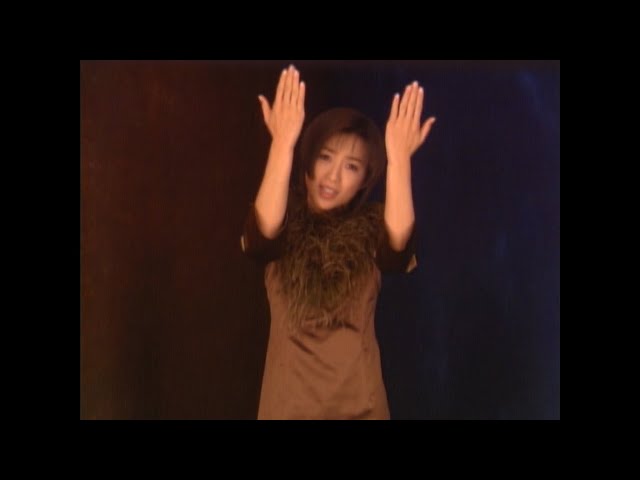
Noriko Sakai’s signature song “Aoi Usagi” (“Blue Rabbit”).
Although it’s classified as pop, the vocal lines are infused throughout with the essence of Showa-era kayōkyoku.
Because Noriko Sakai’s voice is so clear, people tend to assume it’s a high-pitched song, but the actual vocal range is quite narrow, so even women with lower voices can sing it without issue.
However, since many sections call for pronounced vibrato, be mindful of producing steady vibrato with solid support in the mid to lower-mid range.
Consider adding it to your repertoire.