

[40s] Popular Songs Ranking by Generation [2026]

Introducing the latest top 100 all at once, ranked by the number of views from people in their 40s, taken from this year’s age-group popularity charts!
By looking at the rankings, you’ll see what people in their 40s—who have accumulated a wealth of experiences, still have plenty of energy, and are often in the most fulfilling period of their lives—were listening to at the time.
The playlist is updated weekly.
- [2026 Edition] Youth Anthems for Your 40s! A Roundup of Popular Heart-Pounding × Heartwarming Songs
- [40s] Popular Japanese Music / J-POP Rankings [By Generation]
- [40s] Karaoke Popularity Ranking by Generation [2026]
- Popular Japanese songs among women in their 40s: recommended classics and standard hits
- Songs popular among men in their 40s. Timeless classics that bring back memories.
- [50s] Popular Song Ranking by Generation [2026]
- [40s] Karaoke Crowd-Pleasers Ranking [2026]
- [30s] Popular Songs Ranking by Generation [2026]
- [2026 Edition] Karaoke Songs That Will Get the Crowd Going—Perfect for Women in Their 40s
- Ranking of Popular Japanese Music and J-POP Artists Among People in Their 40s [2026]
- Ranking of Popular Nostalgic Songs and Classics [2026]
- Nostalgic Songs Perfect as Driving BGM for People in Their 40s
- Band Rankings Popular Among People in Their 40s [2026]
[40s] Popular Songs Ranking by Generation [2026] (71–80)
I won’t fall in love anymore.Makihara Noriyuki78rank/position
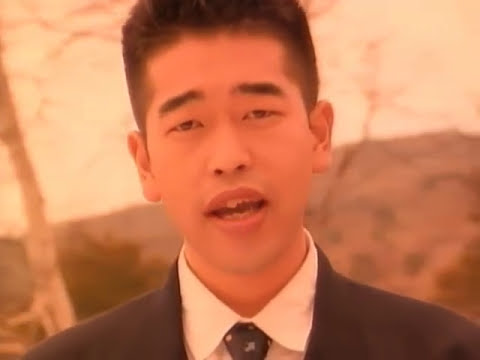
A heartwarming classic that paints the pain of heartbreak alongside everyday, unassuming scenes.
Crafted by Noriyuki Makihara, this song brims with the bittersweet feelings of trying to face forward little by little while sensing the remnants of days spent together.
Released as a single in May 1992, it was used as the theme song for the Nippon TV drama “After the Children Go to Sleep,” and became a major hit.
It was also included on the album “Kimi wa Boku no Takaramono,” released in June of the same year, and remains beloved by many listeners to this day.
It’s a song I highly recommend for those moments when you suddenly feel lonely in your room, or when you’re putting on a brave face as you try to move on from heartbreak.
Makihara’s gentle voice will softly envelop your wounded heart.
Snow BlossomNakajima Mika79rank/position

A poignant ballad about a winter romance themed around snow, its aching emotions resonate deeply.
Released in November 2003, it is one of Mika Nakashima’s signature songs, with lyrics by Satomi and composition by Ryoki Matsumoto.
Included on the million-selling album “LOVE,” it was also used in a Meiji Seika commercial.
The lyrics portray the joy of spending time with a lover amid snowy scenery, along with a premonition of a farewell that may come someday.
It’s perfect for a quiet winter night shared with someone special, and is also recommended for those looking to enhance the Christmas atmosphere.
On the hill where the moon is visible tonightB’z80rank/position

This is one of B’z’s signature ballads, painting the powerful desire to understand someone—and the aching blur that love can bring—against a night-sky backdrop.
Takahiro Matsumoto’s shaded, nuanced melody and Koshi Inaba’s sharp, incisive phrasing create a striking contrast.
Released in February 2000, the song remains enduringly popular.
It was chosen as the theme for TBS’s Sunday drama “Beautiful Life: Futari de Ita Hibi,” generating huge buzz and staying on the charts for 17 weeks.
An alternate version is also included on the album “ELEVEN,” released in December 2000.
It’s a heart-stirring number you’ll want to listen to on nights when you’re struggling with the distance between you and someone you cherish, gazing up at the sky.
[40s] Popular Songs Ranking by Generation [2026] (81–90)
This is my way of life.PUFFY81rank/position

This commercial shows two women stopping by McDonald’s after work to enjoy limited-time smoothies and frappés.
The way they sing happily is quite striking, isn’t it? The song playing in the ad is one of PUFFY’s signature tracks, “Kore ga Watashi no Ikiru Michi” (“That’s the Way I Live”).
The vocal range isn’t very demanding, and above all, the gentle melody flowing at a relaxed tempo makes it easy for just about anyone to sing.
It’s a song loved across generations, so it’s also a great pick to liven up karaoke sessions with a wide range of age groups.

LOVE PHANTOMB’z82rank/position

It was released in 1995 as B’z’s 18th single.
Serving as the lead single from their eighth album, LOOSE, it was chosen as the theme song for TV Asahi’s drama The X-Files (Season 1).
The song was a million-seller, and its lyrics are said to have been written with the image of an unusual protagonist’s love—such as Frankenstein or Dracula—in mind.
MUGO… so sexyKudō Shizuka83rank/position

This work, with its weighty arrangement and wistful melodic lines, has an irresistible charm that draws you in.
Shizuka Kudo delivers the protagonist’s delicate emotions—an inexpressible inner tremor and a quiet attempt to communicate through the eyes—with her distinctive husky voice and expressive singing, gripping the listener’s heart.
Released in August 1988 as Kudo’s fifth single, it was also used as the Kanebo Cosmetics “’88 Autumn Promotion Image Song.” The track reached No.
1 on the Oricon weekly chart and was performed at the 39th NHK Kōhaku Uta Gassen at the end of the same year.
For karaoke, try singing it with a restrained, inward passion and a subtle hint of allure to deepen the song’s world even further.
planetariumOtsuka Ai84rank/position

A treasured ballad by Ai Otsuka that weaves memories of love sparkling like a starry sky into gentle piano melodies.
With a clear, translucent voice, she conveys the aching emotions anyone who has experienced heartbreak can relate to.
Released in September 2005, it became a hot topic as the theme song for the drama “Koi no Karasawagi.” Also included on the album “LOVE COOK,” this work remains etched in many hearts as one of Ai Otsuka’s signature songs.
For karaoke, we recommend singing it at a relaxed pace while recalling memories of someone special.