

[40s] Popular Songs Ranking by Generation [2026]

Introducing the latest top 100 all at once, ranked by the number of views from people in their 40s, taken from this year’s age-group popularity charts!
By looking at the rankings, you’ll see what people in their 40s—who have accumulated a wealth of experiences, still have plenty of energy, and are often in the most fulfilling period of their lives—were listening to at the time.
The playlist is updated weekly.
- [2026 Edition] Youth Anthems for Your 40s! A Roundup of Popular Heart-Pounding × Heartwarming Songs
- [40s] Popular Japanese Music / J-POP Rankings [By Generation]
- [40s] Karaoke Popularity Ranking by Generation [2026]
- Popular Japanese songs among women in their 40s: recommended classics and standard hits
- Songs popular among men in their 40s. Timeless classics that bring back memories.
- [50s] Popular Song Ranking by Generation [2026]
- [40s] Karaoke Crowd-Pleasers Ranking [2026]
- [30s] Popular Songs Ranking by Generation [2026]
- [2026 Edition] Karaoke Songs That Will Get the Crowd Going—Perfect for Women in Their 40s
- Ranking of Popular Japanese Music and J-POP Artists Among People in Their 40s [2026]
- Ranking of Popular Nostalgic Songs and Classics [2026]
- Nostalgic Songs Perfect as Driving BGM for People in Their 40s
- Band Rankings Popular Among People in Their 40s [2026]
[40s] Popular Songs Ranking by Generation [2026] (41–50)
White kiteMy Little Lover50rank/position

Younger listeners probably felt that this My Little Lover track is quintessentially summery.
At the same time, those who spent their youth in the ’90s may have had the sensation of being suddenly pulled back into a summer of that decade.
Released as a single in December 1995, the song is a refreshingly breezy tune overflowing with summertime imagery.
Beyond akko’s crystalline vocals, its contemporaneous UK rock flavor leaves a strong impression.
In 2021, it was also featured in a commercial for Suntory’s chu-hi “Horoyoi Shiroi Sour,” drawing renewed attention as a perfect song for the summer vibe.
[40s] Popular Songs Ranking by Generation [2026] (51–60)
Watarase BridgeMoritaka Chisato51rank/position

This is Chisato Moritaka’s 17th single, released in January 1993.
Chosen as the theme song for a travel program on TV Tokyo, it became widely beloved, spending 15 consecutive weeks on the Oricon charts.
As the lyrics quietly reflect on a past love while gazing at the city at dusk, Moritaka’s clear, translucent voice blends beautifully with the song.
Later adopted as the departure melody at Ashikaga Station, the piece has continued to be cherished by the local community.
The simple timbre of the alto recorder leaves a warm afterglow in the heart.
It’s a classic that gently stays by your side on nights when you want to softly unwind taut emotions.
I should be able to fly (in the sky).supittsu52rank/position
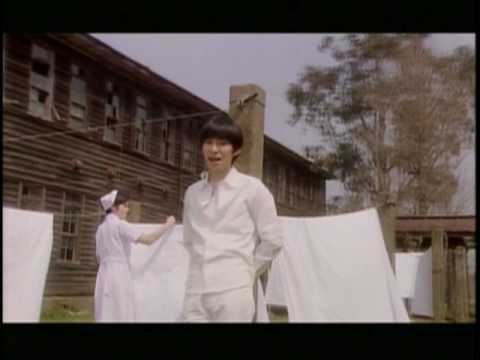
Originally written for a television drama, this is the eighth single by the four-piece rock band Spitz.
Released in April 1994, it initially saw modest chart performance, but when it was later chosen as the theme song for the 1996 Fuji TV drama “Hakusen Nagashi,” it returned to the spotlight and became a million seller.
The song delicately depicts the turbulence of adolescence, a sense of awe toward an unseen, greater presence, and the budding conviction of freedom that arises when there’s someone who accepts you—all carried by Masamune Kusano’s clear, translucent vocals and a gentle guitar ensemble.
Not only sweet feelings of love but also the harshness of reality and the ache of loneliness seep through, and yet the protagonist’s determination to look ahead makes your heart swell.
Beloved as a graduation song, it’s a track that brings back memories as spring arrives.
As the season of new beginnings approaches, why not listen to it quietly and let it wash over you?
One more time, One more chanceYamazaki Masayoshi53rank/position

When it comes to bittersweet love songs, many people probably think of Masayoshi Yamazaki’s voice.
This song, which portrays the feelings of searching endlessly for someone you can never forget while carrying a sense of loss and loneliness, is a classic whose acoustic guitar tones and husky vocals truly move the heart.
Released as a single in January 1997, it became a hit as the theme song for the film The Moon and a Cabbage, in which Yamazaki himself starred, and was also included on the album HOME.
It later returned to the spotlight in March 2007 as the theme song for the animated film 5 Centimeters per Second.
It’s a track I hope you’ll listen to quietly with your favorite drink when daily life starts to feel stifling and you want to gently loosen those taut strings.
White LoveSPEED54rank/position

This is the song used in the Shiseido Tissera Angel Drop commercial that aired in the late 1990s.
Members of SPEED also appeared in the ad, so many of you may remember it vividly.
Released in 1997, this track is one of their signature songs and was included on the following year’s album, RISE.
Set against a winter backdrop, the lyrics—vowing eternal love while feeling anxious that it might someday end—resonated deeply and moved many listeners.

TOMORROWMayo Okamoto55rank/position

With its uplifting lyrics and buoyant piano melody, this is a pep song that gives courage to listeners.
Singer-songwriter Mayo Okamoto’s debut single “TOMORROW,” released in May 1995, was chosen as the theme song for the TV drama “Second Chance” and became a massive hit, achieving Double Platinum status.
Its message—that strength lies beyond the tears—will surely give a powerful push to graduates embarking on a new world.
Beloved enough to be selected as the entrance march for the National High School Baseball Tournament in March 1996, this song is widely cherished.
Sing it with friends at a reunion, and your memories of youth are sure to come vividly rushing back.
That’s important.Daiji MAN Burazāzu Bando56rank/position

A passionate commercial features various teams—such as soccer and cheerleading—forming huddles.
Watching them speak about their goals and unite their voices lights a fire in our own hearts.
The song playing in the background of this wonderful footage is the classic cheer anthem “Sore ga Daiji,” which celebrates the importance of never giving up.
The original is a 1991 track by Daiji MAN Brothers Band, but this commercial uses a choral version.