

![Kobukuro’s Most Popular Karaoke Songs Ranking [2026]](https://i.ytimg.com/vi/Dsdxxrnz1AQ/sddefault.jpg)

Kobukuro is a musical duo that has continued to be supported by many people since their debut, thanks to their powerful vocals and unpretentious musical style.
This time, we’ve ranked some of their songs that are frequently sung at karaoke.
Feel free to use it as a reference when choosing songs for karaoke.
- Kobukuro’s Most Popular Songs Ranking [2026]
- Kobukuro’s Tearjerkers, Cry-Your-Eyes-Out Songs, and Popular Tracks Ranking [2026]
- Kobukuro’s classic and popular songs
- Kobukuro’s Uplifting Songs and Popular Tracks Ranking [2026]
- Kobukuro Cheer Songs and Popular Tracks Ranking [2026]
- Kobukuro Wedding Songs and Popular Hits Ranking [2026]
- Even karaoke beginners can relax! Easy-to-sing songs for men
- Kobukuro Commercial Song and Popular Songs Ranking [2026]
- [For People in Their 40s] Karaoke Songs That Are Easy to Sing: 2026 Ranking
- Kobukuro Love Songs: Popular Songs Ranking [2026]
- Kobukuro’s Moving Songs and Popular Hits Ranking [2026]
- Kobukuro Graduation Songs, Entrance Ceremony Songs, and Popular Songs Ranking [2026]
- [For Men] What Karaoke Songs Make It Easy to Score 100? A Curated List of Easy-to-Sing Tracks
Kobukuro Karaoke Popular Songs Ranking [2026] (1–10)
cherry blossomKobukuro1rank/position
A renowned ballad that evokes a tender, bittersweet feeling along with the gentle warmth of spring.
Released in November 2005 as Kobukuro’s 12th single, it became widely beloved as the theme song for the Fuji TV drama “Ns’ Aoi.” Cherished and performed since their indie days, this song also serves as an important opening number on the album “NAMELESS WORLD.” Its lyrics, which layer the subtleties of life onto falling flower petals, have been highly praised for their literary quality—so much so that they were included in a high school textbook—and the beautiful resonance of the Japanese language deeply touches the heart.
It is a springtime standard that continues to be loved, gently accompanying not only those embarking on a new chapter, but also anyone who wishes to pause and reflect on the past.
budKobukuro2rank/position
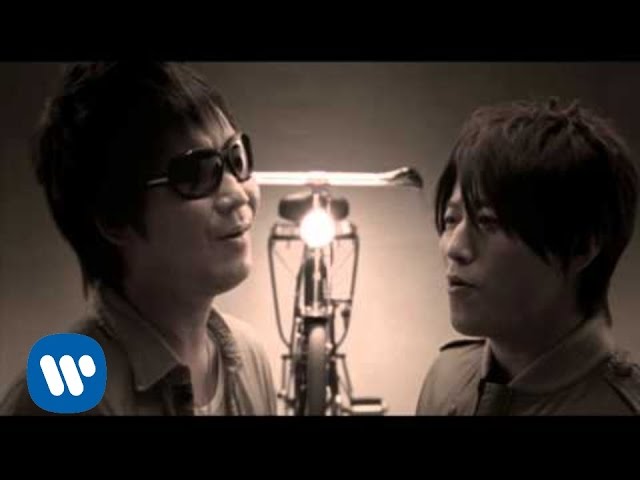
Kobukuro has many songs that move you with their vocal prowess and lyrical depth.
This work is their 14th single, released in March 2007, and it became widely loved as the theme song for the Fuji TV drama “Tokyo Tower: Mom and Me, and Sometimes Dad.” Written by Kobuchi with thoughts for his mother, who passed away when he was young, the song conveys the aching sense of loss after losing someone precious, while also powerfully urging you to keep looking forward and walking on.
Centered on acoustic guitar with a simple sound, the duo’s harmonies gently seep into the heart, and the emotional melody of the chorus surges to stir your feelings.
It is also known as one of the defining songs of 2007, having won the 49th Japan Record Award.
Spring is a season of meetings and farewells.
Not every song will put you in a cheerful mood—some people carry heavy feelings.
This is a moving number that quietly stays by your side in such times and makes you think, “Maybe I can keep trying a little longer.”
A flower that blooms only hereKobukuro3rank/position
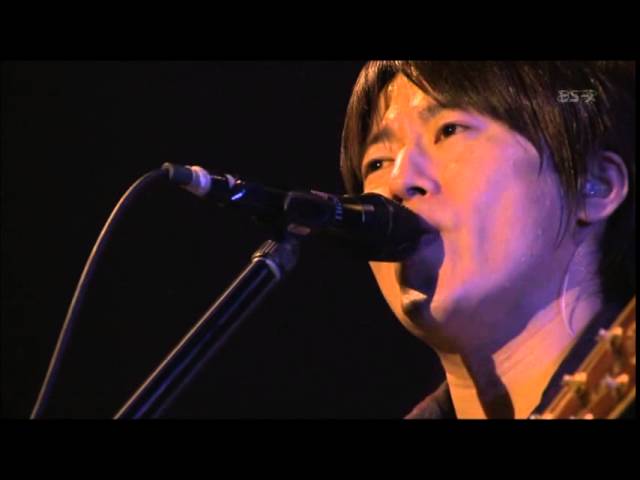
The exquisite ballad crafted by Kobukuro gently guides you to that precious place in your heart, no matter how far away you may be.
With the warmth of acoustic guitar tones and the duo’s soul-stirring harmonies, this work, released in May 2005, moved countless listeners as the theme song for the drama “Ruri no Shima.” Within its acoustic resonance, it tenderly sings of the dignity of being able to shine even in the middle of nowhere, and the importance of a place where the heart can be at ease.
When you feel anxious in a new environment, when you live apart from someone dear to you, or when you are searching for where you belong—this song will stay close to your heart and quietly give you the courage to face forward.
the red threadKobukuro4rank/position

Kobukuro is a duo that produced many classic songs in the mid-Heisei era.
When it came to ballad duos back then, Kobukuro was the go-to choice.
Among their works, Akai Ito is especially renowned as a deeply moving masterpiece.
The lyrics vividly evoke scenes, the plaintive A-melody, the gradually rising intensity in the B-melody, and the enveloping chorus—every section is captivating, and harmonies appear throughout.
The delicate harmonies that never interfere with Mr.
Kobuchi’s lead melody are superb, so if you want to master harmonizing, be sure to try singing it.

meteorKobukuro5rank/position

As a male duo that enjoys overwhelming popularity and a staple presence in the J-POP scene, Kobukuro are beloved by many.
Their songs are also karaoke favorites, with plenty of classic tracks that get sung often.
Among them, “Ryūsei” (Meteor) was selected as the theme song for the TV drama “Nagareboshi,” so many people who watched the show at the time will likely recognize it.
The beautiful melody of the chorus is especially striking, and if you sing this song earnestly, it’s sure to move the hearts of the women listening.

WINDING ROADAyaka × Kobukuro6rank/position

In the late 2000s to early 2010s, when it came to mixed-gender harmony songs, “WINDING ROAD” was the go-to classic.
This track is a collaboration between the pop duo Kobukuro—who enjoyed immense mainstream support at the time—and singer-songwriter Ayaka.
It’s an upbeat piece with a groove that feels somewhat Western-influenced.
That said, as a harmony song, it’s relatively easy, with clearly separated parts, so beginners in vocals should definitely give it a try.
O flowers now in full bloom,Kobukuro7rank/position

This is a song that was used as the theme for NHK’s Sochi Olympics in 2014.
Many of you are probably familiar with it.
Although it’s a song by Kobukuro, “Ima, Saki Hokoru Hanatachi yo” has a very clear vocal melody, making it easy to sing even solo.
As for how to feel the rhythm, taking it slowly and relaxed works well, but doubling the tempo also makes it easier to sing and is recommended.
The overall vocal range of the song is C3 to F#4, so most men should be able to sing it comfortably in chest voice.
Also, since it’s a ballad, creating contrast between the lower parts of the verses (A and B sections) and the lift in the chorus will enhance expressiveness and help boost your score.
Try to keep your facial muscles lifted so your pitch doesn’t drop while you sing!
