

Male-Popularity Artist Rankings [2026]

People say, “Songs change with the times, and the times change with songs,” but it works just as well if you replace “songs” with “artists,” doesn’t it?
Exactly!
Artists are mirrors of their era, and the spirit of the times gives birth to new artists.
Among the artists who are inextricably linked with the social climate, we’ve ranked those most popular with men.
- Band Rankings Popular with Men [2026]
- Recommended Japanese Music Artists and Popular Song Rankings for Men in Their 20s [2026]
- Ranking of Popular Japanese Songs and J-Pop Among Men [2026]
- Best Songs and Popular Tracks by Male Singer-Songwriters: 2026 Rankings
- [Men] Popular Karaoke Rankings [2026]
- Ranking of Japanese Bands Popular Among Men [2026]
- Ranking of Japanese Music/J-POP Artists Popular Among Teens [2026]
- Ranking of Beloved Hit Songs Among Women [2026]
- Japanese Pop (J-Pop) Rankings Popular Among Women [2026]
- Popular Karaoke: Artist Rankings [2026]
- Male Singer-Songwriters’ Anime Songs: Popular Tracks Ranking [2026]
- High School Students’ Favorite Bands Ranking [2026]
- 【2026】Recommended Enka by Male Singers with Captivating High Notes
Male Favorite Artists Ranking [2026] (21–30)
balladKetsumeishi21rank/position

This work by Ketsumeishi gently embraces listeners with a melody overflowing with songcraft, keeping the rapping to a minimum.
It’s their 24th single, released in January 2011, and it became widely familiar as the theme song for Nippon TV’s information program “Sukkiri!!”.
Sung over a quiet arrangement woven from piano and strings, the lyrics convey the pain of unrequited love and a yearning for a beloved that refuses to fade.
Even an adult man who usually keeps his emotions under wraps may find the long-suppressed ache welling up when he hears this song, perhaps even moved to tears.
It’s a touching adult love ballad that makes you want to listen alone, quietly, on a sleepless night.
HOWEVERGLAY22rank/position
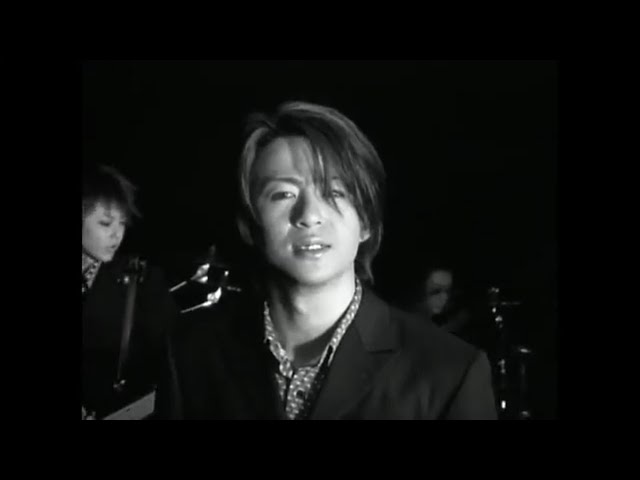
This classic song by GLAY is filled with feelings for a loved one.
Its poignant yet powerful vocals and heart-touching melody are truly captivating.
While lamenting that the meeting with their beloved came too late, the lyrics also express that precisely because of that lateness, they can cherish the happiness they have now—something many listeners can relate to.
Released in 1997 and later used as a TV drama’s ending theme, this piece has continued to be beloved as a staple in live performances.
If you sing it at karaoke when you want to convey your feelings to someone special, it will surely resonate with them.
Why not try singing it while imagining GLAY’s soul-stirring vocals?
Romantic Flightkome kome CLUB23rank/position

As the title suggests, it became a big hit as the CM song for JAL’s “Summer Palace Campaign,” and its bright, forward-looking lyrics and the thrill of setting off on a journey are emblematic.
The overall vocal range is B2 to G4, with the A melody sitting quite low.
The key modulates for the final chorus and the pitch rises, but it doesn’t go too high, so if you time your breath and placement well, those notes should come out smoothly.
Overall, avoid pushing your voice; aim for light singing with head resonance for a pleasant feel.
Also, for the syllables where the vowel is “i,” be careful not to spread the sound too horizontally.

Promise of SunflowersHata Motohiro24rank/position
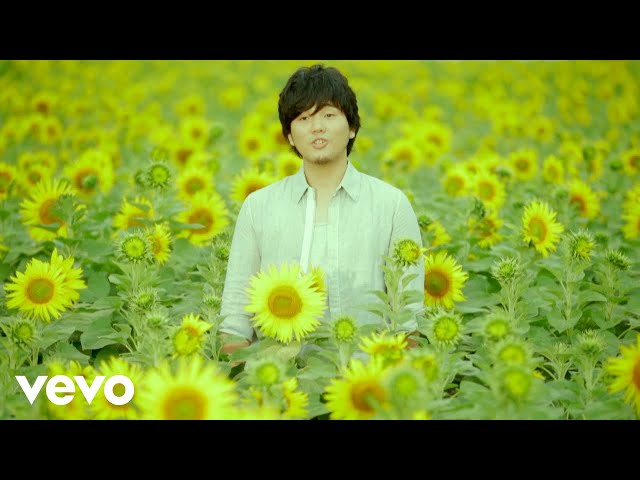
Himawari no Yakusoku, popular as a Doraemon movie theme song, gives the impression that a wide range of people sing it.
The overall vocal range is D#3 to A#4, so men should be able to handle it without strain if they sing calmly.
Since it’s a ballad, the melody line is simple and easy to remember, and the more carefully you sing, the more accurately you can hit the notes—making it a good choice for scoring systems.
There are many long tones, so if you focus on the pitch bar and sustain to the end, your score will go up.
For the chorus’s highest note, A#4, lift your facial muscles and aim to produce it easily without forcing or belting—think of delivering it lightly and gently.
silhouetteKANA-BOON25rank/position

It’s the opening theme from the anime “Naruto Shippuden,” hugely popular among teenage boys! It’s sure to get the crowd going at karaoke! When you sing it, focus on the key points: keep a solid sense of tempo, feel the occasional bouncy rhythms, and pay attention to the falsetto in the chorus.
With fast-tempo band songs, it’s easy to get excited and speed up as you sing.
Try not to sway your body too much—stay centered so you can maintain a steady rhythm.
For the bouncy rhythm, lightly use your knees to move up and down and you’ll nail the timing.
Make sure your falsetto resonates in your head voice! Overall, I recommend singing lightly with a bright, heady resonance.
March 9Remioromen26rank/position
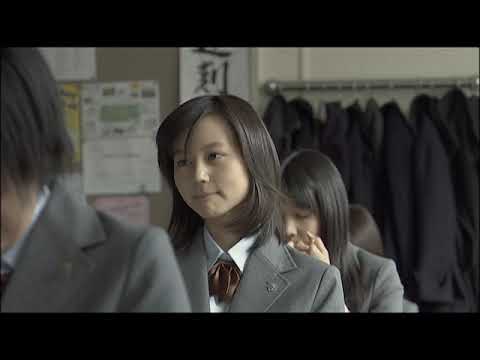
A classic that continues to be widely sung as a graduation and wedding song.
The overall vocal range is C3–G4, making it popular as an “easy-to-sing for men” track.
The tempo is relaxed, so you can take solid breaths and prepare while producing your voice comfortably.
Up to the chorus, the melody stays in the lower range, so trace the pitches carefully.
In the chorus the range rises, and if you’re not used to it, you might tense up.
Take a good breath on the beat before the chorus, then release it all at once!
together; along with; bothWANIMA27rank/position

It’s WANIMA’s second single and was used in Nivea Kao’s “8×4 Body Fresh” commercial.
The chorus really sticks in your head—even for me.
The overall vocal range is G#3 to D#5, which is on the higher side, and the tempo is an ultra-fast BPM 254, but if you lock into the band’s rhythm and sing along, your energy will definitely rise and it should actually make it easier to project your voice! If you let your guard down even for a moment, your pitch will drop into your throat and it’ll get harder to sing, so you need to keep your facial muscles lifted at all times.
For the rapid-fire section in the latter half, first run through the melody line and pronounce it lightly to get it under your belt!
SaudadePorunogurafiti28rank/position

The fourth single by Porno Graffitti, titled with the Portuguese word for “homesickness” or “longing.” Written from a woman’s perspective, the lyrics capture a premonition that her partner’s heart is drifting away, along with the aching inability to let go.
Released in September 2000 as their fourth single, it topped the Oricon weekly chart.
The song was featured as the theme for TBS’s mini-drama Wonderful, used in Otsuka Pharmaceutical’s Pocari Sweat commercials, and served as an ending theme for the UHF anime ReLIFE.
Incorporating Latin-style arrangements for the first time, this track became the foundation of the band’s signature sound.
A wistful number recommended for anyone grappling with the fear of a change of heart.
At all times.Makihara Noriyuki29rank/position

A signature work by Noriyuki Makihara that delivers a universal message of living true to yourself, carried by a powerful yet gentle melody.
While acknowledging the doubts and anxieties of life, this classic is imbued with a strong resolve to cherish your true self.
Included on the album “Who Do You Share a Happy Yawn With?”, it became a massive hit, surpassing one million copies within six months of its June 1991 release.
It was also selected as the entrance march for the 64th National High School Baseball Invitational Tournament in spring 1992.
The melody, featuring a distinctive acoustic guitar and a calm tempo, makes it easy to sing.
For many people, it’s a song that resonates in the heart when standing at a crossroads or when they feel on the verge of losing themselves.
cloudy skyDOES30rank/position

As the opening theme for the fifth season of the TV Tokyo anime Gintama, a lot of people probably think of Don’ten when they hear Gintama! DOES is a band whose lower registers resonate more than the high ones.
It’s a rock track popular with men for karaoke, where stable low notes and a raw expressive style are key to high scores! The song itself is short at about three minutes.
Even first-time listeners can pick up Don’ten easily, and it’s highly recommended for rock fans! The trick to low notes is to use your breath well and release your voice slowly straight ahead.
If you push your voice out, the low notes resonate more and you can hear your own singing better.
That, of course, makes it easier to stay on pitch.
It’s important to get your voice solidly into the mic when you sing.