

Male-Popularity Artist Rankings [2026]

People say, “Songs change with the times, and the times change with songs,” but it works just as well if you replace “songs” with “artists,” doesn’t it?
Exactly!
Artists are mirrors of their era, and the spirit of the times gives birth to new artists.
Among the artists who are inextricably linked with the social climate, we’ve ranked those most popular with men.
- Band Rankings Popular with Men [2026]
- Recommended Japanese Music Artists and Popular Song Rankings for Men in Their 20s [2026]
- Ranking of Popular Japanese Songs and J-Pop Among Men [2026]
- Best Songs and Popular Tracks by Male Singer-Songwriters: 2026 Rankings
- [Men] Popular Karaoke Rankings [2026]
- Ranking of Japanese Bands Popular Among Men [2026]
- Ranking of Japanese Music/J-POP Artists Popular Among Teens [2026]
- Ranking of Beloved Hit Songs Among Women [2026]
- Japanese Pop (J-Pop) Rankings Popular Among Women [2026]
- Popular Karaoke: Artist Rankings [2026]
- Male Singer-Songwriters’ Anime Songs: Popular Tracks Ranking [2026]
- High School Students’ Favorite Bands Ranking [2026]
- 【2026】Recommended Enka by Male Singers with Captivating High Notes
Most Popular Artists Among Men Rankings [2026] (51–60)
Lovers AgainEXILE51rank/position

A mid-tempo ballad overflowing with bittersweet emotion, layering feelings and lingering attachment to a former lover over wintry scenes.
Its striking chorus melody lingers in the ear, delicately portraying the man’s shifting emotions.
Released in January 2007 as EXILE’s 22nd single—a track that remains enduringly popular—this song demands vocal prowess in the mid-to-high range, including falsetto, making it a bit challenging to sing.
However, if you practice well and deliver it smoothly at karaoke, its emotional vocals may well draw women in.
It’s a must-try for anyone who wants to nail a cool, stylish performance.
White LoversKuwata Keisuke52rank/position

A heartwarming ballad that delicately paints winter scenes, transforming the bittersweet memory of a lost love into a feeling of blessing.
While looking back on a past romance, it carries a positive message about cherishing the love that was shared, resonating through Keisuke Kuwata’s warm, soulful vocals.
Released in October 2001 as his seventh single, this gem won the Gold Prize at the 43rd Japan Record Awards that same year.
Also featured in Coca-Cola’s “No Reason” campaign commercial, the song won the hearts of listeners across generations.
It’s the perfect soundtrack for spending unhurried time with someone special in a relaxed lounge, or for quietly gazing at a winter nightscape alone with a glass in hand.
YAH YAH YAHCHAGE and ASKA53rank/position

It is an aggressive track emblematic of the ’90s, infused with power and passion for the future.
Even when faced with difficult circumstances, its message of unwavering resolve to stay true to oneself and keep moving forward, along with hope for the future, continues to resonate across generations.
The song channels the passion of chasing dreams and an unyielding stance in the face of trials through a powerful rock sound.
Released by CHAGE and ASKA in March 1993, it was used as the theme song for the drama “If You Turn Around, He’s There,” topped the Oricon Weekly Chart for two consecutive weeks, sold 2.419 million copies, and ranked first on the annual singles chart.
It’s highly recommended for those who want to challenge themselves in pursuit of their dreams without fear of failure, or for anyone standing at a major crossroads in life.
It’s sure to give you courage.
Sugar Song and Bitter StepUNISON SQUARE GARDEN54rank/position

I think there are many men in their 30s who like anime songs.
For such anime song fans in their 30s, UNISON SQUARE GARDEN is probably one of the most popular bands.
Among their tracks, the one I especially recommend is “Sugar Song and Bitter Step.” Its appeal lies in the seamless succession of high-pitched phrases that feel light yet deliver an exceptional sense of liberation.
If you watched Blood Blockade Battlefront as it aired, be sure to try singing it.

I LOVE YOUOzaki Yutaka55rank/position

Released in 1983, this is Yutaka Ozaki’s signature love ballad—so famous that almost everyone knows it.
I’ve taught “I LOVE YOU” in lessons several times, and I feel it’s a tough song for people who struggle with falsetto; many students actually used this song to practice it.
You shouldn’t need to change the key—the original should be comfortable to sing.
Since some people aren’t confident with falsetto, let’s review the key points.
If you’ve mostly been singing in chest voice, you’re probably used to pushing with just your voice without using much breath.
To use your breath properly, humming is important.
Do a nasal hum to create nasal resonance so the sound vibrates in your nose.
Be careful not to force it with your throat.
After a light hum, keep the resonance in the same place and let your singing voice become thinner and lighter.

I want to take only you away just like this.DEEN56rank/position
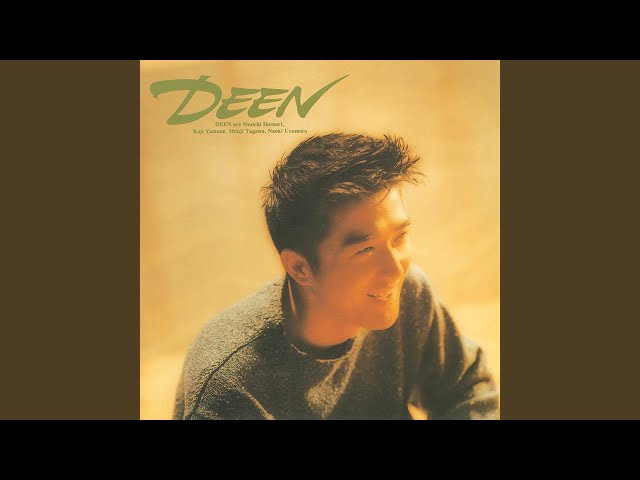
Released in March 1993 as DEEN’s debut single, this masterpiece has long been cherished as one of their signature songs.
Its poignant melody and lyrics that portray a deep longing for someone drifting away strike right at the heart.
Written by Sho Uesugi and composed by Tetsuro Oda, it was also used in an NTT DoCoMo “Pocket Bell” commercial and went on to become a million seller at the time.
The sweet, clear vocals gently cradle the pain of heartbreak, making it a song many find themselves wanting to listen to in quiet moments.
It’s also a karaoke staple, a classic ballad perfect for singing with poise while reminiscing about those days.
It’s included on the album “DEEN,” so be sure to enjoy it with a sense of nostalgia!
Linda LindaTHE BLUE HEARTS57rank/position

One of The Blue Hearts’ signature songs, and the kind you can just scream and have fun with—whether live or at karaoke! For the quiet intro, sing carefully and with feeling, then for the chorus don’t worry about pitch—just belt it out and it’ll always get everyone hyped! Momentum is important, of course, but if you just shout recklessly you’ll hurt your throat, so focus on engaging your vocal cords and resonating in your chest.
Even just placing a hand on your chest while you sing helps you feel the resonance and hear your own voice better! You might get caught up in the intensity, but don’t forget to breathe—and enjoy singing!
Like tonight’s moonElefanto Kashimashi58rank/position
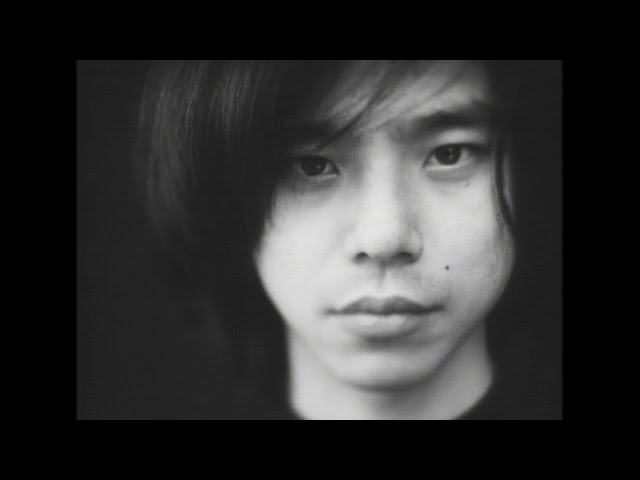
It’s a deeply moving masterpiece that powerfully sings of passion for the future while gazing into everyday feelings of emptiness and loneliness.
Set against the backdrop of a city at dusk, it portrays the solitude and struggles of people living in an urban landscape, yet conveys a strong will to keep looking forward and moving on.
The soulful vocals unique to Elephant Kashimashi and the melody that resonates with the heart are beautifully in harmony.
Released in July 1997, the song was used as the theme for the Fuji TV drama “Because the Moon Shines at Night,” and was also included on the album “Run Toward Tomorrow – Moonlit Songs.” In 2017, it was performed in the band’s first appearance on the NHK Kōhaku Uta Gassen, winning over even more listeners.
It’s a track that will evoke deep empathy when you feel lost in life or spend a night thinking of someone dear.
Close your eyesHirai Ken59rank/position

A ballad that portrays the sorrow of losing a loved one and the aching yearning to keep chasing their memory.
Ken Hirai’s emotional vocals gently accompany hearts spending lonely nights.
Released in April 2004 as his 20th single, it was written as the theme song for the film “Crying Out Love, in the Center of the World.” With total shipments exceeding one million copies, it became a social phenomenon, topping the annual charts that year.
It will especially resonate with those who, in unguarded moments, recall a past love and feel their chest tighten.
A gem of a track, perfect for adult men who want to listen alone while quietly having a drink.
A melody instead of a bouquetShimizu Shota60rank/position

Shota Shimizu’s signature song, “Hanataba no Kawari ni Melody o.” It’s a love ballad released on October 28, 2015, and served as the theme song for NHK’s Drama 10 “Designer Baby.” It’s hugely popular at karaoke; expressive emotion and delicate pitch control are the keys to a high score! The tempo is relaxed, so you have plenty of breath and can sing each phrase carefully, but if you pour in too much emotion, your pitch can actually waver.
So start by prioritizing accurate pitch and rhythm.
The vocal range is D#3 to C#5, which is a bit high for male singers.
How well you use falsetto and how you place the high notes in a comfortable spot will greatly affect how easy it feels to sing.
Some of my students strained by pushing chest voice too much on the high notes.
Make good use of falsetto!