

![Male-Popularity Artist Rankings [2026]](https://i.ytimg.com/vi_webp/meZPD28Y7xE/maxresdefault.webp)

People say, “Songs change with the times, and the times change with songs,” but it works just as well if you replace “songs” with “artists,” doesn’t it?
Exactly!
Artists are mirrors of their era, and the spirit of the times gives birth to new artists.
Among the artists who are inextricably linked with the social climate, we’ve ranked those most popular with men.
- Band Rankings Popular with Men [2026]
- Recommended Japanese Music Artists and Popular Song Rankings for Men in Their 20s [2026]
- Ranking of Popular Japanese Songs and J-Pop Among Men [2026]
- Best Songs and Popular Tracks by Male Singer-Songwriters: 2026 Rankings
- [Men] Popular Karaoke Rankings [2026]
- Ranking of Japanese Bands Popular Among Men [2026]
- Ranking of Japanese Music/J-POP Artists Popular Among Teens [2026]
- Ranking of Beloved Hit Songs Among Women [2026]
- Japanese Pop (J-Pop) Rankings Popular Among Women [2026]
- Popular Karaoke: Artist Rankings [2026]
- Male Singer-Songwriters’ Anime Songs: Popular Tracks Ranking [2026]
- High School Students’ Favorite Bands Ranking [2026]
- 【2026】Recommended Enka by Male Singers with Captivating High Notes
Most Popular Artists Among Men [2026] (1–10)
bouquetback number1rank/position

This is back number’s second single, released in June 2011.
The lyrics, which vividly portray the bittersweet and heartrending emotions of love, leave a strong impression.
Lines like “I’ll apologize as many times as it takes, and I’ll never forget to say thank you” convey a powerful determination to overcome any hardship.
The song was selected as the ending theme for the TBS music program COUNT DOWN TV, and a short film produced based on the track and released on YouTube also drew attention.
It’s a perfect song to perform at a dear friend’s wedding as a heartfelt blessing to the bride and groom.
Why not share hope for their future with your warm voice?
PretenderOfisharu Higedan Dism2rank/position

An unbridgeable distance and the reality that you can’t make the other person happy yourself.
This song, a signature track by Official HIGE DANDism, vividly portrays that heartrending struggle.
Written as the theme song for the 2019 film “The Confidence Man JP,” it pairs a pop melody with lyrics that cut deep into the heart.
Satoshi Fujwara’s emotional vocals painfully convey a sense of powerlessness against fate, along with a pure love that persists nonetheless.
Swallowing the words “I love you,” he simply engraves the other’s beauty in his heart and walks away…
That mature exit brings tears to your eyes.
If your chest aches from an unrequited love, immerse yourself in this world.
Eine KleineYonezu Kenshi3rank/position

I get the impression that Kenshi Yonezu has quite a few low-range songs, so I think many of his tracks are easy for low-voiced men to sing.
The range of “Eine Kleine” is C#3–G#4.
Because the verses (A and B sections) sit very low, you might find the chorus high notes a bit tough, but it’s fine to sing them using a head-voice-based tone without forcing your chest voice.
To keep the sound from getting too thin, you can slightly strengthen the head voice or add a bit of rasp—both can enhance the vibe.
If I were a man, I’d definitely include Kenshi Yonezu’s songs in my repertoire.
Give them a try, everyone!

365 daysMr.Children4rank/position

A masterpiece ballad that demands delicate emotional expression and advanced vocal technique, “365 Nichi.” It’s a song where expressiveness, pitch, and falsetto control are crucial.
Many Mr.Children songs have intricately moving melodic lines, and “365 Nichi” is a prime example.
Although it was released in 2010, it was used in the NTT East/West commercials, so many people will find it familiar.
From the A verse to the B verse, the melody is gentle, making it possible to sing each phrase carefully.
From the chorus onward, the melody moves in finer steps, so you need to be very mindful of pitch.
Maintain your breath with diaphragmatic breathing and sing with a clear tone, imagining you’re using your breath efficiently without waste.
KusushikiMrs. GREEN APPLE5rank/position

We’re pleased to introduce a new track by Mrs.
GREEN APPLE, written as the opening theme for the second cour of Season 2 of the anime The Apothecary Diaries.
Its title derives from the archaic word kusushi—the origin of the modern word for “medicine”—and a mysterious, uncanny atmosphere runs throughout.
The lyrics are striking, deftly capturing the power of words and the complexity of human relationships, likening feelings of love and apology to the moon and the sun.
It’s an ambitious piece that fuses band sound with oriental elements, and its whirlwind progression keeps listeners engaged.
Released as a digital single in April 2025, it’s also drawing attention as a song marking the band’s 10th anniversary year.
Perfectly matched to the series’ enigmatic imperial-harem setting, it’s recommended for those who enjoy Japanese aesthetics or crave dramatic musical developments.
Bunny GirlAKASAKI6rank/position

AKASAKI’s hit song “Bunny Girl,” which went viral nationwide.
The vocal range in this track is from mid1 C to mid2 G, which is quite narrow for recent Japanese pop.
There’s a key change in the final chorus, but even so, the overall pitch movement is minimal, making it exceptionally easy to sing.
The vocal line also has gentle rises and falls, so it’s recommended for people who want to get the crowd going even if they’re not very confident in their singing.
If you want to sound more polished, try incorporating overtone techniques to add richness to the low–mid range.

me me sheRADWIMPS7rank/position

Let me introduce a classic ballad that sings of a man’s aching heart, still thinking of his former lover even after the breakup.
Created by RADWIMPS, one of Japan’s leading popular bands, this track is included on their landmark album “RADWIMPS 4: Okazu no Gohan,” released in December 2006.
Despite never being released as a single, it has long enjoyed overwhelming support among fans.
The lyrics vividly depict the lingering attachment to a love that has ended, as well as the ego that, while wishing for the other’s happiness, can’t help but prioritize oneself.
The world of Yojiro Noda’s honest and complex emotional landscape—so distinctly his—will pierce the hearts of adults who usually put on a brave face.
On nights when you carry a weakness you can tell no one about, why not listen to this song alone in silence and let yourself cry your heart out?
broad daylightKing Gnu8rank/position

King Gnu’s signature song, “Hakujitsu.” If you like singing, you’ve probably tried it at least once.
How did it go when you actually sang it? The more you attempt it, the more you realize just how incredibly difficult it is! “Hakujitsu” is a powerhouse ballad that demands delicate emotion and overwhelming vocal ability.
It’s a challenge piece for advanced singers at karaoke, training your range, rhythm, and expressiveness all at once.
I’ve sung it a few times myself and was shocked—“Was it always this hard?” Since King Gnu’s vocals are split between two singers, it’s pretty tough to pull off solo.
Still, you’ll want to master Iguchi’s falsetto parts.
Be very mindful of diaphragmatic breathing! Once you can produce a solid falsetto, the pitches themselves aren’t that hard, so the key is to exhale steadily and generously with a thin stream of air.
Goodbye ElegySuda Masaki9rank/position
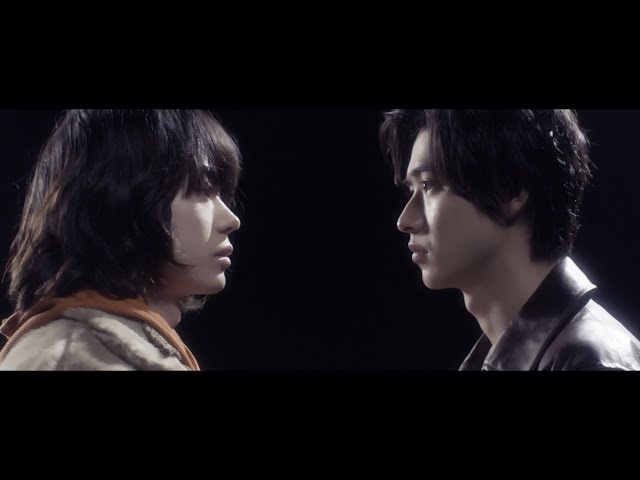
This is the third single by Masaki Suda, who is active not only as an actor but also as a singer.
Released in February 2018, it was chosen as the theme song for the Nippon TV drama “Kiss That Kills” starring Kento Yamazaki.
With a relatively narrow vocal range and a simple, easy-to-remember melody line, it’s a song that’s easy to sing at karaoke.
Its catchy sense of speed and memorable chorus are packed with elements that will get everyone hyped.
It’s a popular track known across generations, so it’s a safe bet even for group hangouts.
cherrysupittsu10rank/position

When it comes to Spitz, many people probably think of “Cherry.” In fact, it’s a classic that became a million-selling hit despite having no tie-in.
In karaoke, it’s a popular choice for both men and women because it’s relatively easy to score high.
The key is to sing through to the end without straining.
There are many sustained notes, but try not to use much vibrato—focus on matching the pitch bar.
The chorus suddenly jumps to higher notes, so take solid breaths and aim to resonate in your head voice to sing more easily.
The most important moments are the melody transitions; keep your facial muscles and eyebrows lifted and sing to switch smoothly.