

Top Japanese Pop Karaoke Rankings for Men [2026]

We’re excited to present the latest Top 100 karaoke rankings for male-oriented Japanese songs, all in one place, ordered by most views!
If you’re curious about what everyone’s singing at karaoke, this is for you.
If you want to expand your repertoire, be sure to use this as a reference.
The playlist is updated weekly, too!
- [Men] Popular Karaoke Rankings [2026]
- [2026] Recommended Japanese karaoke songs for men in their 50s
- [Men] Karaoke Crowd-Pleasers Ranking [2026]
- Karaoke Hype Songs Ranking [2026]
- Ranking of Popular Japanese Songs and J-Pop Among Men [2026]
- Most Popular Songs Among Men Ranking [2026]
- Karaoke Crowd-Pleasers: Top Male Rankings [2026]
- Popular Karaoke: Artist Rankings [2026]
- Karaoke songs for men in their 40s: a curated selection of hit tracks women want to hear!
- [2026] Perfect for teen boys: Songs that tend to score high at karaoke
- [Men] Ranking of Easy-to-Sing Karaoke Songs [2026]
- Popular Japanese karaoke songs. Latest rankings [2026]
- Ranking of Male J-Pop Singers’ Best-Lyric and Most Popular Songs [2026]
[Men] Popular Japanese Songs Karaoke Ranking [2026] (21–30)
I want to hug you.Mr.Children22rank/position

It’s an eternal love song written and composed by vocalist Kazutoshi Sakurai.
It first appeared on the album “Kind of Love.” Although total sales were about 60,000 copies, it later received Gold Disc certification and continues to be loved across generations.
The overall vocal range spans D3 to A#4, expanding and building toward the latter half.
When singing, project your voice confidently without hesitation to maintain stability throughout.
Since head voice appears at the end of the chorus, keep resonance in your head so you can transition smoothly from chest voice to falsetto.
Also, the final chorus modulates upward.
Raise your energy and stay mindful so your pitch doesn’t drop!

March 9Remioromen23rank/position
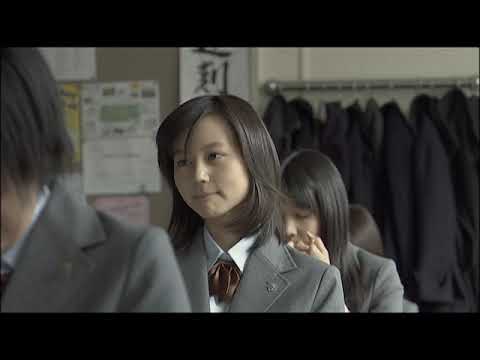
A smash hit crafted by Remioromen, whose lyrical melody and straightforward band sound resonate with the heart.
Released as a single in March 2004, it gained major attention when it was used as an insert song in the TV drama “1 Litre of Tears.” Although it was originally created for a mutual friend’s wedding, the song carries a universal message of cherishing others, the joy of envisioning a future with someone dear, and the passing of the seasons.
Today, it’s widely loved as a classic tune for celebrating new beginnings.
Its warm, ballad-like melody is perfect for singing with heartfelt emotion.
At farewell and welcome parties, wedding after-parties, or any moment when you want to support someone setting off on a new journey, sing it sincerely from the heart.
SakurazakaFukuyama Masaharu24rank/position

The 15th single, released in 2000, is a song that was used as the theme for the “Mirai Nikki V” segment of the variety show “U-nan no Hontoko!”.
Born from Masaharu Fukuyama’s own experience of heartbreak, the piece portrays lingering feelings for a former lover while still wishing for their happiness.
The lyrics, which intertwine the season of cherry blossoms with parting, resonate even more deeply when heard during spring, a time of new beginnings.
Achieving a record-breaking 2,299,000 in cumulative sales, this song stands as one of the Heisei era’s quintessential “sakura” songs—one that anyone who has experienced a breakup can relate to.
waxing; filling up; becoming full; growing (e.g., the moon growing fuller)Fuji Kaze25rank/position

This work, whose quiet, introspective piano tones envelop the heart, is a ballad by singer-songwriter Fujii Kaze.
Released for streaming in March 2024, it was written as the theme song for the film “When April Comes, She Will,” which opened the same month.
While it deals with profound themes such as parting and loss, it carries a warmth that feels like quietly embracing sorrow and becoming gently fulfilled.
The smooth shifts in the vocals—from the lower register to a beautiful falsetto—are striking.
The arrangement, which cherishes a sense of spaciousness, is soothing and seems perfect for moments when you want to step away from the busyness of everyday life and calm your mind.
For men who want to sing it earnestly and with emotion at karaoke, why not give it a try?
Same BlueOfisharu Higedan Dism26rank/position

A heartwarming song that captures the bittersweetness and purity of those in the midst of their youth.
As the opening theme for the TV anime “Blue Box,” it portrays the shining days of youth and club activities, thoughtfully expressing the protagonist’s feelings as they strive to move forward while carrying their “immaturity.” Featured on Official HIGE DANDism’s 2024 album “Rejoice,” this piece beautifully harmonizes the anime’s worldview with the band’s musicality, vividly conveying feelings of love, admiration, and hope for growth—perfect for anyone who cherishes pure emotions.
How about singing it with a refreshing touch at karaoke?
Like tonight’s moonElefanto Kashimashi27rank/position
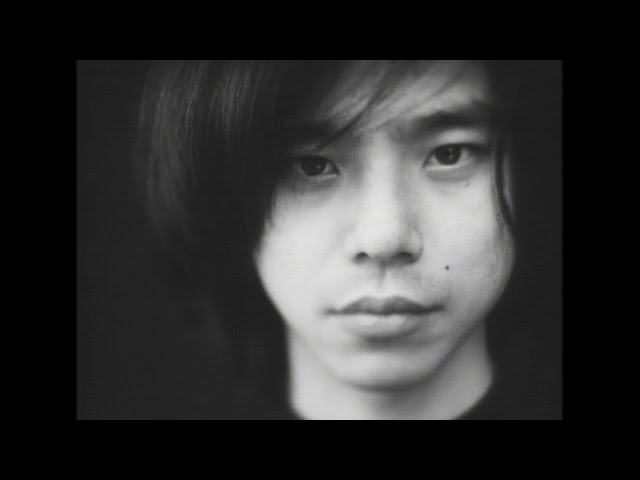
Elephant Kashimashi is a band that has been loved for many years.
Lately, Hiroji Miyamoto has been collaborating solo with various artists, so I imagine even younger people know of them.
Among Elephant Kashimashi’s songs, the one I especially recommend is Koyoi no Tsuki no Yō ni.
It’s a powerful track, with a lowest note of mid1 D and a highest note of hi A.
The range is somewhat wide, but aside from the B melody there aren’t any particularly high notes, so if you can get through that part, you could even aim for a perfect score.
That said, if you’re going to sing an Elephant Kashimashi song, you naturally want to capture that distinct Elekashi feel, right? I’m that type of person too, so I completely understand.
If you want to lean into their style, try locking the pitch precisely on the very first sound of each phrase.
It’ll instantly bring out that Elekashi vibe!

LemonYonezu Kenshi28rank/position

Kenshi Yonezu has produced countless masterpieces, but among them, the song that especially captured the public’s attention is surely “Lemon,” isn’t it? I’m from the Heisei generation, and I feel that around the time this track was released, the overall sound began shifting toward a Reiwa-like style.
Etching its name into the history of J‑pop, this hit features many singable, catchy phrases.
The falsetto in the chorus might feel challenging, but I recommend deliberately lowering the key and singing it in chest voice there.
It may feel a bit lacking, but if you’re aiming for a perfect score, give it a try at least once.