

Popular Okinawan Songs: Artist Rankings [2026]

A ranking of popular Okinawan songs and Okinawan artists.
Songs that embody the spirit of Okinawa—featuring the Okinawan scale or highlighting the sound of the sanshin with a tropical atmosphere—as well as hit tracks by popular artists from Okinawa, have made the list.
- Popular Okinawan Songs Ranking [2026]
- Ranking of Popular Nostalgic Songs and Classics [2026]
- Bands, artists, and singers from Okinawa Prefecture
- Popular Karaoke: Artist Rankings [2026]
- Ranking of Beloved Hit Songs Among Women [2026]
- A classic song in the Okinawan dialect, Uchinaaguchi
- From J-pop to folk songs! Popular and classic Okinawan tunes
- [Ones to Watch in 2026!] Recommended Female Singers & Recent Female Artists
- Popular Moving Songs Ranking [2026]
- [Teens] Popular Songs Ranking by Generation [2026]
- Band Rankings Popular Among People in Their 40s [2026]
- Kousetsu Minami Popular Song Rankings [2026]
- Recent songs sung by male vocalists in Japanese music [2026]
Popular Okinawan Songs: Artist Rankings [2026] (81–90)
Hana nu Chura ShimaTokeiji Tsutomu85rank/position

A song that warmly celebrates Okinawa’s beautiful nature and culture, resonating with the comforting tones of the sanshin and an upbeat rhythm.
It is a signature work by Tsutomu Tokeshi that superbly fuses traditional Okinawan music with pop, and it is included on the album “Okinawa no Kaze,” released in June 2005.
The track was also chosen as the official campaign song of the Okinawa Convention & Visitors Bureau and has been used in local TV commercials and radio programs, making it highly well-known in Okinawa.
Its gentle mood and powerful beat further illuminate the image of children dancing together in unison.
Futami Love StoryTeruya Chōbin86rank/position
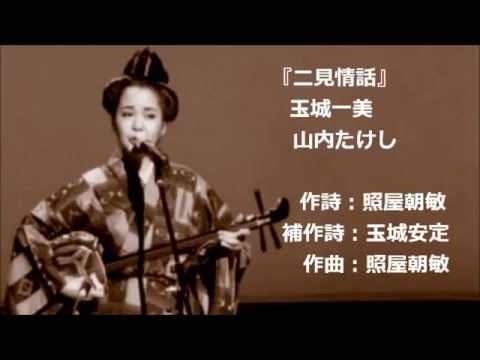
The sorrowful melody tightens my chest.
This song was composed by Mr.
Chobin Teruya while he had evacuated to northern Okinawa during the war.
It is said to be a song for the people of a community called Futami, who accepted him.
Don’t the lyrics remind us of what truly matters?

Annual Events KudokiTeruya Rinsuke87rank/position

This is a pop-style song that sings about Okinawa’s many annual events.
Each event has its own meaning and has been carefully preserved, but young people have trouble remembering them.
It’s a song that lets you enjoyably learn about Okinawa’s traditional events and their meanings to a rhythmic tune.
Nineteen SpringsTabata Yoshio88rank/position

It’s an Okinawan folk song that was also used in the 1999 film “Nabbie’s Love.” The song captures the essence of youth, expressing a tender, youthful crush.
There’s also a cover version by Yoshimi Tendo; hearing it with an enka singing style feels refreshing, and it’s a truly wonderful song.
Hiyamikachi-bushiNoborikawa Seijin89rank/position

“Hiyamikachi” means something like “Alright, let’s fire ourselves up!” It’s a song filled with the desire to rally Okinawa and its people, who were devastated by the Battle of Okinawa.
Today it’s known as a leading example of fast-picked Okinawan folk songs, but it originally had a slow tempo.
During the folk music boom, it seems to have gotten faster and faster.
It’s fun to sing and fun to listen to, making it one of the songs that many beginners on the sanshin aspire to play.
Yui-YuiChimei Sadao90rank/position

An Okinawan folk song that was broadcast and became a hit on the children’s program “Open! Ponkikki.” The repeatedly appearing phrases are so catchy you can’t help but hum along.
The cheerful atmosphere comes through in the singing.
It’s an Okinawan song we’d love for little children to hear.
Popular Okinawan Songs: Artist Rankings [2026] (91–100)
Seibumon-bushiChimei Sadao & Miyazato Yasuko91rank/position

Seibumon refers to the entrance to the Tsuji district, where a red-light quarter once existed.
In the Tsuji area, prostitution and social gatherings took place, and at that time human trafficking also occurred, with children from poor rural areas being sold there.
These girls were called “juri,” and they trained in the performing arts of song and sanshin, developing new songs and advancing their sanshin techniques.
The song Seibumun-bushi is about a Shuri official and a courtesan.