

Popular Okinawan Songs: Artist Rankings [2026]

A ranking of popular Okinawan songs and Okinawan artists.
Songs that embody the spirit of Okinawa—featuring the Okinawan scale or highlighting the sound of the sanshin with a tropical atmosphere—as well as hit tracks by popular artists from Okinawa, have made the list.
- Popular Okinawan Songs Ranking [2026]
- Ranking of Popular Nostalgic Songs and Classics [2026]
- Bands, artists, and singers from Okinawa Prefecture
- Popular Karaoke: Artist Rankings [2026]
- Ranking of Beloved Hit Songs Among Women [2026]
- A classic song in the Okinawan dialect, Uchinaaguchi
- From J-pop to folk songs! Popular and classic Okinawan tunes
- Ones to Watch in 2026! Recent Japanese Female Singers: Recommended Artists Roundup
- Popular Moving Songs Ranking [2026]
- [Teens] Popular Songs Ranking by Generation [2026]
- Band Rankings Popular Among People in Their 40s [2026]
- Kousetsu Minami Popular Song Rankings [2026]
- Recent songs sung by male vocalists in Japanese music [2026]
Popular Okinawan Songs. Artist Ranking [2026] (41–50)
WOO-TOO-TOO-WALTZ43rank/position

This is a song that comically celebrates the Okinawan people’s reverence for their ancestors.
The music created by the leader, Rolly, gradually gained strong, widespread support.
Their American pop and hard rock, which set Uchinaaguchi lyrics to R&B rhythms, are expanding their following in the city of Koza, where the old atmosphere still lingers.
It’s okayji ma ma44rank/position

This song by jimama, a singer-songwriter from Okinawa, features beautiful piano and orchestral accompaniment.
Her gentle voice offers quiet encouragement when you’re feeling down or going through tough times.
The message, written with the expansive, embracing spirit characteristic of artists from Okinawa, carries compassion that resonates with people across the country, whether they are from Okinawa or not.

Mimura Danceari ari musume45rank/position

It is said to be a song that sings about the three villages of Oroku, Tomigusuku, and Kakinohana.
It lists the place names and weaves in stories about local specialties unique to those areas.
Later, it was also performed under new names for three villages—Kamidomari, Tomari, and Moto-no-Tomari.
It is used as the departure melody at Oroku Station on the Okinawa Urban Monorail.
Ichubi measuresuizu asu46rank/position

This is a song from Yomitan Village.
With strawberries as its theme, it tells the story of a lovestruck woman who goes to meet a man under the pretense of picking strawberries.
It’s a bittersweet yet charming song that expresses the feelings of a woman lost in love.
It is used as the departure melody at Makishi Station on the Okinawa Urban Monorail.
New Eisa SongYonaha Tetsu47rank/position
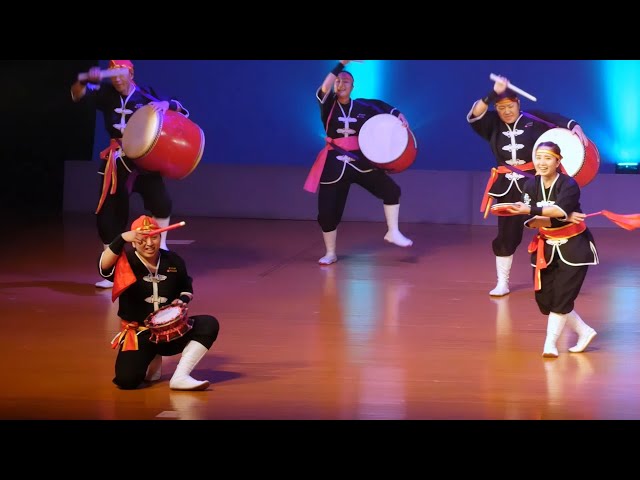
This is a track by Toru Yonaha, who is also active as a bearer of tradition in the world of Ryukyu classical music and island songs.
It was included on the album “Ko no Kata ~Polaris~,” released in February 2015, and is a piece that has been continuously adopted as a performance number and teaching material by Eisa groups.
While honoring the melodic inflections of traditional Okinawan folk songs, the arrangement layers in a rock-like dynamism that’s incredibly cool.
The powerful tone of the sanshin and the beat of the drums unite the hearts of dancers and audience alike.
Brimming with the unique exhilaration of Eisa, it’s perfect for moments when you want to deliver a thrilling performance at a school sports day or festival.
How about riding the rhythm of this piece and creating a space overflowing with excitement together?
Song of the Gutlessyohen aiko48rank/position

Literally, it means “to love the heart,” but it can also mean “to love from the heart.” Based on the lyrics, it can even be understood as “sincere love.” The lyrics, which say that when we are young we seek love in the warmth of skin, and as we grow older it becomes a love of true sincerity, are profoundly deep.
Let’s walk facing forwardJonī Ginowan49rank/position

Johnny Ginowan, who rose to prominence as a singer representing Okinawan local products, performs a song that arranges Kyu Sakamoto’s “Ue o Muite Arukou” in an Okinawan style.
The Okinawan-version lyrics, which seem to speak for the feelings of the Okinawan people who have lived through the Battle of Okinawa and the reversion to Japanese sovereignty, resonate gently in the heart.