

Rimsky-Korsakov Popular Songs Ranking [2026]

Nikolai Rimsky-Korsakov is a Russian composer.
Renowned for his emotionally rich and majestic music—melodies whose every note resonates with the heart—he is considered such an important figure that he is counted among the “Mighty Handful” (The Five) of Russian composers.
Said to have had synesthesia, perceiving colors in sounds, I have compiled a ranking of his popular pieces.
Please enjoy his richly colorful music.
- Rimsky-Korsakov’s Masterpieces | The Vividly Colorful World of Russian Music
- Mily Balakirev Popular Songs Ranking [2026]
- Modest Mussorgsky Popular Song Rankings [2026]
- Igor Stravinsky Popular Songs Ranking [2026]
- Sergei Rachmaninov Popular Songs Ranking [2026]
- Alexander Borodin Popular Song Ranking [2026]
- Alexander Scriabin Popular Songs Ranking [2026]
- Pyotr Tchaikovsky Popular Song Rankings [2026]
- Dmitri Kabalevsky Popular Song Rankings [2026]
- Peter Ilyich Tchaikovsky Popular Songs Ranking [2026]
- Dmitri Shostakovich Popular Songs Ranking [2026]
- Sergei Prokofiev Popular Songs Ranking [2026]
- Ottorino Respighi Popular Songs Ranking [2026]
Rimsky-Korsakov Popular Songs Ranking [2026] (11–20)
Three Miracles from the Tale of the Sultan EmperorNikolai Rimsky-Korsakov15rank/position

Rimsky-Korsakov’s opera The Tale of Tsar Saltan includes a suite whose movements depict three miracles that appear on a magical island.
Through vivid orchestration, the music portrays fantastical scenes such as a squirrel, a heroic warrior, and the transformation of the Swan Princess.
While incorporating Russian folk melodies, the work is crafted with distinctive orchestral techniques.
Its flowing melodies and brilliant timbres invite listeners into a dreamlike world.
It’s highly recommended for anyone who wants to experience a fantastical realm where a grand story and music become one.
Capriccio espagnolNikolai Rimsky-Korsakov16rank/position
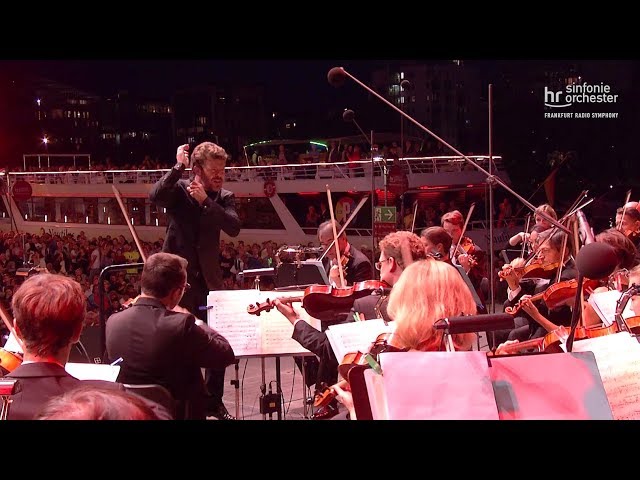
This orchestral work, inspired by Spanish folk songs and dances, unfolds a richly colored sonic world.
Consisting of five movements, each one distinctively portrays a different region or culture of Spain.
Its brilliant orchestration and the wide variety of instrumental solos are especially captivating, drawing listeners into an exotically tinged soundscape.
At its premiere in October 1887, it was reportedly met with high praise from both the musicians and the audience.
It’s a highly recommended piece not only for those interested in Spanish music, but also for anyone who wants to fully savor the allure of orchestral sound.
From Capriccio Espagnol, No. 1: AlboradaNikolai Rimsky-Korsakov17rank/position

From Capriccio Espagnol, Op.
34: No.
1, Alborada.
Alborada is a dance from the Asturias region of Spain.
Performed by the Orquesta Sinfónica Infantil & Juvenil, conducted by Ms.
Esperanza de Velasco.
From Capriccio Espagnol, No. 2: VariationsNikolai Rimsky-Korsakov18rank/position
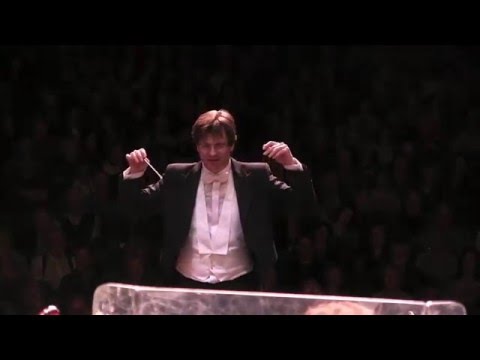
From Capriccio Espagnol, Op.
34: No.
2, Variazioni.
Performed by the Rogue Valley Symphony Orchestra, conducted by Martin Majkut, at the Grants Pass Performing Arts Center in Oregon.
From Capriccio espagnol, No. 4 and No. 5Nikolai Rimsky-Korsakov19rank/position

From Capriccio Espagnol, Op.
34: No.
4, Scena e canto gitano (Scene and Gypsy Song); No.
5, Fandango asturiano (Asturian Fandango).
Performed by the Puerto Rico Symphony Orchestra, conducted by Roselin Pabón.
Concerto for Trombone and Wind EnsembleNikolai Rimsky-Korsakov20rank/position
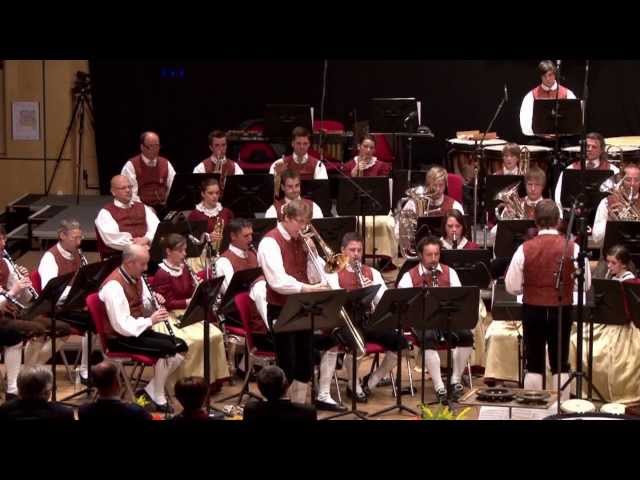
Concerto for Trombone and Wind Band.
Movement I: Allegro vivace; Movement II: Andante cantabile; Movement III: Allegro – Tempo poco meno mosso – Vivace.
Performed by Martin Psaier and the Brixen Civic Wind Orchestra, conducted by Hans Pircher.
Rimsky-Korsakov Popular Songs Ranking [2026] (21–30)
Ballet music ‘The Golden Cockerel’Nikolai Rimsky-Korsakov21rank/position

An opera based on a Russian folk tale, it is characterized by fantastical music and a satirical story.
Centered on a foolish king and the prophecy of a golden cockerel, it portrays the incompetence of power and the folly of humankind.
Its colorful orchestration and Oriental-tinged melodies are striking, with the depiction of the golden cockerel’s cry being particularly superb.
The work contains criticism of Russian politics and society, conveying profound lessons and warnings.
It premiered in Moscow in October 1909, but was performed after the composer’s death.
With themes that resonate in contemporary society, this masterpiece can be enjoyed for both its music and its narrative.