

Ranking of Popular Japanese Music and J-POP Artists Among People in Their 60s [2026]

Artists who sing J-POP and Japanese songs that are popular among people in their 60s
- [Ages 60s] Popular Japanese Music / J-POP Rankings [By Generation]
- [2026 Edition] Songs Loved by People in Their 60s: Classic Hits from Their Youth
- Popularity Ranking of Songs by Generation: 60s [2026]
- Band Rankings Popular Among People in Their 60s [2026]
- Ranking of Popular Japanese Pop (J-Pop) Artists Among People in Their 50s [2026]
- [For People in Their 60s] Karaoke Songs That Get the Crowd Going: Ranking [2026]
- Good songs recommended for people in their 60s: classic and popular Japanese tracks
- Band song rankings popular among people in their 60s [2026]
- Best Karaoke Songs and Popular Band Rankings for Lively Fun in Your 60s [2026]
- [60s] Karaoke Popularity Rankings by Generation [2026]
- Ranking of Popular Band Songs Among People in Their 50s [2026]
- [50s] Popular Song Ranking by Generation [2026]
- Popular Japanese songs among men in their 60s: recommended masterpieces and classic tracks
Ranking of Popular Japanese Music and J-POP Artists Among People in Their 60s [2026] (61–70)
12th graderFunaki Kazuo64rank/position

This is a masterpiece whose nostalgic, march-like melody and warm vocals—enveloping the bittersweet farewell of youth—resonate deeply.
It begins with the scene of the setting sun reflected on the school building, moves through images of boys and girls dancing a folk dance, and gently depicts the end of high school life with memories shared among friends before parting.
Released in June 1963 as Kazuo Funaki’s debut single, it became a massive hit, selling over one million copies within a year.
In November of the same year, a film of the same title was produced, with Funaki himself in the starring role.
It’s a song I’d recommend to those who cherish memories of their youth or feel nostalgic for their school days.
Why not give it a listen in the springtime, when you want to spend your days with a calm and peaceful heart?
contrailArai Yumi65rank/position
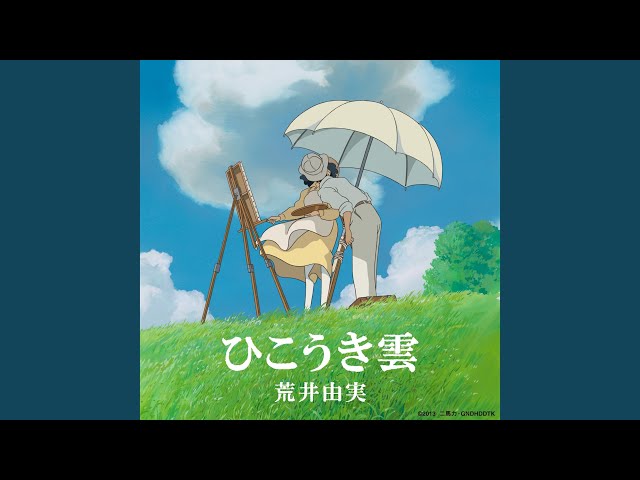
This song was created based on the experience of losing a classmate during the artist’s school days.
Its poetic imagery likening a soul ascending to heaven to a contrail, together with a clear, translucent vocal, intertwine beautifully to form a gem of a track.
Released in 1973 as the B-side to the single “Kitto Ieru,” it was also included on the album Hikōkigumo the same year.
In 2013, it was chosen as the theme song for Studio Ghibli’s The Wind Rises, touching the hearts of people across generations.
With its gently enveloping melody and relaxed tempo, it’s a warm, inviting song that makes you want to hum along together.
Sailor Suit and Machine GunYakushimaru Hiroko66rank/position

A perfect song for anyone who has parted ways with someone important to chase their dreams.
Released in November 1981 as Hiroko Yakushimaru’s debut single, it became a huge hit as the theme song for the film of the same name.
With its simple melody and careful, heartfelt vocals, it felt fresh amid the fierce idol boom of the time.
It was also used as an insert song in the anime Maison Ikkoku, making it beloved across generations.
Sing it at karaoke, and memories of your youth will come rushing back—sure to spark lively conversations with friends.
Why not sing it together with your closest companions?
A Cruel Angel’s ThesisTakahashi Yoko67rank/position

It’s a song widely loved as the opening theme of the anime Neon Genesis Evangelion, resounding with Yoko Takahashi’s vocals.
It portrays youth’s growth and potential with words that are both beautiful and powerful.
Released in October 1995, it has remained timeless for over 25 years, continuing to leave a deep impression on many people.
It even won first place overall in JOYSOUND’s ranking of songs sung during the Heisei era, boasting popularity across generations.
It’s a track that can lift your spirits when you listen during little moments—while doing housework or on a drive.
Why not hum along? It’s sure to set your heart dancing.
youthMorita Kōichi to Toppugyaran68rank/position
Released in 1976, Koichi Morita & Top Gallant’s song “Seishun Jidai” is etched deeply in the hearts of those in their 60s.
Nostalgic yet powerful, it brings back the feelings of those school days for many.
Yasushi Akutagawa’s lyrics carefully capture the complexities of youth, and their message still resonates unfaded today.
A million-seller that appeared on the 1977 NHK Kōhaku Uta Gassen, it has been covered many times over the years and continues to be loved by people of all generations.
Let’s sing along as we reflect on those days that remain in our hearts.
Space Battleship Yamatosasaki isao69rank/position

A signature song by Isao Sasaki that sings of a grand tale set in space.
Released as a single in October 1974, it was used as the opening theme for the anime of the same name.
The powerful vocals and moving melody vividly portray the resolve and hope of the brave warriors who rose to save Earth.
Universal themes of love and sacrifice, courage and determination are sure to resonate deeply with listeners.
It’s a track that will give you a boost when you’re tired or need energy.
Experience this classic packed with the full appeal of Isao Sasaki, a giant in the world of anime songs.
Tokyoyashiki takajin70rank/position

Released in March 1993, this mood-kayō song fuses tearful enka with sophisticated urban pop.
Through Kansai-dialect lyrics, it movingly portrays a romance and breakup with a man she met in Tokyo, along with her complex feelings toward the city.
Takajin Yashiki was an artist who was active mainly in the Kansai region, also serving as a host of the popular program “Sei! Young.” This piece became a hit as requests on cable radio surged, ultimately selling a total of 600,000 copies.
In live performances, he would sometimes change the place name in the chorus to match the concert location, valuing a sense of unity with the audience.
When singing it at karaoke, it’s recommended to sing at an easy, relaxed pace while thinking of your hometown and the special people you’ve met.