

Ranking of Popular Japanese Music and J-POP Artists Among People in Their 60s [2026]

Artists who sing J-POP and Japanese songs that are popular among people in their 60s
- [Ages 60s] Popular Japanese Music / J-POP Rankings [By Generation]
- [2026 Edition] Songs Loved by People in Their 60s: Classic Hits from Their Youth
- Popularity Ranking of Songs by Generation: 60s [2026]
- Band Rankings Popular Among People in Their 60s [2026]
- Ranking of Popular Japanese Pop (J-Pop) Artists Among People in Their 50s [2026]
- [For People in Their 60s] Karaoke Songs That Get the Crowd Going: Ranking [2026]
- Good songs recommended for people in their 60s: classic and popular Japanese tracks
- Band song rankings popular among people in their 60s [2026]
- Best Karaoke Songs and Popular Band Rankings for Lively Fun in Your 60s [2026]
- [60s] Karaoke Popularity Rankings by Generation [2026]
- Ranking of Popular Band Songs Among People in Their 50s [2026]
- [50s] Popular Song Ranking by Generation [2026]
- Popular Japanese songs among men in their 60s: recommended masterpieces and classic tracks
Ranking of Popular Japanese Music and J-POP Artists Among People in Their 60s [2026] (21–30)
Rainy MidosujiŌyō Fifi22rank/position

A gem of a love song set on Osaka’s iconic Midosuji, portraying a bittersweet romance drenched in rain amid the bustle of the city.
Fifi Ouyang’s powerful yet delicate vocals vividly capture the pain of heartbreak and lingering attachment.
Released in September 1971, the song spent nine consecutive weeks at No.
1 on the Oricon chart and won the New Artist Award at the 13th Japan Record Awards the same year.
With Japanese lyrics by Haruo Hayashi set to an instrumental originally released by the American rock band The Ventures, this piece perfectly blends a rock-tinged rhythm with a wistful melody.
Why not revisit cherished memories and savor this timeless classic that resonates deep in the heart?
Pink sighTakahashi Mariko23rank/position
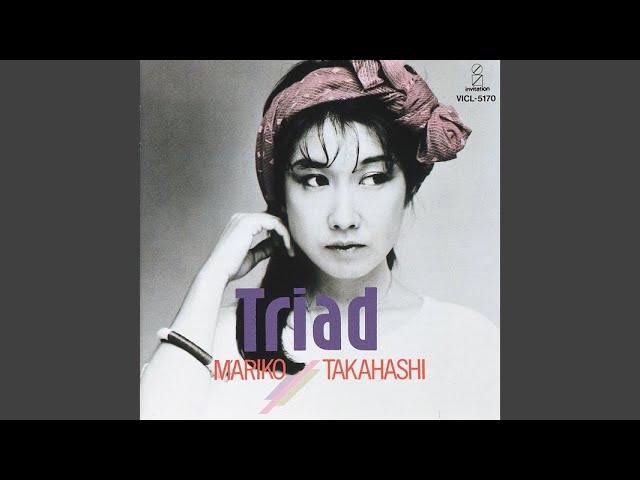
Mariko Takahashi’s classic “Momoiro Toiki.” It features a distinctly exotic melody and, while it carries elements of mood kayō (mood enka), it also incorporates contemporary J-pop characteristics.
The piece sits within a relatively narrow vocal range of mid1 G# to high C.
Since the most frequent pitch is around mid2 G#, most women should be able to sing it without difficulty.
As the song prioritizes mood, it’s recommended to sing with careful dynamics.
If a phrase ends with a consonant, letting it fade out as a voiceless sound can be an effective touch.

Imperial Regent Declarationsadamasashi24rank/position

Masashi Sada’s “Kanpaku Sengen” is a song released in 1979.
At first glance, the lyrics—requests to his future wife before marriage—seem to reflect a domineering husband, but they are actually filled with deep affection.
Beneath the words lies a heartfelt concern for family.
Although the song stirred controversy at the time of its release, it has been cherished by many as a clumsy man’s way of expressing love.
It’s said that at concerts, it’s customary for the audience to sing the ending together.
A classic Masashi Sada piece that portrays profound love and human drama—why not listen to it while thinking of someone dear to you?
Robinsonsupittsu25rank/position

With its translucent melody and poetic lyrics, this classic song captures the bittersweetness of spring and snapshots of youth.
While carrying loneliness and solitude, the lyrics overflow with a tenderness that cherishes everything that exists, soaking into the heart.
Released in April 1995, it became a massive hit, selling over 1.62 million copies.
It was used as an insert song for the drama “Hakusen Nagashi” and won an Excellence Award at the 37th Japan Record Awards.
It’s a recommended song for times when you want to look back on nostalgic memories or reevaluate your relationship with someone important.
Ladybug Sambacherisshu26rank/position

The song that colored our youth, “Ladybug Samba,” is a piece that strongly evokes the atmosphere of the Showa era, beloved for its irresistible melody and lyrics that wish for happiness.
When it plays, the vibrant days of youth come rushing back to life.
How about using it as background music for family gatherings or on days you want to relax? Popular as entertainment at weddings and at karaoke, “Ladybug Samba” resonates across generations and never loses its fresh charm.
Take this opportunity to savor, at your leisure, a melody that is both nostalgic and unfading.
School HeavenFingā 527rank/position

Since its release in 1974, “Gakuen Tengoku” has continued to leave a vivid impression on many listeners.
Its up-tempo, upbeat melody lifts people’s spirits and brings back memories of that era.
The passionate message and catchy tune delivered by Finger 5 remain unchanged, and that’s exactly why the song is loved across generations, including by new listeners today.
Listening to it will remind you of time spent with school friends and the days of youth, and it’s sure to liven up occasions like karaoke.
Do lend an ear to its enduring, life-affirming charm that hasn’t faded, then or now.
A Member of the Fire BrigadeRATS&STAR28rank/position

Released in 1983, this song portrays the allure of a woman appearing on a summer seaside.
With its upbeat rhythm and distinctive choreography, it captured the hearts of many.
It was the first single released after the group changed its name to Rats & Star and reached No.
1 on the Oricon charts.
Selling over 600,000 copies, it became a massive hit, ranking 10th on the year-end charts.
It’s a perfect track for those who feel nostalgic about summer memories and their youth.
Why not look back on the old days while joyfully singing and dancing along?