

Ranking of Popular Japanese Music and J-POP Artists Among People in Their 60s [2026]

Artists who sing J-POP and Japanese songs that are popular among people in their 60s
- [Ages 60s] Popular Japanese Music / J-POP Rankings [By Generation]
- [2026 Edition] Songs Loved by People in Their 60s: Classic Hits from Their Youth
- Popularity Ranking of Songs by Generation: 60s [2026]
- Band Rankings Popular Among People in Their 60s [2026]
- Ranking of Popular Japanese Pop (J-Pop) Artists Among People in Their 50s [2026]
- [For People in Their 60s] Karaoke Songs That Get the Crowd Going: Ranking [2026]
- Good songs recommended for people in their 60s: classic and popular Japanese tracks
- Band song rankings popular among people in their 60s [2026]
- Best Karaoke Songs and Popular Band Rankings for Lively Fun in Your 60s [2026]
- [60s] Karaoke Popularity Rankings by Generation [2026]
- Ranking of Popular Band Songs Among People in Their 50s [2026]
- [50s] Popular Song Ranking by Generation [2026]
- Popular Japanese songs among men in their 60s: recommended masterpieces and classic tracks
Ranking of Popular Japanese Music and J-POP Artists Among People in Their 60s [2026] (71–80)
youKozaka Akiko78rank/position

“Anata” is a song released by Akiko Kosaka in 1973, known for its gentle vocals and melodies that resonate with the heart.
Its bittersweet lyrics have continued to be cherished through changing times, making it an enduring classic frequently chosen for karaoke.
The more you listen, the more its charm draws you in, and it has become a piece passed down across generations.
While the clear high notes require technique to sing, they further enhance the song’s dramatic worldview.
This track, which evokes the feeling of traveling beyond eras, is a special piece for those who nostalgically recall youth around the 1970s, and it remains beloved by many to this day.
Boy in the back alleyHamada Shogo79rank/position

This song, which is also Shogo Hamada’s debut single, was released in 1976.
It’s a coming-of-age song that sings about his memories from ages 16 to 22 spent in Yokohama, and just the intro alone is enough to fire up Hamada’s fans.
Reissued singles were released in 1989 and 2005.
When singing it at karaoke, it’s really cool if you can nail the part where the chorus jumps up an octave.
It should be a lot of fun if everyone claps along and gets into it together.

Cosmos Highwaykaryūdō80rank/position

The duo Kariudo, who gained popularity with their beautiful duets, were truly impressive—their harmonies had an exceptional level of synchronicity that only real brothers could achieve.
They created many classic songs over the years.
Among them, the one I especially recommend for men in their 60s is Cosmos Kaidō.
This piece leans strongly into the kayōkyoku (Japanese pop ballad) style, so the melodic rises and falls are relatively modest throughout.
The vocal range isn’t particularly wide either, so as long as you can hold steady long tones, it’s an easy song for anyone to sing.

Ranking of Popular Japanese Music / J-POP Artists Among People in Their 60s [2026] (81–90)
My boyfriend is left-handed.Asaoka Megumi81rank/position

Through Megumi Asaoka’s singing voice, her tender affection for her left-handed boyfriend gently comes through.
The song delicately portrays the feelings of a woman who loves those special parts of him as seen in his small gestures and actions.
Released in 1973, this track reached No.
1 on the Oricon charts and elevated Megumi Asaoka to a top idol representing the 1970s.
By focusing on the individuality of being left-handed, it sings of the depth of loving someone and the beauty of mutually embracing each other’s differences.
It’s the perfect song for when you want to relive the bittersweet memories of youth and feel anew the bond with someone dear.
Forever with youKayama Yūzō82rank/position

When it comes to summer songs, many of them evoke clear skies, don’t they? The one I’d like to introduce is “Kimi to Itsumademo.” This song was created by Yuzo Kayama and is well known for having won the Japan Record Award and for being used as a movie theme song.
Its lyrics depict a love song set against a summer twilight, portraying the deep love and bond between a man and a woman.
Be sure to listen to it at dusk and let yourself drift into the mood.
Since it has been sung for many years, you can also enjoy comparing performances from its original era to more recent renditions.

Time goes byEvery Little Thing83rank/position
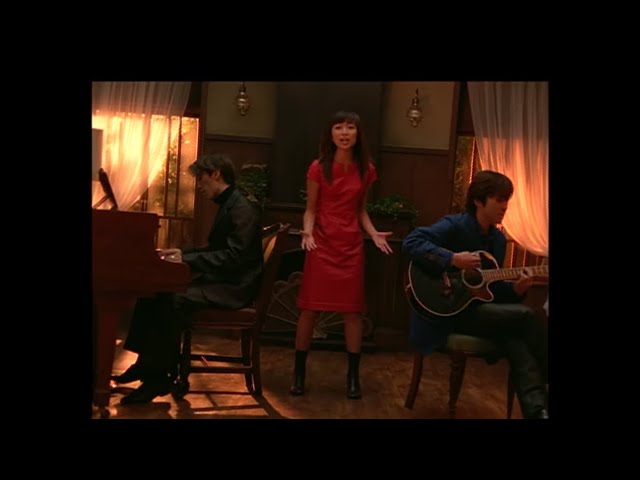
This is a song by Every Little Thing that captures the bittersweet emotions after a heartbreak.
It reflects on a past relationship, expressing self-reflection while conveying that feelings for the other person still remain.
The relatable imagery resonates deeply.
Used as the theme song for the drama “Amai Kekkon” (“Sweet Marriage”), it touched many hearts.
Released in February 1998, it reached No.
2 on the Oricon chart.
It has since been included on best-of albums and anniversary live recordings, and continues to be loved over time.
It’s a recommended track for when you want to heal the pain of a breakup or look back on memories with someone special.
Run, Kotaro!Sorutī Shugā84rank/position

A masterpiece packed with humor and satire, modeled after a live horse race broadcast.
Released in July 1970, Salty Sugar’s work began as a joke about a chronically late band member and blossomed into superb popular entertainment.
The production weaves in race-style narration, horse names that parody popular buzzwords of the time, and even an impersonation of Governor Minobe, resulting in uproarious comedy.
It was adapted into a Toho-distributed film in February 1971, starring Shunji Fujimura.
The song sold around one million copies and won the New Artist Award at the 12th Japan Record Awards.
It’s a perfect pick to liven up parties and drinking gatherings with friends.