Pyotr Tchaikovsky Popular Songs Ranking [2026] (11–20)
Waltz of the Flowers from The NutcrackerPyotr Tchaikovsky15rank/position
The Nutcracker: Waltz of the Flowers (Tchaikovsky) - Pianist Yuki Kondo / The Nutcracker, Waltz of the Flowers - Yuki Kondo [Classical Masterpiece]
The ballet often performed at Christmas is The Nutcracker.
It tells a Christmas story, making its music perfect for this season! The Nutcracker contains many famous pieces, and among them, the Waltz of the Flowers stands out for its elegance and beauty.
It’s wonderful even when played on piano alone and makes for a striking piece.
“Waltz of the Flowers” from the ballet The NutcrackerPyotr Tchaikovsky16rank/position
Nobuyuki Tsujii - Waltz of the Flowers, composed by Tchaikovsky (The Nutcracker)
Pyotr Ilyich Tchaikovsky’s “Waltz of the Flowers” from the ballet The Nutcracker.
This piece is performed in Act II—the scene in the Land of Sweets where the inhabitants celebrate Clara and the Prince—as part of the story in which Clara, a young girl who receives a magical nutcracker on Christmas Eve, embarks on an adventure to a land of delicious confections with her nutcracker.
From its hazy yet resplendent introduction, the music builds toward a brilliant, passionate climax, brought to life by Tchaikovsky’s masterful orchestration and his ability to paint the ballet’s fantastical world in sound.
The interwoven lines of its many instruments create melodies filled with dreamlike beauty and joy.
It is a perfect piece for the Christmas season—try playing it on the piano.
Children’s Album, Op. 39, No. 16: “Old French Song”Pyotr Tchaikovsky18rank/position
“Piano Masterpieces, Volume 1 (Fourth Grade)” — Tchaikovsky / Old French Song
A collection of piano pieces composed by the Russian composer Pyotr Tchaikovsky—known for his ballet music—The Children’s Album, Op.
39, was written for his then seven-year-old nephew.
No.
16, “Old French Song,” is one of the most famous pieces in the set.
With its relaxed tempo and narrow range, it’s approachable even for beginners; however, be careful where the left hand divides into two voices.
In passages where you sustain the lower voice with half notes while moving the upper voice in eighth notes, try practicing each voice separately before putting them together, and experiment with your practice methods.
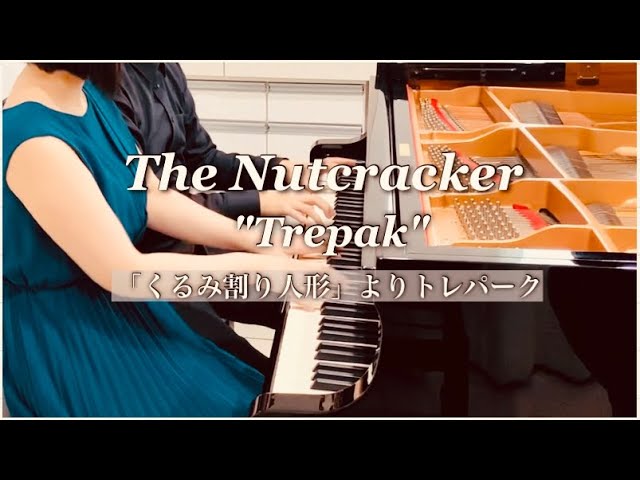
Suite ‘The Nutcracker,’ Op. 71a – TrepakPyotr Tchaikovsky19rank/position
[Piano Duet] Trepak from The Nutcracker / Tchaikovsky’s Three Great Ballets / Christmas Classic / four hands / piano duo / sibling pianists
How about the suite The Nutcracker by Pyotr Tchaikovsky? This piece comes from the ballet The Nutcracker.
While the original is known as an orchestral work, there are also scores arranged for piano four hands.
Among those, a particularly popular and dazzling selection is the Russian Dance, or Trepak.
Some people associate it with the movie Home Alone, but the piece used in the film is a different work composed very much in a similar vein with a similar character.
From the very beginning, the music bursts with a lively melody and a sense of drive.
Thanks to its brilliant, joyful character, it’s an excellent recommendation as a duet piece for a recital.
Pyotr Tchaikovsky Popular Songs Ranking [2026] (21–30)
Andante cantabilePyotr Tchaikovsky21rank/position
“Andante Cantabile” by Tchaikovsky — Tchaikovsky: Andante cantabile
A masterpiece for string quartet that gracefully weaves in folk melodies.
Composed by Pyotr Tchaikovsky in 1871 during his tenure as a teacher at the Moscow Conservatory, this work captivates with its lyrical melodies that resonate deeply with listeners.
The flowing sonorities of the strings gently envelop a romantic atmosphere.
Featured in the films The Pianist and Anastasia, its universal appeal continues to be loved around the world.
It has been arranged for various ensembles and can be enjoyed in diverse performances, including cello and orchestra or solo piano.
As wedding or reception background music, its calm melodies and warm expressiveness will elegantly adorn your special day.