

Ranking of Popular Japanese Music and J-POP Artists Among People in Their 30s [2026]

J-pop is just like fashion—the trends change rapidly, don’t they?
It’s hard to keep up.
In this article, we’ll introduce Japanese artists popular among people in their 30s.
It’s presented in a ranking format, so I hope you’ll enjoy guessing where your favorite artists place as you read.
- Top Japanese Music / J-POP Rankings by Generation: 30s
- Band rankings popular among people in their 30s [2026]
- Ranking of Popular Japanese Music/J-POP Artists Among People in Their 20s [2026]
- Ranking of Popular Japanese Music and J-POP Artists Among People in Their 40s [2026]
- [30s] Karaoke Crowd-Pleasers Ranking [2026]
- [30s] Popular Songs Ranking by Generation [2026]
- An anthem for your 30s. Beloved and popular songs that are both heart-pumping and heart-fluttering.
- [20s] Popular Japanese Music and J-POP Rankings [By Generation]
- For men in their 30s: Nostalgic music. Recommended popular songs
- Band Rankings Popular Among People in Their 40s [2026]
- Top Karaoke Songs That Get 20-Somethings Hyped [2026]
- Ranking of Japanese Music/J-POP Artists Popular Among Teens [2026]
- [40s] Popular Songs Ranking by Generation [2026]
Ranking of Popular Japanese Music/J-POP Artists Among People in Their 30s [2026] (81–90)
My Sweet Darlin’Yaita Hitomi85rank/position

Songs from around the year 2000 probably carry a nostalgic ring for people in their 30s, bringing back the sweet memories of their youth.
Hitomi Yaida’s “My Sweet Darlin’,” released in 2000, is a bittersweet love song that tickles the hearts of thirtysomethings.
The chorus, which makes effective use of falsetto, is super poppy, and if you play it at a wedding, it’s sure to get the whole venue buzzing! It’s a timeless classic that hasn’t lost its charm even in the Reiwa era, making it a great pick for a wide range of ages—not just those in their 30s.

Promise of SunflowersHata Motohiro86rank/position
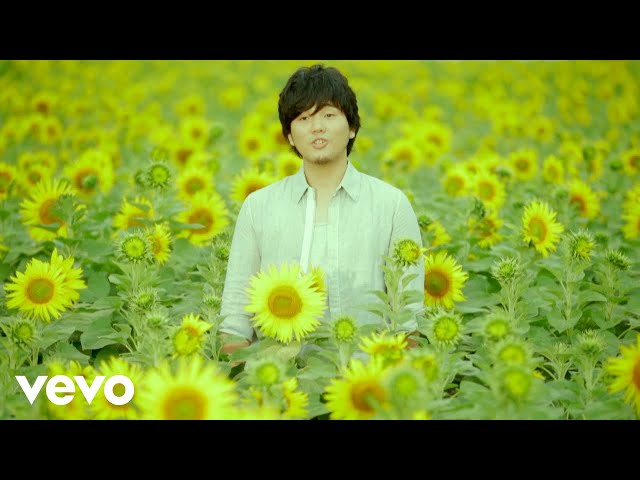
On summer evenings, when you’re suddenly overcome with a tinge of melancholy, many people turn to Motohiro Hata’s warm ballads.
His voice—often described as “made of steel and glass”—gently soaks into the heart as it conveys messages about deep bonds with loved ones and how hearts remain connected even when apart.
Released in August 2014, this song is also known as the theme for the film STAND BY ME Doraemon and has been widely cherished, earning a million-download certification from the Recording Industry Association of Japan.
It is also included on the album “Ao no Kōkei” (Scenes of Blue).
When you look back on your joyful summer memories and feel a touch of loneliness, try listening while savoring the lyrics.
It’s sure to warm your heart.
A Perfect SkyBONNIE PINK87rank/position

This song, A Perfect Sky, is one of BONNIE PINK’s signature tracks.
It was released in 2006 as her 21st single.
Many people may strongly associate it with summer because it was used in a commercial for Shiseido’s ANESSA sunscreen, a staple of summer ads.
It’s a classic summer hit that has been covered by many artists.
The lyrics portray a midsummer romance, giving the song a slightly mature and bittersweet feel.

If I Fall in LoveCrystal Kay88rank/position

For women in their 30s, this song might strongly resonate as an emblem of the golden era of 2000s romance dramas.
“Koi ni Ochitara” was also the theme song for the Fuji TV drama “Koi ni Ochitara: Boku no Seikou no Himitsu.” It was certified million for both its chaku-uta (ringtone) and single track.
It features Crystal Kay’s characteristically light vocals, so it’s best sung with a bright, buoyant feel.
The overall vocal range is G3 to D#5, and the B melody includes higher parts, so try to keep it light rather than belting.
In the final chorus, the key modulates upward, so imagining the resonance in your head voice throughout should make it easier to stay on pitch.

JOYYU-KI89rank/position

How about trying to sing one of YUKI’s classic songs? Its upbeat rhythm and lyrics expressing the joy of love are truly appealing.
The message about cherishing everyday happiness resonates with listeners.
Released as a single in 2002, it was also included on the album “joy.” The music video—featuring a memorable performance with dancers—was such a sensation that it was honored at SPACE SHOWER MVA 06.
Sing it at karaoke and the atmosphere will instantly liven up.
If you perform it at karaoke after a mixer with the opposite sex, it’s sure to become a wonderful memory.
It’s also perfect when you want a boost of energy.
Be sure to practice and enjoy singing it together with everyone!
LOVE 2000hitomi90rank/position

Hitomi’s signature song “LOVE 2000.” Back then, many female singer-songwriters had an Avex-style, Italo-disco vibe, but Hitomi gained popularity with a somewhat louder, rock-tinged sound.
I imagine many women in their 30s admired her rocky vocals.
While this song’s range—mid1F to hiD—is fairly standard, it’s exceptionally easy to sing because it frequently stays around mid2F#, a very comfortable pitch for many women.
Another plus is that you can make it easier to sing simply by adjusting the key to match the hiD sections.
Definitely consider adding it to your repertoire.

Ranking of Popular Japanese Music / J-POP Artists Among People in Their 30s [2026] (91–100)
come againm-flo91rank/position

m-flo, with a solid grounding in authentic club music and a talent for seamlessly translating genre-defying sounds into J-POP.
Known as one of their signature tracks, this song portrays the bittersweet emotions of a female protagonist who dances the night away on the floor, trying to cut off her feelings for someone who’s indifferent to her.
Released in January 2001 as their ninth major-label single, it became widely recognized after being featured in a Kanebo Cosmetics commercial.
It’s also included on the classic album EXPO EXPO.
The rhythm at the core of this piece was remarkably innovative in Japan’s music scene at the time, and its refined sensibility is still striking today.
It’s a cool dance tune, perfect for nights when you want to feel a bit more grown-up or when you need a change of mood.