

Ranking of Popular Japanese Music and J-POP Artists Among People in Their 30s [2026]

J-pop is just like fashion—the trends change rapidly, don’t they?
It’s hard to keep up.
In this article, we’ll introduce Japanese artists popular among people in their 30s.
It’s presented in a ranking format, so I hope you’ll enjoy guessing where your favorite artists place as you read.
- Top Japanese Music / J-POP Rankings by Generation: 30s
- Band rankings popular among people in their 30s [2026]
- Ranking of Popular Japanese Music/J-POP Artists Among People in Their 20s [2026]
- Ranking of Popular Japanese Music and J-POP Artists Among People in Their 40s [2026]
- [30s] Karaoke Crowd-Pleasers Ranking [2026]
- [30s] Popular Songs Ranking by Generation [2026]
- Youth Songs for Your 30s: Iconic and Popular Tracks That Are Both Heart-Pounding and Heart-Melting
- [20s] Popular Japanese Music and J-POP Rankings [By Generation]
- For men in their 30s: Nostalgic music. Recommended popular songs
- Band Rankings Popular Among People in Their 40s [2026]
- Top Karaoke Songs That Get 20-Somethings Hyped [2026]
- Ranking of Japanese Music/J-POP Artists Popular Among Teens [2026]
- [40s] Popular Songs Ranking by Generation [2026]
Ranking of Popular Japanese Music / J-POP Artists Among People in Their 30s [2026] (41–50)
READY STEADY GOL’Arc〜en〜Ciel50rank/position

This is the 22nd single by L’Arc~en~Ciel, whose ever-evolving, uniquely creative musical style has garnered popularity not only in Japan but around the world.
Serving as the opening theme for the TV anime Fullmetal Alchemist and marking the band’s first single after resuming activities, it became a major talking point.
Its high-level performance shines in a fast-paced arrangement, and the melody—both catchy and grand—feels quintessentially L’Arc~en~Ciel while also suggesting a new direction for the band.
For those in their thirties, it’s the kind of track that will get your spirits up instantly.

Ranking of Popular Japanese Music/J-POP Artists Among People in Their 30s [2026] (51–60)
crescent moonayaka51rank/position

A signature song by Ayaka that sings of feelings for a loved one far away.
The gentle ballad’s lyrics portray a poignant image of a woman living bravely while battling loneliness.
Released in September 2006, it topped the Oricon Weekly Chart and was featured as the theme song for NHK’s “Mirai Kansoku: Tsunagaru TV @ Human” as well as in an au commercial.
Keep a clear, composed vocal tone and pour your feelings into the simple melody as you sing.
If you perform it toward the end of a karaoke session, just when everyone’s in the mood for something a bit calmer, you might even captivate the men in the room.
I’m ProudKahara Tomomi52rank/position

A masterpiece of self-affirmation from 1996 and one of Tomomi Kahala’s signature songs, featuring a powerful yet wistful melody and emotionally rich lyrics.
It vividly portrays a protagonist grappling with loneliness and anxiety who confronts herself and reexamines her identity through encounters with others.
Chosen as the song for a TBC commercial, it also led to an appearance at that year’s NHK Kōhaku Uta Gassen.
This legendary track reached No.
2 on the Oricon weekly chart and topped the annual karaoke rankings.
Though it’s a song that tests one’s vocal ability, it’s highly recommended for moments when you want to boost your confidence or take a new step forward.
Spring ~spring~Hysteric Blue53rank/position

A signature song by Hysteric Blue that opens with scenes stirring up old memories.
It breezily portrays the protagonist facing a breakup and stepping forward toward new dreams.
Set against the backdrop of spring, it melodically depicts the conflicting emotions of lingering attachment to the past and hope for the future, beautifully expressing the delicate feelings unique to adolescence.
Released as a single in January 1999, it reached No.
5 on the Oricon Weekly Chart and earned the group a spot on that year’s NHK Kohaku Uta Gassen.
A heartwarming number recommended for those whose youthful memories resurface with the arrival of spring.
The strong and fleeting onesCocco54rank/position

Cocco is a female singer-songwriter who was active from the late 1990s to the 2000s.
She is known for a style that incorporates alternative rock and grunge into J-pop, and she excelled at soft, delicate vocals.
Among Cocco’s songs, the one I especially recommend is “Tsuyoku Hakanai Monotachi” (“The Strong and the Fragile”).
The vocal line has gentle rises and falls, and the range isn’t very wide, so even women in their 30s with lower voices can sing it without any trouble.
Consider adding it to your repertoire.

if…DA PUMP55rank/position
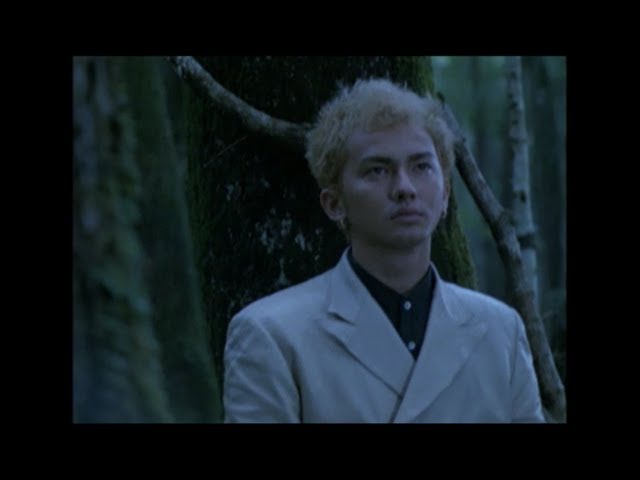
Released in September 2000, this song is quintessentially DA PUMP.
The lyrics, themed around love and farewell, express deep feelings for the other person and anxieties about the future.
Using the darkness of night and the light of the moon as symbols, the striking choice of words portrays a struggle against fate and the passage of time.
It was also used in a Sharp “Mebius” commercial, leaving a lasting impression on many listeners.
This work showcases DA PUMP’s ballad side, characterized by a catchy melody and profound emotional expression.
The dance performance for the ballad is cool and captivating as well.
When you find yourself at a crossroads in love or life, why not listen to it as a song that can support your heart?
instinctShiina Ringo56rank/position

Shiina Ringo’s signature song “Honnō.” These days, “Marunouchi Sadistic” is often cited as her representative work, but for women in their 30s, this piece might be considered Shiina Ringo’s flagship song.
Although her vocal timbre can make it less obvious, this song actually has a fairly narrow range.
As a result, it’s arranged in a way that’s easy to sing even for women with lower voices.
If you want to make it sound even better, try singing it in a key where your edge voice comes out most naturally.