

Top Japanese Music / J-POP Rankings by Generation: 30s

We’re excited to present the latest top 100 rankings of Japanese music/J-POP for listeners in their 30s, listed in order of most plays!
People in their 30s are often seen as entering adulthood—but what songs are they listening to most?
The playlist is updated weekly.
- Ranking of Popular Japanese Music and J-POP Artists Among People in Their 30s [2026]
- [30s] Popular Songs Ranking by Generation [2026]
- Songs that get people in their 30s pumped up: a roundup of nostalgic tracks that are also great for karaoke
- For men in their 30s: Nostalgic music. Recommended popular songs
- [30s] Karaoke Crowd-Pleasers Ranking [2026]
- [30s] Karaoke Popularity Ranking by Generation [2026]
- Popular Japanese songs among women in their 30s. Recommended masterpieces and classic tracks.
- Great songs recommended for people in their 30s. Classic and popular Japanese songs.
- Band rankings popular among people in their 30s [2026]
- [30s] Easy-to-Sing Karaoke Songs Ranking [2026]
- [For men in their 30s] Must-play karaoke hits that always get the crowd going
- [20s] Popular Japanese Music and J-POP Rankings [By Generation]
- Songs popular among men in their 40s. Timeless classics that bring back memories.
[30s] Popular Japanese Music and J-POP Ranking [By Generation] (31–40)
I’m ProudKahara Tomomi36rank/position

A masterpiece of self-affirmation from 1996 and one of Tomomi Kahala’s signature songs, featuring a powerful yet wistful melody and emotionally rich lyrics.
It vividly portrays a protagonist grappling with loneliness and anxiety who confronts herself and reexamines her identity through encounters with others.
Chosen as the song for a TBC commercial, it also led to an appearance at that year’s NHK Kōhaku Uta Gassen.
This legendary track reached No.
2 on the Oricon weekly chart and topped the annual karaoke rankings.
Though it’s a song that tests one’s vocal ability, it’s highly recommended for moments when you want to boost your confidence or take a new step forward.
CHE.R.RYYUI37rank/position

With the arrival of spring, there’s always that one song you find yourself humming, isn’t there? Singer-songwriter YUI’s eighth single is exactly that kind of number.
Released in March 2007, it was featured in the au by KDDI “LISMO!” commercial and debuted at No.
2 on the Oricon charts.
Built around an acoustic guitar, its light, breezy sound blends with YUI’s crystal-clear vocals to create a pop tune that lifts your spirits the moment you listen.
The lyrics capture the thrill of getting a message from someone you like, replying right away because you can’t play hard to get—an honest, straightforward feeling of love that makes listeners’ hearts flutter.
They also express a wish to nurture the relationship through everyday conversations, packing in all the sweet, slightly tart feelings at the start of romance.
The track is also included on the album “CAN’T BUY MY LOVE.” It’s a perfect spring song for a drive during cherry blossom season or for hyping up a karaoke session with friends.
KanadeSukima Suichi38rank/position

“Kanade,” Sukima Switch’s second single, released in March 2004.
It’s a signature song for Sukima Switch and a classic ballad that will surely continue to be loved for years to come.
It’s also known for coloring numerous memorable scenes, such as being featured in the film “Rough” and serving as the ending theme on the final day of “Nettou Koshien” in 2006.
This piece carries not only the sorrow of parting, but also a strong determination to connect with the future through song.
Its earnest message and warm melody are sure to resonate deeply with anyone who has experienced saying goodbye to someone dear.
A song that brings tears to your eyes—perfect for a sentimental night.
EverythingMISIA39rank/position

This is the seventh single by MISIA, known as one of Asia’s leading singers, wielding an emotional voice and expressive power spanning a five-octave range.
Chosen as the theme song for the TV drama “Yamato Nadeshiko,” it was released in October 2000 and became a massive hit, recording the highest sales among singles by female artists released in the 2000s.
Its ensemble featuring ethereal strings and soulful vocals still radiates timeless appeal.
It’s a double-million-selling track that has also become a karaoke staple.
if…DA PUMP40rank/position
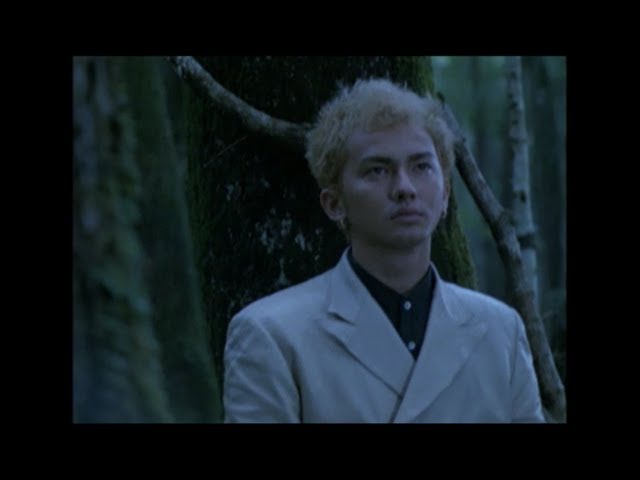
Released in September 2000, this song is quintessentially DA PUMP.
The lyrics, themed around love and farewell, express deep feelings for the other person and anxieties about the future.
Using the darkness of night and the light of the moon as symbols, the striking choice of words portrays a struggle against fate and the passage of time.
It was also used in a Sharp “Mebius” commercial, leaving a lasting impression on many listeners.
This work showcases DA PUMP’s ballad side, characterized by a catchy melody and profound emotional expression.
The dance performance for the ballad is cool and captivating as well.
When you find yourself at a crossroads in love or life, why not listen to it as a song that can support your heart?
[30s] Popular Japanese Music & J-POP Rankings [By Generation] (41–50)
bouquetback number41rank/position

Buck Number is a band you want to sing softly and coolly at karaoke.
Their warm vocals and the melodies they create are truly dramatic in every song.
The realistic feel of their lyrics is wonderful too, and karaoke is the perfect place to let those lyrics shine.
Their romantic lyrics make many girls think, “I want someone to feel this way about me.” Put your own feelings into it and give it a try!

The strong and fleeting onesCocco42rank/position

Cocco is a female singer-songwriter who was active from the late 1990s to the 2000s.
She is known for a style that incorporates alternative rock and grunge into J-pop, and she excelled at soft, delicate vocals.
Among Cocco’s songs, the one I especially recommend is “Tsuyoku Hakanai Monotachi” (“The Strong and the Fragile”).
The vocal line has gentle rises and falls, and the range isn’t very wide, so even women in their 30s with lower voices can sing it without any trouble.
Consider adding it to your repertoire.
