

Top Japanese Music / J-POP Rankings by Generation: 30s

We’re excited to present the latest top 100 rankings of Japanese music/J-POP for listeners in their 30s, listed in order of most plays!
People in their 30s are often seen as entering adulthood—but what songs are they listening to most?
The playlist is updated weekly.
- Ranking of Popular Japanese Music and J-POP Artists Among People in Their 30s [2026]
- [30s] Popular Songs Ranking by Generation [2026]
- Songs that get people in their 30s pumped up: a roundup of nostalgic tracks that are also great for karaoke
- For men in their 30s: Nostalgic music. Recommended popular songs
- [30s] Karaoke Crowd-Pleasers Ranking [2026]
- [30s] Karaoke Popularity Ranking by Generation [2026]
- Popular Japanese songs among women in their 30s. Recommended masterpieces and classic tracks.
- Great songs recommended for people in their 30s. Classic and popular Japanese songs.
- Band rankings popular among people in their 30s [2026]
- [30s] Easy-to-Sing Karaoke Songs Ranking [2026]
- [For men in their 30s] Must-play karaoke hits that always get the crowd going
- [20s] Popular Japanese Music and J-POP Rankings [By Generation]
- Songs popular among men in their 40s. Timeless classics that bring back memories.
[30s] Popular Japanese Music / J-POP Ranking [By Generation] (51–60)
Like tonight’s moonElefanto Kashimashi57rank/position
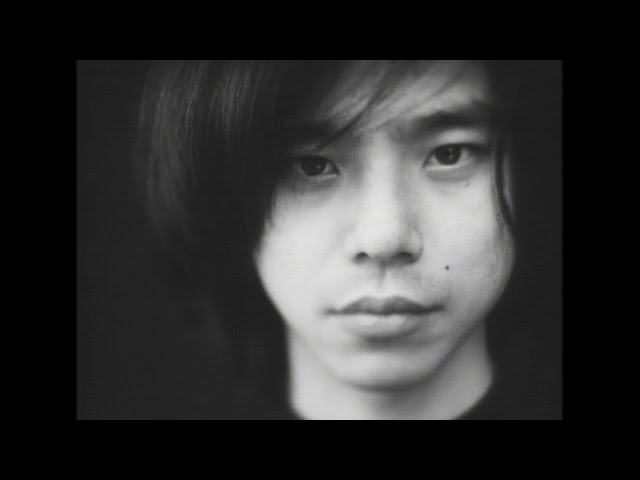
This song, marked by Hiroji Miyamoto’s characteristically passionate vocals, portrays the emotions of a heart wandering in search of lost love.
Released in July 1997, it was also used as the theme song for the Fuji TV drama “Because It’s a Moonlit Night.” It was Elephant Kashimashi’s first drama theme tie-in and became a major hit, breaking into the top 10 on the Oricon charts.
The track depicts someone who, while immersed in past memories, continues to move forward in search of new love, gently encouraging those who want to take on something new or are trying to recover from a broken heart.
Why not listen to it on your commute or on your way home and let Miyamoto’s voice lift your spirits?
SakurazakaFukuyama Masaharu58rank/position

A timeless classic that gently cradles the feelings of a lost romance, overflowing with tenderness and bittersweet emotion.
Its luscious melody and deeply expressive vocals weave a heart-stirring love ballad that captures a love unchanged even after parting.
Released in April 2000 as Masaharu Fukuyama’s 15th single, it was chosen as the theme song for the “Mirai Nikki V” segment on TBS’s “Uunnan no Hontoko!” and ranked second on Oricon’s annual singles chart that same year.
Healing hearts and resonating with many throughout the year, this work is perfect for the spring season.
While carrying the ache of farewell, it moves you with its pure wish for the other’s happiness—a gem of a love song to hear in the season of spring farewells and new encounters.
moonlightOnitsuka Chihiro59rank/position

It became a hit as the theme song for the hugely popular drama series TRICK.
Chihiro Onitsuka also handled the theme song for TRICK 2.
The banter between Yukie Nakama and Hiroshi Abe made it a truly enjoyable show.
Did you watch it? When it was released, Chihiro Onitsuka drew attention for performing barefoot on stage.
The way she sang with her whole body trembling was truly beautiful—“putting her whole soul into it” fits perfectly.
More recently, Chihiro Onitsuka’s bold image change has been the talk of the town.
The way she steers her own life without worrying about those around her—many women in their 30s probably relate to this song, Gekkou (Moonlight), too.
dogwood (flowering dogwood)Hitoto Yo60rank/position

A beloved masterpiece by Yo Hitoto that gently sings a prayer for loved ones and a wish for peace.
Released in February 2004, it has soothed many hearts with her unique sensibility as a Japanese-Taiwanese artist and her clear, transparent voice.
Using the flower—an emblem of Japan–U.S.
friendship—as its motif, the song expresses bonds with precious people and hopes for a happy future.
It was featured as the theme song for NTV’s Tuesday Suspense Theater and in JRA commercials, and set a record by staying on the Oricon Weekly Singles chart for 125 consecutive weeks.
Whether in moments of aching love or parting, or at life’s milestones such as weddings and graduations, it remains a song that shines without fading.
[30s] Popular Japanese Music / J-POP Rankings [By Generation] (61–70)
FlowerORANGE RANGE61rank/position

Thanks to a recent revival hit, the mixture rock band ORANGE RANGE is now attracting attention from younger generations as well.
They’ve produced many hit numbers, but among them, the song I recommend for men with lower voices is Hana.
It might not sound particularly low at first, but its lowest note is low G, so there are quite a few deep phrases.
The highest note is mid F (F4), which means the overall range is fairly narrow, making it easier to sing for men with lower voices.

GO!!!FLOW62rank/position

GO!!! by FLOW, one of their signature songs and the opening theme for the anime NARUTO.
With its driving momentum, it’s a staple in their live shows and feels very band-oriented.
The song structure builds excitement—verse (A) to pre-chorus (B) to chorus—making it a very satisfying listen.
The vocal range, D#3 to B4, is accessible for the average male singer, but be cautious: the pitch rises slightly at the start of the B section, so avoid forcing your voice and straining your throat.
At a brisk tempo of 135 BPM, it’s highly rhythmic, and the chorus features FLOW’s signature rap.
Since FLOW has two vocalists, try trading lines with a partner or getting the crowd involved when you sing it!

Spring Dayaimyon63rank/position

For this song, Harunohi, the A and B sections are in the lower register, and then the chorus jumps up into a much higher range.
The highest note is C#5, but the melody is very straightforward, so I think it’s easy to sing in tune.
Also, adding dynamics within the song will help boost your score, so try to build excitement progressively from A melody to B melody to the chorus.
Karaoke scoring also values stability, so make sure to sustain your long tones in line with the pitch bar, start firmly on the initial notes, and focus on the fundamentals of singing.
Doing so makes it easier to aim for a high score—give it a try!