

Recommended Japanese Music Artists and Popular Song Rankings for Men in Their 30s [2026]

People’s tastes in Japanese music vary from person to person and by generation, and some of you may find that the types of songs you like have changed compared to when you were in your twenties.
For those in their thirties, we’ve put together a ranking of recommended Japanese artists and popular songs for men in their thirties that you should check out.
Be sure to use it as a reference!
- [30s] Popular Songs Ranking by Generation [2026]
- [For men in their 30s] Must-play karaoke hits that always get the crowd going
- Ranking of Popular Japanese Music and J-POP Artists Among People in Their 30s [2026]
- Recommended for men in their 30s: Karaoke songs that were a hit back in the day
- A roundup of songs for men in their 30s to sing [’90s–’00s tracks]
- [Enka] A special feature on male singers in their 30s: authentic kayōkyoku brimming with sensual allure
- Youth Songs for Your 30s: Iconic and Popular Tracks That Are Both Heart-Pounding and Heart-Melting
- Recommended Japanese Music Artists and Popular Song Rankings for Men in Their 20s [2026]
- Popular Japanese songs among women in their 40s: recommended classics and standard hits
- Recent songs sung by male vocalists in Japanese music [2026]
- [Spring Songs Recommended for People in Their 30s] Carefully Selected Nostalgic Classics & Big Hits
- [2026 Edition] Youth Anthems for Your 40s! A Roundup of Popular Heart-Pounding × Heartwarming Songs
- For men in their 30s: Nostalgic music. Recommended popular songs
Recommended Japanese Male Singers and Popular Song Rankings for Men in Their 30s [2026] (11–20)
Voice of the Seaurashima tarō (kiritani kenta)15rank/position

The hit song “Umi no Koe” was born from an au commercial.
It was composed by the Okinawan band BEGIN, and the vocals are sung by Kenta Kiritani, who plays Urashima Taro.
Since Kiritani is primarily an actor, the vocal line is crafted to be very simple.
While the arrangement doesn’t particularly emphasize the low register, you can sing from the first verse through the chorus using a resonant, overtoned delivery that adds fullness.
It’s recommended for those who want to emphasize thickness rather than sheer depth.

Rhyme Wave Phrase DisciplesCHEHON16rank/position

The chorus of this signature track by reggae DJ CHEHON is probably familiar to anyone in their 30s.
The video of him performing it on THE FIRST TAKE has apparently surpassed 10 million views.
In rap, rhythm matters more than pitch.
The first half has a lot of words and keeps a similar rhythm for a while, but in the latter half a more relaxed new rhythm appears, and nailing that switch makes it especially satisfying to sing.
It’s a song that naturally gets your body moving and lifts your mood, so rather than trying to sing it perfectly, approach it with the mindset of having fun and give it a try.

The world calls it love.Sambomasutā17rank/position

This track is defined by its powerful message and fiery rock sound.
It appeals to the importance of love and peace, giving you the courage to overcome past sorrows and take a new step forward.
Released in August 2005 as Sambomaster’s fifth single, it was selected as the ending theme for the Fuji TV drama “Densha Otoko.” It peaked at No.
7 on the Oricon weekly chart and became one of the band’s signature songs.
It’s recommended for when you’re tired from work or relationships and need strength to look ahead.
It’s sure to lift your spirits.
MissingKubota Toshinobu18rank/position

This is a love song by Toshinobu Kubota, who, with his melodious worldview and many works with a funk flavor, unleashes the poignant allure of a man.
As an artist familiar to those in their thirties, coupled with a karaoke-friendly slow tempo, it delivers a refreshing finish.
HELLOFukuyama Masaharu19rank/position

This lively sound is perfect for livening up karaoke! It’s a song by popular singer-songwriter Masaharu Fukuyama, released in 1995 as his 10th single.
It was used as the theme song for the drama “Saikō no Kataomoi” (The Best Unrequited Love).
The lyrics express feelings for someone you like—so straightforward they might even be called too direct—and they’re totally heart-throbbing.
If you sing it at karaoke where there are women, they might really enjoy it.
Do your best to channel Fukuyama and sing it with confidence!

greenCHEHON20rank/position

CHEHON’s “Midori,” known as an anthem of weed-themed reggae, seems at first like a whisper of love to a woman, but it actually sings about a man’s love for herb.
The melody is crafted into a warm, gentle reggae vibe.
Since it’s performed by a deejay, the vocal line is relatively easy, with a modest range, and the reggae-typical offbeat on the 2 and 4 is set to a very graspable riddim.
It’s also a well-known track, so be sure to check it out.
Top Japanese Music Artists and Popular Songs for Men in Their 30s [2026] (21–30)
Like tonight’s moonElefanto Kashimashi21rank/position
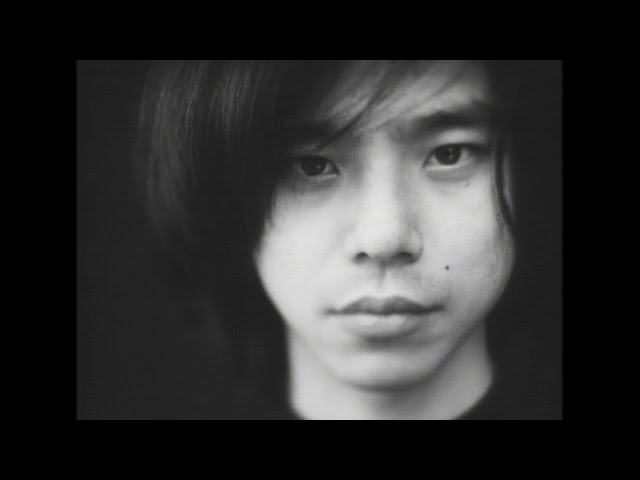
Elephant Kashimashi is a four-piece rock band whose trademark is Hiroji Miyamoto’s powerfully impactful vocals.
Their 15th single, “Koyoi no Tsuki no Yō ni,” created as the theme song for the TV drama “Because the Moon Shines at Night,” is widely known as one of the band’s signature tracks.
Its hook-laden melody, sung as if spilling straight from raw emotion, has a catchy quality that really grabs listeners’ ears even at karaoke.
With its evocative, lyrical worldview, it’s a rock tune that, if you can pull it off, is sure to make you more attractive.
