

A roundup of songs with titles starting with “Re.” Great for karaoke shiritori too!

How many songs that start with “Re” can you think of?
It’s surprisingly hard to recall them on the spot, isn’t it?
In this article, we’ve put together song titles that start with “Re,” focusing mainly on J-POP.
There’s even a karaoke shiritori game, so some of you may want to know songs evenly across all kana or add to your repertoire.
Feel free to use this as a reference.
You might even find yourself thinking, “Oh right, there was that song too,” and feel a touch of nostalgia.
- A compilation of Vocaloid songs whose titles start with ‘Re’
- A roundup of songs with titles starting with “Re.” Great for karaoke shiritori too!
- A classic song with a title that starts with “Ru”
- A roundup of songs whose titles start with the tricky letter “ro.” Perfect for shiritori and karaoke.
- Compilation of Vocaloid songs that start with 'Ri'
- Songs with titles that start with “Ri”
- Songs with titles that start with “Su.” A collection of tracks useful for shiritori.
- [Karaoke] A roundup of popular Japanese songs that start with the letter “Ra”
- Compilation of Vocaloid songs with titles starting with 'Ra'
- Songs with titles that start with “Chi.” Useful as hints for word-chain games!
- Songs with titles that start with “te.” Perfect for shiritori karaoke or song-title shiritori!
- Songs whose titles start with “Do” – Solo Karaoke / Song-Title Shiritori
- Vocaloid songs that start with 'Ru'
A compilation of songs with titles starting with “Re.” Great for karaoke shiritori too! (481–490)
REVOLUTIONiamSHUM & JapaRoLL
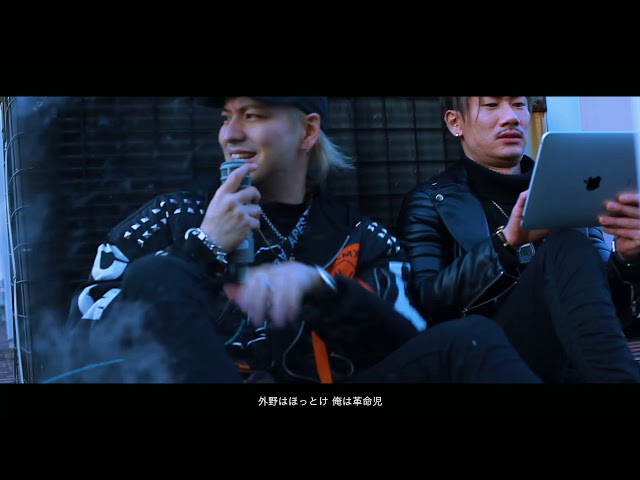
A Japanese DJ and producer supported by some of the world’s top DJs, including Martin Garrix, Hardwell, David Guetta, and Nicky Romero.
The collaborative track “Rodeo” with Ukrainian beauty DJ Juicy M drew worldwide attention by achieving the highest-ever chart position at the time for a Japanese EDM producer on the dance charts.
He then served as an exclusive A&R manager at JUMMP Records, which she runs, overseeing the scouting and development of emerging DJs and producers who would go on to global success.
This track was released in April 2019.
Collaborating with iamSHUM from Okinawa Prefecture, it reached No.
1 on the iTunes dance chart.
rem.sumika

This is a track from the album “Vital Apartment.” It features a beautifully melodic piano and a warm band sound that color the song vividly.
With stylish turns of phrase in the lyrics, it’s a modest little love song.
Let It Go ~As I Am~Ana to Yuki no Joō (Matsu Takako)
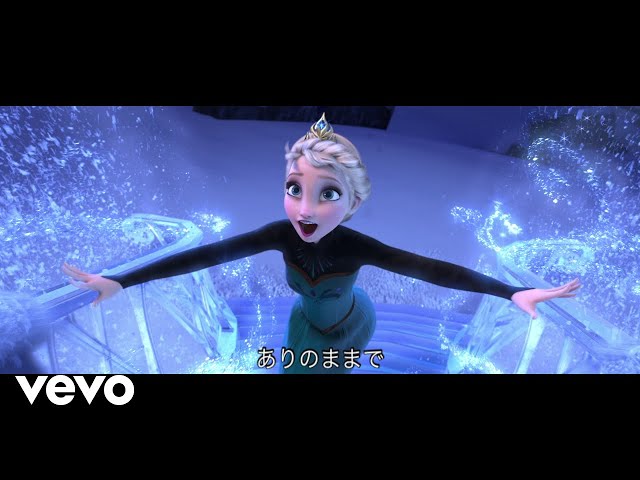
This is the theme song from the blockbuster film Frozen.
It’s a perfect song for a snowy Christmas.
It’s been covered and sung by many male and female singers, so it’s a song that both boys and girls can sing.
The key to singing it is to keep the beginning restrained and then belt out the chorus.
That way it’s sure to get everyone excited! Since everyone knows this song, you could even point the mic to the audience so they can all sing the chorus together.
LADY BLUEHisamatsu Fumina

She debuted in 1990, and as a female vocalist, her song “Angel’s Rest” became a major hit.
Having originally aimed to be a rock singer, she made her band debut overseas in 2000.
She’s an artist with a wonderfully passionate singing voice.
RequiemHisaishi Joe

This piece, titled “Requiem,” carries the meaning of a song for mourning the dead.
Its weighty, grounded piano arrangement and ambiguous melody leave a strong impression.
It powerfully elevates a crucial scene in the story where the protagonist, Ashitaka, is on the brink of losing his life.
It is a profound and convincing composition that conveys the gravity of a single human life.

Requiem IIHisaishi Joe
Among the pieces from Princess Mononoke, there are several versions of “Requiem,” and this is the second version.
The composition is almost the same, but the differences between versions lie in whether wind instruments are used and in subtle arrangement details.
This is the quietest arrangement in the Requiem series, and in the original it is performed without any wind instruments.
Requiem IIIHisaishi Joe
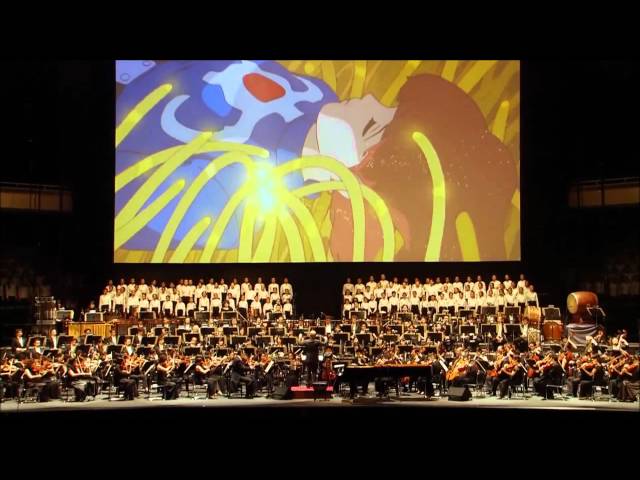
It’s the third piece in the Requiem series, and within the film it’s the requiem used at the very end.
Bearing the tagline “Live,” and given how frequently themes of life and death are portrayed throughout this movie, reflecting on the significance of creating a “Requiem,” meaning “song of repose,” across three installments seems to reveal the themes and messages Princess Mononoke seeks to express.