

![[For Band Beginners] What Are “Forward Rehearsal” and “Reverse Rehearsal”?](https://media.ragnet.co.jp/img/1200__png__https://www.studiorag.com/files/2024/02/85e3ad9e257e4f9ecfb66790f27c341b.webp)
[For Band Beginners] What Are “Forward Rehearsal” and “Reverse Rehearsal”?

A rehearsal conducted before the actual performance during a live appearance.
Especiallyband battle (a live show featuring multiple bands on the same bill)Did you know that there are two types of rehearsals held when performing in a formal setting: the “forward rehearsal” and the “reverse rehearsal”?
I would like to provide an explanation.
Forward rehab and reverse rehab
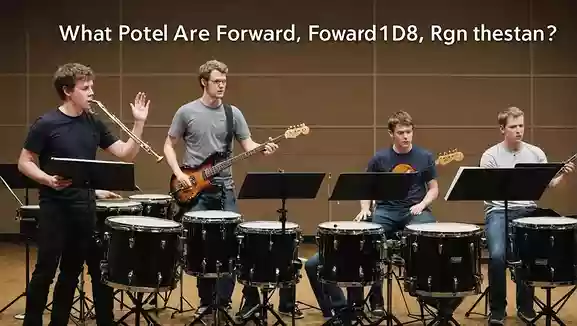
There are broadly two types of rehearsals at live music venues.
Rehearsals conducted in the order of performanceIt is called “jun-riha.”A rehearsal conducted in reverse order of appearanceThis is called reverse rehab.
Both the forward rehearsal and the backward rehearsal have their own advantages, so I’ll explain them in detail.
Benefits of stepwise rehabilitation
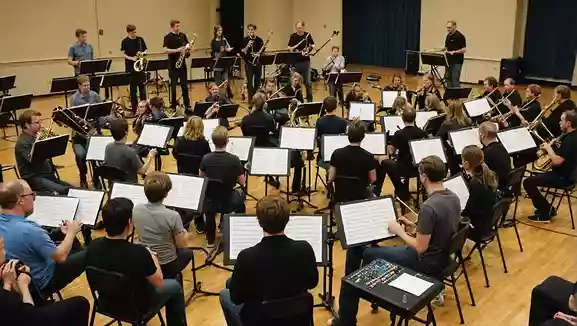
As I wrote a little earlier, a “jun-rehearsal” means conducting the rehearsal in the exact order of the actual performance.
By doing so, the performer'sThe amount of time under restraint will be drastically reduced.That is one of the advantages.
Also, by having the live house staff conduct the rehearsal in the same sequence as the actual show, they can check things like equipment placement during set changes in a real-world flow, which makes adjustments to equipment placement on the day run smoothly.
Benefits of reverse rehearsal
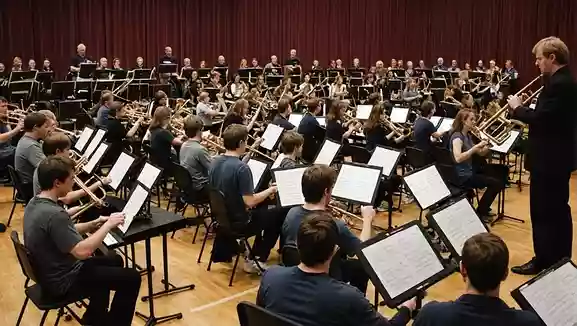
It might be more common for live houses where bands often perform to do reverse sound checks.
A reverse rehearsal is when you rehearse in the opposite order of the actual performance lineup.
In other words, the headlining band rehearses first, and the band performing first rehearses last.
By doing this, the band that rehearses last will be the same band that performs first in the actual show,Omit one band's worth of equipment rearrangement.I can.
Do irregular rehearsals exist too?!
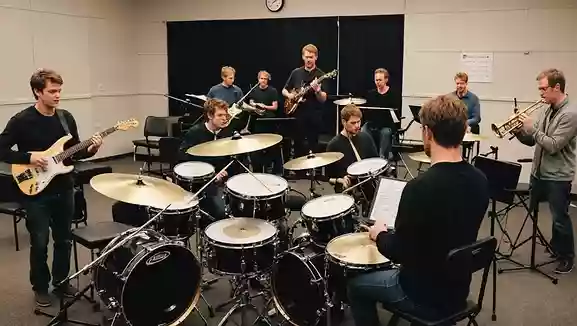
Besides the forward rehearsal and reverse rehearsal I mentioned earlier, we sometimes do irregular rehearsals as well.
For example, you can run soundcheck in the normal order from the second band on the bill to the headliner, and then do the top batter’s band last. That way, you won’t need to change over equipment.
I think this makes a lot of sense because it offers the benefits of both reverse rehearsal and forward rehearsal.
In other cases—for example, if the band is on tour and traveling—the rehearsal time may be scheduled later to account for travel time, and the performance may be set for an earlier time.
In conclusion
I often have opportunities to interact with people who have just started a band, and I frequently see them looking nervous during rehearsals.
Some people even panic over monitors or microphones.
Just keeping in mind the differences between forward rehearsals and reverse rehearsals might help your first rehearsal go more smoothly.