



Rockabilly, often said to be the origin of rock ’n’ roll.
Born in the United States in the 1950s, this music is characterized by an energetic, wild sound that fuses country music with rhythm and blues.
Its brisk rhythms and simple yet powerful melodies have continued to influence countless artists across generations.
Maybe you’ve heard of rockabilly but aren’t sure which songs to start with.
In this article, we’ll introduce classic and popular tracks that let you fully experience the appeal of rockabilly.
Immerse yourself in these gems where nostalgia and freshness coexist!
- [50s–60s] A Collection of Rock ’n’ Roll Classics
- [Japanese Rockabilly] A Spotlight on Japanese Rockabilly Songs and Musicians
- The 1970s were the golden age of Western rock! Recommended classics and hit songs
- Summary of Western music artists representing rockabilly
- [Oldies] A collection of nostalgic hit songs from Western music of the 1950s
- Start here! A roundup of classic and signature songs of overseas psychobilly
- Great Western rock classics and hit songs of the '60s
- Nostalgic yet fresh!? Classic masterpieces of Japanese rock from the 1970s and 1980s
- Legendary Japanese rock masterpieces and hit songs of the 1960s
- Revival hits driven by social media! Classic Showa-era songs popular with Gen Z
- Cool songs from the Showa era. Masterpieces from Showa that shine with sensuality, passion, and rugged charm.
- Recommended Western music for men in their 50s: world classics and popular songs
- Rock 'n' Roll Japanese Band Special [Japanese Rock]
[The Roots of Rock ’n’ Roll!] Must-Listen Rockabilly Classics and Fan Favorites (1–10)
Somethin’ ElseEddie Cochran
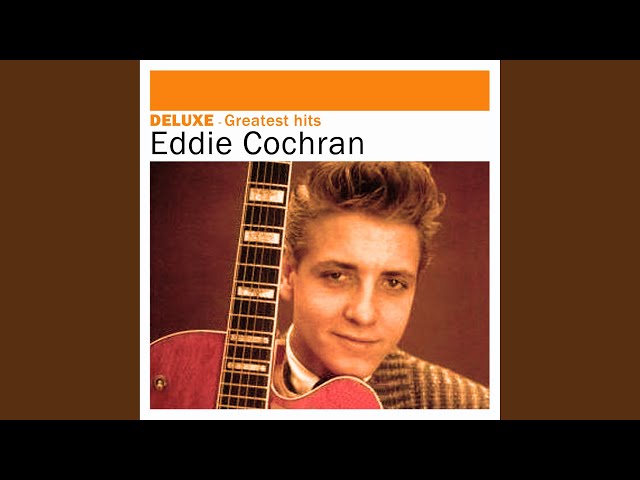
Eddie Cochran, the legendary rocker who passed away at the young age of just 21.
His classic “Somethin’ Else,” released as a single in July 1959, had a profound impact on later rock scenes.
The song captures the down-to-earth feelings of a young man who longs for a girl out of his league and a fancy car, working hard to get closer to his dreams—an anthem that sent the youth of the time into a frenzy.
Interestingly, the track is also known for being covered by the Sex Pistols in the film The Great Rock ’n’ Roll Swindle.
Its raw, must-hear guitar sound—often hailed as a root of punk—stands out, so be sure to savor the allure of the original while soaking in a sense of rock history.
That’s All RightElvis Presley
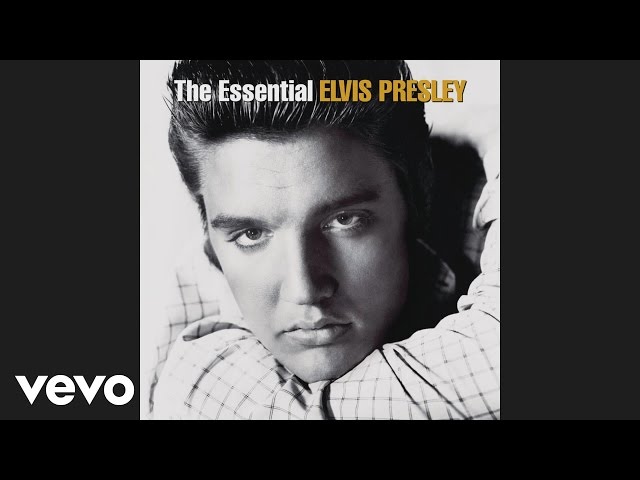
Released in 1954, the great blues singer Arthur Crudup’s classic “That’s All Right.” Crudup wrote songs for many major artists, and this one is among his most famous.
Originally, he released it as a blues number titled “That’s All Right, Mama,” with almost no change in content, but it didn’t sell well.
Later, he reworked it to offer to Elvis Presley, and it became a massive hit.

That’ll Be The DayBuddy Holly & The Crickets

A band indispensable to any telling of rock ’n’ roll history, Buddy Holly and the Crickets.
The track I’d recommend as the song that made their name resonate around the world is this one, also included on the classic album The “Chirping” Crickets.
Released as a single in 1957, its lyrics—hinted at by a line from a film—portray a man’s bittersweet feelings as he puts on a brave face while sensing an impending breakup.
Buddy Holly’s catch-in-the-voice singing style meshes perfectly with the lively beat.
It’s also famous for being used in the 1973 film American Graffiti, and it continues to be beloved by many as a song that symbolizes the youth culture of its time.
The Train Kept A Rollin’Johnny Burnette Trio

As a representative rockabilly band, the Johnny Burnette Trio enjoyed great popularity.
Though their activity lasted a mere five years, from 1952 to 1957, they left behind many classic songs in that short span.
One I’d like to highlight is The Train Kept A-Rollin’.
At the time of its release, distorted guitar was rarely used, making this track a precious example of rockabilly that prominently features that distorted guitar sound.
Do Me No WrongPat Cupp

Pat Cupp, who was active in Arkansas and switched to rockabilly after meeting Elvis Presley in person, was a singer who left a powerful impression despite his brief career.
A standout track I highly recommend is Do Me No Wrong.
It’s a burst of early rockabilly energy, blending earnest lyrics that plead with a lover—“don’t betray me”—with a raw, slapping bass.
Recorded in May 1956 and released as a single on RPM Records, there are very few surviving recordings by Pat Cupp and the Flying Saucers, giving him a cult following among aficionados.
It’s a must-listen for anyone who wants to experience a pure rockabilly sound.
Mean Mean ManWanda Jackson

Wanda Jackson, who emerged in the male-dominated rock scene of the 1950s and etched her name in history as the “Queen of Rockabilly.” Encouraged by Elvis Presley to switch from country, she delivers a track defined by its husky, aggressive vocals.
Through her own lyrics and wild singing, she brilliantly captures a woman’s heart—frustrated with a selfish lover yet unable to stop loving him.
Released as a single in 1958 and later included on the album Rockin’ with Wanda, the song gained renewed attention in recent years after being featured in the drama The End of the F***ing World.
Its snappy rhythm and passionate shouts make it perfect for when you want to feel energized.
Black CadillacJoyce Green

Joyce Green, a rockabilly singer from Arkansas with a devoted cult following.
She was active in the late 1950s and left behind only a single record, yet became a legend thanks to her powerful individuality.
The song I’d like to introduce as her signature piece is Black Cadillac.
Centered on the motif of a foreboding black car and tackling provocative themes that evoke death and defiance, it appeared on a single released in March 1959.
With an unusually fierce sound for a female singer of the time, it’s still celebrated among dedicated rockabilly fans today.
Brimming with a raw energy that also resonates with garage punk, it’s a must-listen for anyone seeking something thrilling.