

[2026] Brazil’s National Music! A Collection of Iconic and Popular Samba Songs

When you think of samba, it’s known as a quintessential Brazilian music genre, but many people might actually picture it as a catch-all for dance and carnival.
In this article, we’ll introduce a curated selection of classic samba masterpieces—spotlighting samba as a music genre that many feel familiar with but don’t fully know.
From timeless classics to tracks by contemporary artists who have modernized samba and pagode since the 2010s, we’re delivering a richly varied lineup.
Listening to the songs featured here might just change the way you think about samba.
Enjoy!
- A roundup of great masterpieces and popular songs of Brazilian music
- [2026] A Guide to Bossa Nova: From Classic Standards to the Latest Hits!
- Recommended Latin Music | Introducing Stylish Masterpieces
- Popular bossa nova songs: a roundup of recommended classic BGM
- [Famous Songs of the World] A curated introduction to soul-stirring popular Latin mambo tracks
- Recommended Brazilian artists: Popular international singers and singer-songwriters
- [2026] A roundup of recommended bands from Brazil
- Classic salsa songs. Recommended popular tracks.
- Mexican Music | Energetic Latin Tunes Make an Appearance!
- [2026] Brazil’s National Music! A Collection of Iconic and Popular Samba Songs
- Carefully selected Japanese songs with a Latin flavor! Recommended J-POP brimming with exotic vibes
- [2026] Moving Western songs that touch the heart: A roundup of recommended classics
- Cool! Introducing classic masterpieces of Argentine tango
[2026] Brazil’s National Music! A Collection of Famous and Popular Samba Songs (11–20)
Camarao Que Dorme A Onda LevaZeca Pagodinho

Anyway, please watch the video I posted here.
Seeing so many stars from the Brazilian music scene join in and sing along to the rhythm so joyfully will make you smile, even if you’re not familiar with Brazilian music.
The song “Camarão Que Dorme a Onda Leva” was created by Zeca Pagodinho, a leading figure in the samba-pagode world, and Arlindo Cruz, who was active as a member during the glory days of Fundo de Quintal, and it was provided to Beth Carvalho.
It’s a lively, irresistibly dance-inducing number that feels like the essence of classic samba-pagode.
Zeca and Arlindo each perform solo versions, but if you want to hear the original, check out Beth’s 1988 album “Toque de Malícia”!

Tá EscritoGrupo Revelacao

The song by Grupo Revelação, a major presence in Brazil’s music scene, is characterized by lyrics filled with hope and conviction.
While inheriting the traditions of samba and pagode, this work adds modern arrangements, featuring a warm, deeply resonant melody.
The lyrics, which sing of the courage to face hardships and the importance of self-belief, brim with a casual charm that feels as if they’re speaking directly to the listener.
Released in 2014, the track is beloved by many fans as one of Grupo Revelação’s signature songs.
It’s perfect for times when you’re feeling down or need a boost—give it a listen.
Barracão de ZincoElizeth Cardoso

Elizeth Cardoso, known as the “Lady of Song” and the “Queen of Samba-Canção,” is a truly national singer who continues to be revered as a treasure of Brazilian music.
In Japan as well, her early recordings were released under the Japanese title “Queen of Samba Kayō,” and she is recognized as indispensable when discussing the genre of samba.
Her song “Barracão” is one of the signature pieces of her life and is renowned as a classic of samba.
Words can hardly describe the magnificence of her voice as she conveys lyrics that depict harsh realities with overwhelming vocal power.
Be sure to listen to the version on “Ao Vivo Teatro João Caetano,” which captures the concert held at the João Caetano Theater in February 1968—often hailed as the greatest live performance in Brazilian music history.
The percussive, passionate bandolim accompaniment and Elizeth’s singing are nothing short of overwhelming and sublime.
Insensato DestinoAlmir Guineto
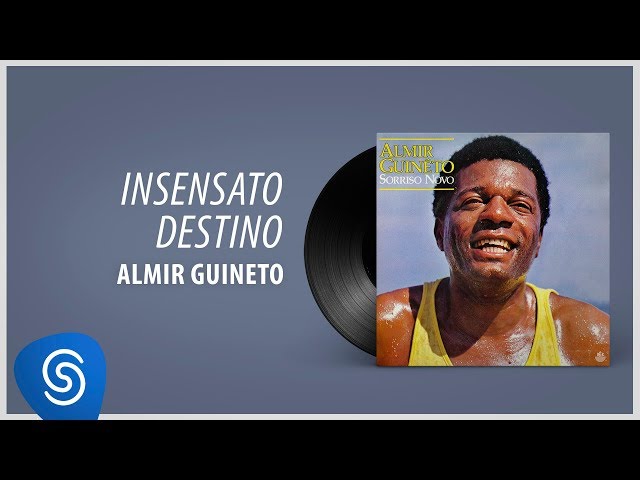
Let us introduce a moving masterpiece from Almir Guineto, a towering figure of Brazilian samba.
Featured on his album “Sorriso Novo,” released in January 1985, this song poignantly sings of heartbreak and the impermanence of life.
With vocals steeped in deep emotion and a passionate melody, it grips the listener’s heart.
The bittersweet lyrics, carried by a samba rhythm, offer comfort and resonance to anyone who has experienced a broken heart.
Celebrated as one of Almir’s signature songs, it has earned high acclaim both in Brazil and abroad.
A highly recommended track for those troubled by love or standing at a crossroads in life.
Meu LugarArlindo Cruz

Arlindo Cruz, who led the golden era of Fundo de Quintal—the prestigious group in the samba/pagode world—even after leaving the band has enjoyed immense popularity as a solo artist and is also a great songwriter who has given the world many classic samba tunes.
The song featured here, Meu Lugar, appears as the opening track on SAMBISTA PERFEITO, a solo album released in 2007 composed entirely of previously unreleased songs from his career.
The Japanese title of the album is “The Perfect Sambista,” and the title alone exudes confidence in his identity as a sambista.
From the calm opening into a chorus that radiates euphoria, the song’s masterful development, along with lyrics that straightforwardly sing of love for his hometown as the title suggests, make it a quintessential and exquisite pagode.
The real joy of samba is, after all, belting out the chorus together, and this track seems to possess a melody that satisfies that urge perfectly.
Vou FestejarBeth Carvalho

When you think of samba, you might picture Black music, but Beth Carvalho, the legendary samba singer from Rio de Janeiro, was a white artist who helped spread samba and pagode around the world.
In her youth, Beth reportedly sang bossa nova, but she later devoted herself to samba, becoming a major samba singer.
She is also known as a catalyst of the pagode boom—she hired members of Fundo de Quintal, a quintessential pagode band, as backing musicians for her shows.
She’s a beloved figure in Japan as well, recognized as a great musician.
Vou Festejar, with its beat that makes both heart and body want to dance, chorus brimming with a festive atmosphere, and her soaring vocals, is a hit that opens her 1978 album De Pé No Chão.
Later, Fundo de Quintal released a live album with the same title, featuring a version performed with Beth—definitely worth checking out!
[2026] Brazil’s National Music! A Roundup of Famous and Popular Samba Songs (21–30)
Com que Roupa ?Noel Rosa

This is Noel Rosa, a samba musician who was active in the 1930s.
He began composing in his teens, and this is his signature song, which became a major hit in 1931.
Suffering from tuberculosis, he passed away in 1937 at the young age of 26.