

[2026] Brazil’s National Music! A Collection of Iconic and Popular Samba Songs

When you think of samba, it’s known as a quintessential Brazilian music genre, but many people might actually picture it as a catch-all for dance and carnival.
In this article, we’ll introduce a curated selection of classic samba masterpieces—spotlighting samba as a music genre that many feel familiar with but don’t fully know.
From timeless classics to tracks by contemporary artists who have modernized samba and pagode since the 2010s, we’re delivering a richly varied lineup.
Listening to the songs featured here might just change the way you think about samba.
Enjoy!
- A roundup of great masterpieces and popular songs of Brazilian music
- [2026] A Guide to Bossa Nova: From Classic Standards to the Latest Hits!
- Recommended Latin Music | Introducing Stylish Masterpieces
- Popular bossa nova songs: a roundup of recommended classic BGM
- [Famous Songs of the World] A curated introduction to soul-stirring popular Latin mambo tracks
- Recommended Brazilian artists: Popular international singers and singer-songwriters
- [2026] A roundup of recommended bands from Brazil
- Classic salsa songs. Recommended popular tracks.
- Mexican Music | Energetic Latin Tunes Make an Appearance!
- [2026] Brazil’s National Music! A Collection of Iconic and Popular Samba Songs
- Carefully selected Japanese songs with a Latin flavor! Recommended J-POP brimming with exotic vibes
- [2026] Moving Western songs that touch the heart: A roundup of recommended classics
- Cool! Introducing classic masterpieces of Argentine tango
[2026] Brazil’s National Music! A Roundup of Famous and Popular Samba Songs (21–30)
Juízo FinalNélson Cavaquinho

This is Nélson Cavaquinho, a samba singer who took his name from the cavaquinho, a guitar-like string instrument used in samba and choro.
He has many well-known songs, and this one is among the most popular.
Samba da BençãoVinicius de Moraes
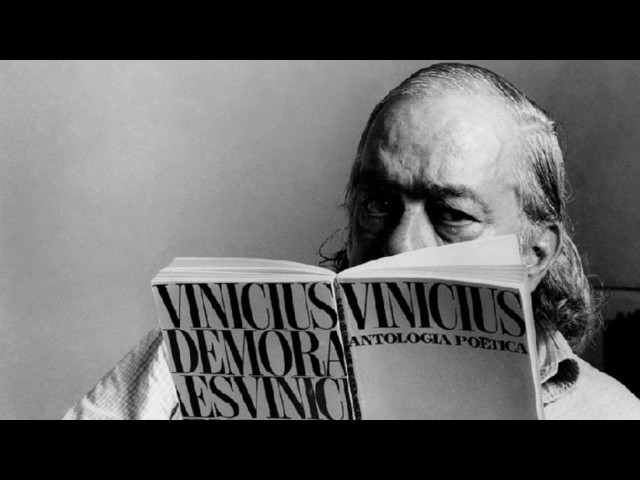
This song, celebrated as a masterpiece by Vinicius de Moraes—a star who shines brilliantly in the history of Brazilian music—beautifully captures the essence of samba.
The lyrics, showcasing his full talent as a poet, portray samba not merely as music, but as a form of prayer that embraces both the joys and sorrows of life.
Created in the 1960s, the piece is positioned as part of the Afro-Samba series by Vinicius and Baden Powell, opening up new horizons in Brazilian music.
Featured on the soundtrack of the film “A Man and a Woman,” the song drew international attention and is highly recommended as an introduction to the allure of samba.
[2026] Brazil’s National Music! A Compilation of Classic and Popular Samba Songs (31–40)
Malandro é Malandro e Mané é ManéBezerra da Silva

The “malandro,” dressed to the nines in a white suit and swaggering stylishly through the backstreets of Rio de Janeiro, is a beloved figure even here in Japan and is said to be a fixture in samba parades.
A towering presence among these malandro sambistas is Bezerra da Silva.
Known for lyrics that capture politics and social issues from a street-level perspective, he truly deserves to be called a heavyweight of downtown samba.
The song featured in this article, Malandro É Malandro E Mané É Mané, is the title track of an album released in 2000.
Its light samba rhythm and catchy chorus, paired with a weathered, cool-as-ice vocal delivery that radiates a timeless “bad-boy” vibe, are irresistibly stylish.
Even the album jacket—showcasing Silva’s lifelong dedication to the malandro ethos—is fantastic, so be sure to check it out!

Samba TristeBaden Powell
Samba exists not only with vocals but also as instrumental pieces.
The song featured here, “Samba Triste” (also known in Japan as “Sad Samba”), is an all-time classic composed by Baden Powell, one of Brazil’s most representative guitarists, when he was just 19.
With his exceptional guitar technique and talent as a composer, Powell profoundly influenced later generations of artists and is also known for creating many bossa nova masterpieces.
As for “Samba Triste,” its guitar playing, built on a rhythm brimming with samba’s characteristic vitality while spinning a melody that is both wistful and passionate, is nothing short of spectacular.
It conveys a raw allure you won’t find in more refined bossa nova.
Here’s to a performance worth sitting down for and savoring in earnest!
O Sol NasceraCartola

It’s a signature song by Cartola, the legendary samba composer, included on his 1974 debut album.
While samba often evokes the glamorous image of flashy carnivals, there are also many deeply evocative pieces that slowly seep into the heart.
CarinhosoPixinguinha
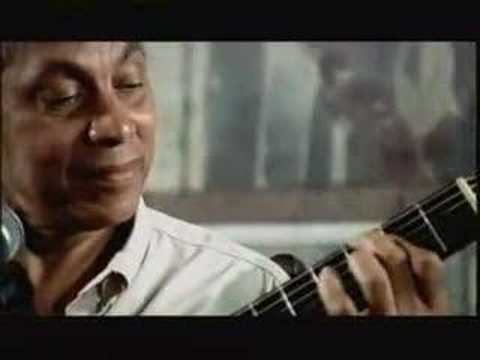
When it comes to Brazil’s national music, samba is the first thing that comes to mind.
Among the genre’s classics, let me introduce a piece by Pixinguinha.
Hailing from Brazil, he is known as a musician who had a profound influence on the development of choro and samba.
This work became a huge hit in 1937 thanks to Orlando Silva, and in 2009 it was recognized as the third greatest song in Brazil.
Its lyrics, which poignantly express pure affection, resonate deeply with listeners.
It’s a song that feels as if it’s speaking tenderly to a loved one, while also conveying the sorrow of love that cannot always be fulfilled.
Highly recommended for anyone who wants to fully savor the charm of samba.
Casa de BambaMartinho da Vila

This is “Casa de Bamba,” a signature song by Martinho da Vila, a leading figure in the Brazilian samba scene who played a key role in the samba revival of the 1970s.
It’s a quintessential samba track, perfectly suited for Brazil’s Carnival.