

Hit and popular songs by Kenji Sawada

Let me introduce the songs of Kenji Sawada, a male singer who represents the Showa era.
Even if you didn’t listen to them in real time, you’ve probably heard several of his songs at least once, such as “Katte ni Shiyagare” and “TOKIO.”
Kenji Sawada began his career in the 1960s, during the heyday of Group Sounds, debuting as the lead vocalist of The Tigers, a central band in the Group Sounds scene.
His nickname is “Julie,” which is said to come from the fact that he was a fan of the actress Julie Andrews.
Now, please enjoy these masterpieces that dominated the Showa-era pop scene.
- Kenji Sawada Popular Song Rankings [2026]
- Karaoke Ranking of Popular Kenji Sawada Songs [2026]
- Masterpieces and popular songs by Keisuke Kuwata
- Hit and popular songs by Kenji Ozawa
- Showa-Era Wedding Songs: A Timeless Collection to Grace Your Ceremony
- JUNRETsu’s classic and popular songs
- Sawada Chikaco Popular Songs Ranking [2026]
- A lineup of classic hits! Karaoke songs recommended for the yutori generation
- The Tigers’ Most Popular Songs Ranking [2026]
- A roundup of classic Showa-era kayō songs: a comprehensive introduction to timeless tracks loved across generations.
- [Classic Showa Kayō Hits] The captivating Showa-era pop songs beloved even by younger generations
- I Want to Sing at Karaoke! A Roundup of Recommended Oldies Classics and Popular Songs
- Songs by Showa-era idols that you’ll want to listen to now, in the Reiwa era!
Kenji Sawada’s Masterpieces and Popular Songs (11–20)
Do whatever the hell you want.sawada kenji

This was his 19th single, a signature work that swept the year’s award circuit, including the 19th Japan Record Awards and the 8th Japan Kayō Awards, and became his second-best-selling single.
They say it was the first time in history that someone won the Japan Kayō Awards twice.
In addition to his powerful vocals, the choreography—meticulously pursuing dandyism—fueled its popularity, and the climax performance of tossing his hat into the audience became a hot topic.
You can sense a hint of homage in songs like Momoe Yamaguchi’s “Playback Part 2” and Southern All Stars’ “Katte ni Shindobaddo (Katteni Sindbad).”
samuraisawada kenji

The 22nd single.
It’s a work that condenses the “masculine dandyism” seen since “Katte ni Shiyagare,” coming together as a full-throttle rock ballad.
It drew attention for a performance featuring a glittered see-through undershirt paired with a Nazi-style leather jacket, culminating in pulling a dagger from the waist and brandishing it at the climax.
Casablanca Dandysawada kenji
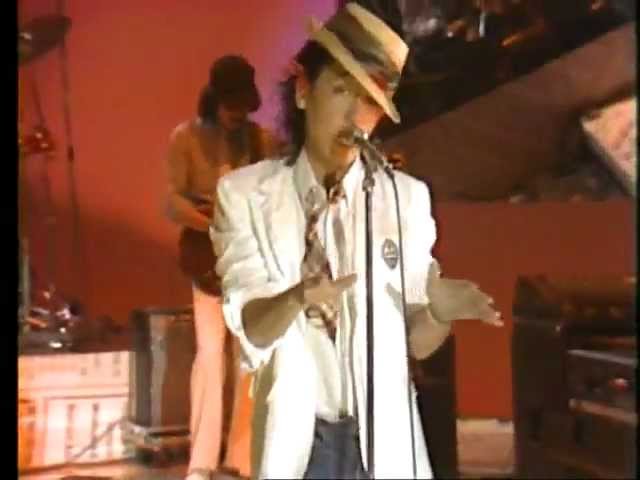
This is the 26th single by Kenji Sawada, a male singer who epitomizes the Showa era.
Released in February 1979, the song was a major hit, reaching No.
1 on The Best Ten.
The lyrics were written by Yū Aku, renowned as one of the greatest lyricists in Japanese popular music.
Among Kenji Sawada’s fans, it’s often praised as “the lyrics are just so good,” and is considered a classic.
That said, the song portrays a complex relationship between a man and a woman.
Many listeners at the time were reportedly shocked by the sensual vocals that repeatedly express raw, straightforward emotions.
It’s said that the piece was inspired by the film Casablanca.
I’ll sprinkle you with wine tonight.sawada kenji

This song is packed with Kenji Sawada’s appeal.
The lyrics, which portray deep love and bittersweet feelings for a lover, are striking, and Julie’s emotionally rich vocals enhance the song’s world even further.
Released in 1978 as the B-side to “Samurai,” it was also used in a commercial for Kikkoman Man’s Wine.
The track is included in Kenji Sawada’s best-of series “ROYAL STRAIGHT FLUSH,” and it was issued on CD in March 2005.
It’s a perfect song to listen to on a special night with someone important, a glass of wine in hand.
Highly recommended for those who want to feel both the joys and sorrows of love.
A Dangerous Pairsawada kenji

This was his sixth single and the first to reach No.
1 on the Oricon chart.
After going solo, he seemed to lag somewhat relative to the buzz for a while, but this song instantly dispelled that image and propelled him to the forefront of the male pop scene as an ace distinct from the idol crowd, even as the “New Big Three” were on the rise.
Winner of the 4th Japan Kayō Awards.
I don’t even feel like saying goodbye.sawada kenji

The 18th single.
Amid a release pattern that alternates between rhythmic rock/pop numbers and emotionally rich ballads, this track successfully fuses both elements.
The high notes in the chorus are striking and are often used as material for impersonations.
Kenji Sawada's Classic and Popular Songs (21–30)
Carrying Yousawada kenji

Her solo debut song and an entry in the Nemunoki-no-Sato Popular Festival.
It became a fine work that erased her idol-like image from the Group Sounds era and left a strong impression with the remarkable growth she showed as a vocalist.
In 1990, she re-recorded it herself for use as a Honda Today commercial song.