



How about taking on a fun brain-training challenge with an association game that’s hugely popular among elementary school students? Association game questions not only cultivate concentration and imagination, but also let friends have a great time together—and they play a big role in children’s development.
This time, we’re introducing association game questions that are perfect for the classroom, recess, or family time! From easy ones to those that make you think a bit, we’ve gathered enjoyable content from a variety of genres.
Association games naturally foster vocabulary, imagination, and thinking skills.
- Association Game: Deduce the Answer from Four Hints! A Fun and Addictive Puzzle Collection
- Fun quizzes for elementary school kids: a collection of questions everyone can enjoy together
- A collection of gesture-game prompts for elementary school kids: fun ideas to liven up class parties and children's gatherings.
- Quiz for elementary school students: Easy! Fun! Question collection
- [Easy] Quizzes That Elementary School Students Can Solve! A Collection to Nurture Wisdom
- Fun Quiz Collection Guaranteed to Stump and Delight Elementary School Kids
- [For Kids] Have Fun with Three-Hint Quizzes! A Workbook to Build Thinking Skills
- Loosen up your mind! Boost creativity with lateral thinking quizzes for elementary school students
- [For Elementary School Students] Brain Teasers with Wordplay! An Engaging Collection of Fun Problems
- [For Elementary School Students] Recommended Riddle Collection
- Become a trivia master with a multiple-choice quiz for elementary schoolers! A fun problem collection that captivates both kids and adults
- A four-character idiom quiz that elementary schoolers will love! Questions become fun once you understand the meanings
- Recommended for lower grades! A fun, educational quiz for elementary school students
A collection of word-association game questions that will excite elementary school students! Fun quizzes that also serve as brain exercises (1–10)
Autumn / rabbit / dumplings / pampas grass

See the answer
Moon viewing
Otsukimi is an old-fashioned event where people admire the autumn full moon and decorate with rice dumplings and pampas grass. The legend of the rabbit on the moon is also famous, right? There isn’t a fixed date for Otsukimi; it’s set as the day when the full moon appears between September 7 and October 8. Since rice begins to ripen around the night of the full moon (Jugo-ya), it’s said to carry wishes for a good harvest as well. But more than anything, we’re all really thinking about the dumplings, aren’t we?
World / Sports / Medal / Five Rings

See the answer
Olympics
The Olympics are also famous for their symbol featuring five interlocking rings. It is a festival of sports held once every four years, bringing together countries from around the world. The design of the so-called five rings was conceived by Pierre de Coubertin, the founder of the modern Olympics. That design represents people coming together from the five continents: Asia, Africa, Oceania, Europe, and the Americas.
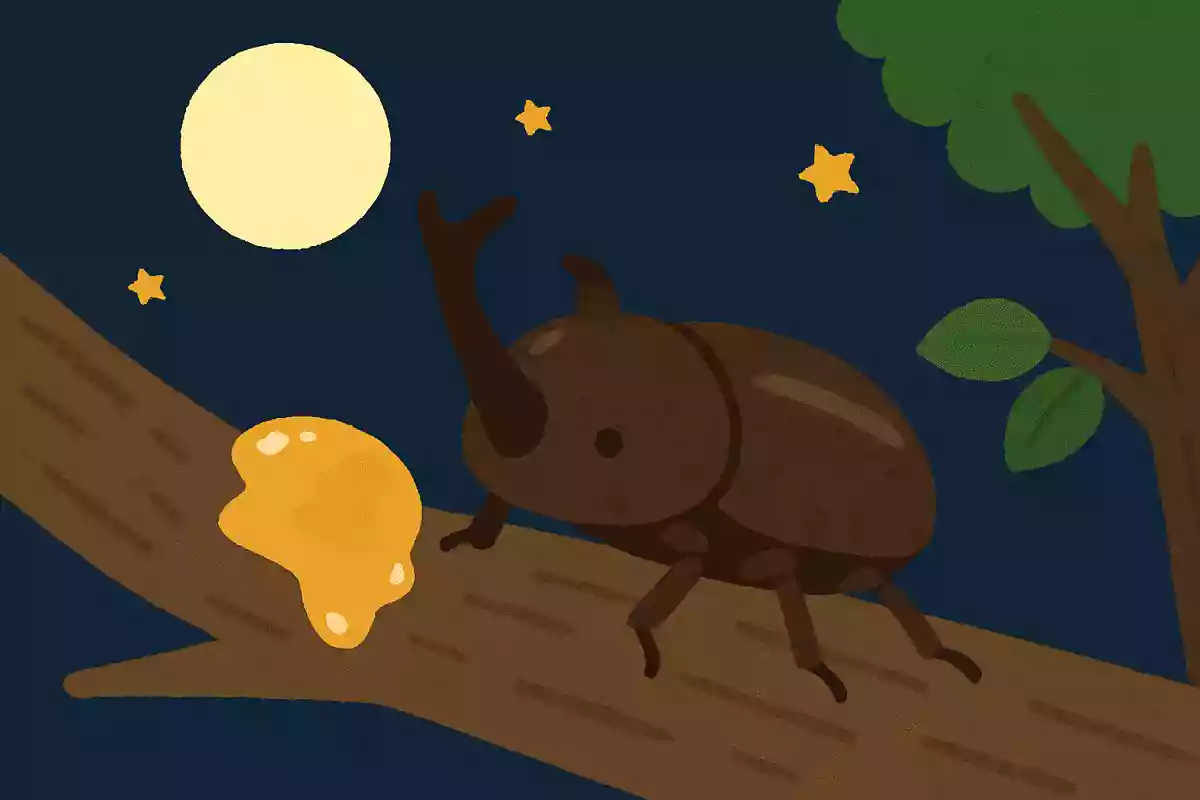
Summer / Males have one long horn / Nocturnal / Likes tree sap
See the answer
beetle (specifically, a rhinoceros beetle)
The rhinoceros beetle is an insect often seen in summer, and males have a large single horn. They are nocturnal and prefer tree sap. Despite their cool shape, rhinoceros beetles are actually members of the scarab family. They’re quite a tough-looking scarab, aren’t they? It’s said there are five species in Japan and as many as 1,600 species worldwide. I’d love to see them all!
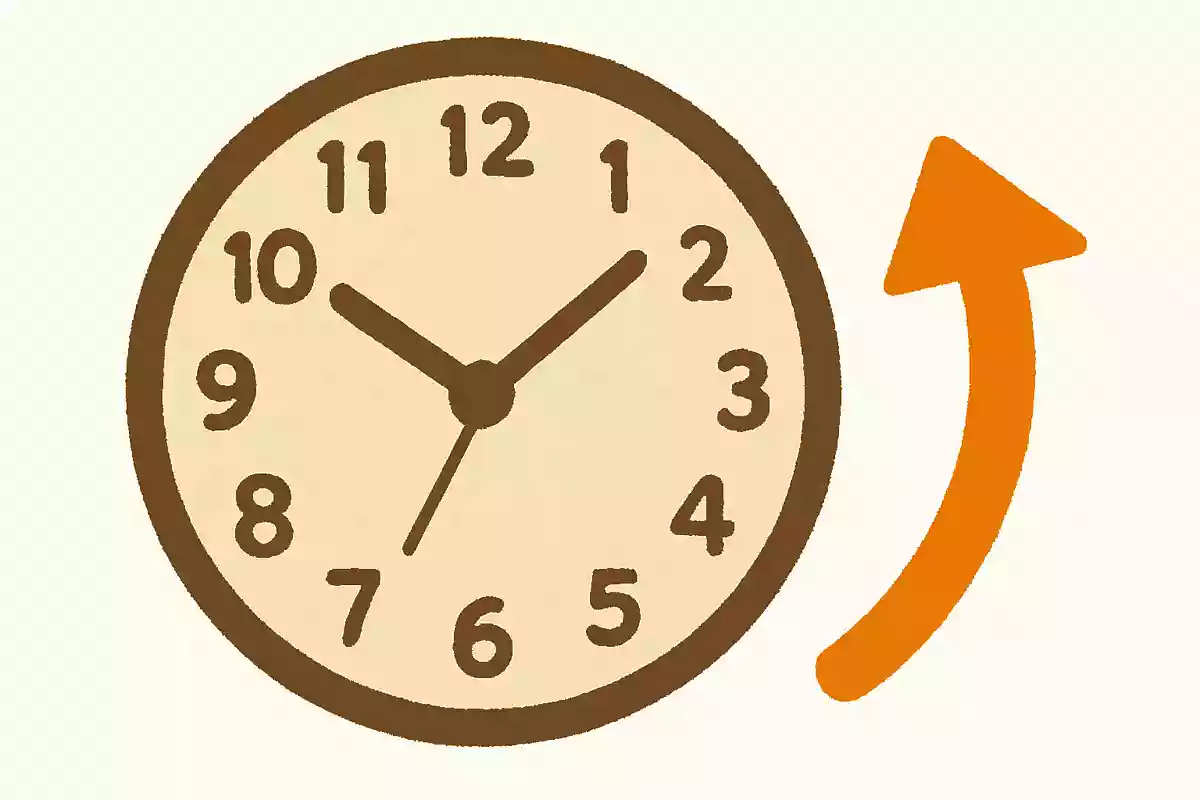
numbers / needle / moving clockwise / hard worker
See the answer
clock
Clocks have numbers written on them, hands attached, and they move clockwise. They’re the hardest-working ones, always doing their best to tell us the time! The idea of the 24 hours a clock marks out originated in ancient Egypt. They first divided a day into daytime and nighttime, observing the sun’s movement for the day and the stars’ movement for the night, and split each into 12 parts. If you’re curious, search for “sundial” to explore the topic further!
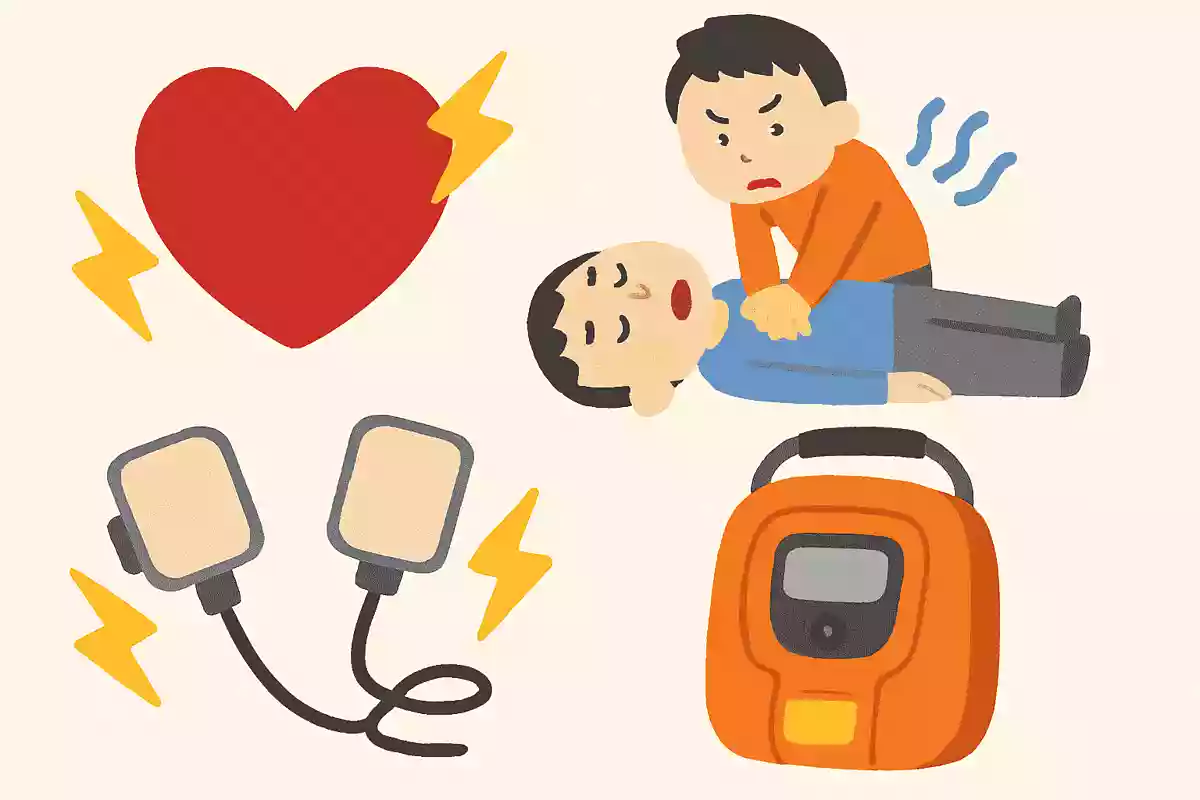
heart / electric shock / lifesaving / medical device
See the answer
AED
AED stands for automated external defibrillator. It is a medical device that delivers an electric shock when the heart stops to restore a normal rhythm. They are often installed in public places such as train stations and schools. Many people may have learned how to use one in health class or integrated studies at school. It’s a good idea to review so you’re always prepared to use it.
bamboo grass / tanzaku (paper strips for wishes) / wish / somen (thin wheat noodles)

See the answer
Tanabata
The answer derived from these keywords is the traditional event held on July 7th, Tanabata. We arrive at this answer because, during Tanabata, people decorate bamboo branches with tanzaku (strips of paper) on which they write their wishes, and they also eat somen noodles as a representation of the Milky Way, the setting of the Tanabata story.

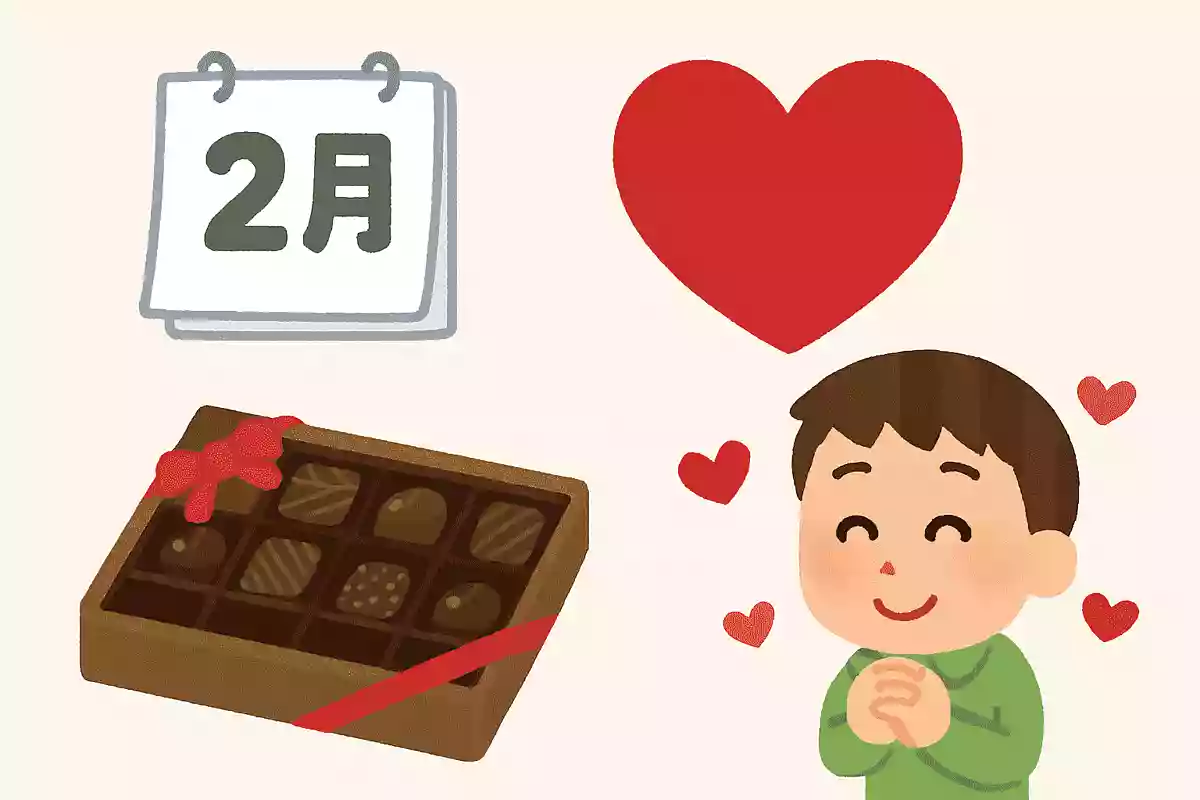
February / heart / chocolate / the person I like
See the answer
Valentine
The word associated with each keyword is “Valentine.” Valentine’s Day is an event in February, and as it approaches, hearts and chocolates start to stand out in stores. Also, since those chocolates are meant to convey your feelings to someone you like, they naturally bring Valentine’s Day to mind.