

[For Elementary School Students] Deepen Your Knowledge of Sengoku Warlords with a Country-Conquest Quiz

The “Territory-Conquest Quiz” lets you enjoyably learn about warlords from the Sengoku period.
Familiar figures for elementary school students—like Oda Nobunaga, Toyotomi Hideyoshi, and Tokugawa Ieyasu—make an appearance.
From general questions about castles and battles to famous sayings such as “send salt to your enemy” and “If the cuckoo won’t sing, kill it,” as well as their favored weapons, you can discover surprising sides of these leaders that you won’t find in history textbooks.
Why not deepen your interest in Japanese history by tackling the quiz in a playful, game-like way?
- Let’s learn history! A collection of Sengoku quiz questions from the nation-conquest battles
- Let’s take on the challenge! A multiple-choice history quiz for elementary school students. Review your history lessons.
- [For Elementary School Students] Fun and Effective Prefecture Quiz
- Recommended for lower grades! A fun, educational quiz for elementary school students
- Recommended for upper grades! A fun, educational quiz for elementary school students
- [For Elementary School Students] Country Names in Kanji Quiz. A quick, fun quiz
- [For Elementary School Students] Nagano Prefecture Local Quiz! Three-Choice Questions to Enjoy Learning About History and Nature
- Recommended for elementary school students! Trivia quiz you'll want to share once you know it
- [For Elementary School Students] Collection of Local Quizzes from Gifu Prefecture
- [For Elementary School Students] Challenge! Kyoto Local Quiz
- A four-character idiom quiz that elementary schoolers will love! Questions become fun once you understand the meanings
- Fun quizzes for elementary school kids: a collection of questions everyone can enjoy together
- Become a trivia master with a multiple-choice quiz for elementary schoolers! A fun problem collection that captivates both kids and adults
[For Elementary School Students] Deepen Your Knowledge of Sengoku Warlords with the Country-Conquest Quiz (1–10)
Which of the following weapons was Toshiie Maeda skilled at using?
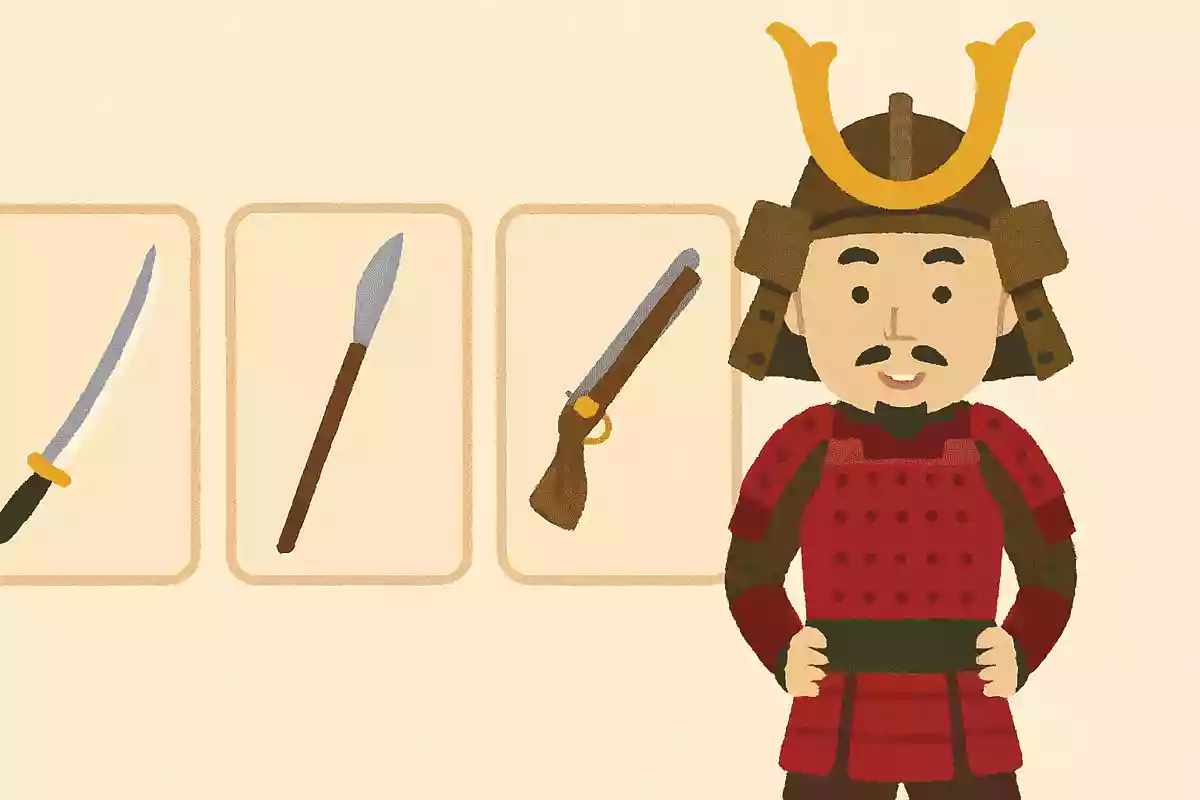
- spear
- plural suffix; indicates plurality or group (e.g., 私たち = we/us)
- Yumi
See the answer
spear
Toshiie Maeda was a military commander of the Sengoku period and was famous as a master of the spear. He was especially known by the nickname “Spear Mataza,” renowned for his exceptional skill in spear techniques. The spear is a weapon with a blade attached to the end of a long pole, and it played a major role on the battlefield. It is said that the secret of Toshiie Maeda’s strength lay in his mastery of the spear.

What is the name of the civil war, said to mark the beginning of the Sengoku period, that was triggered by a succession dispute within the shogunate?
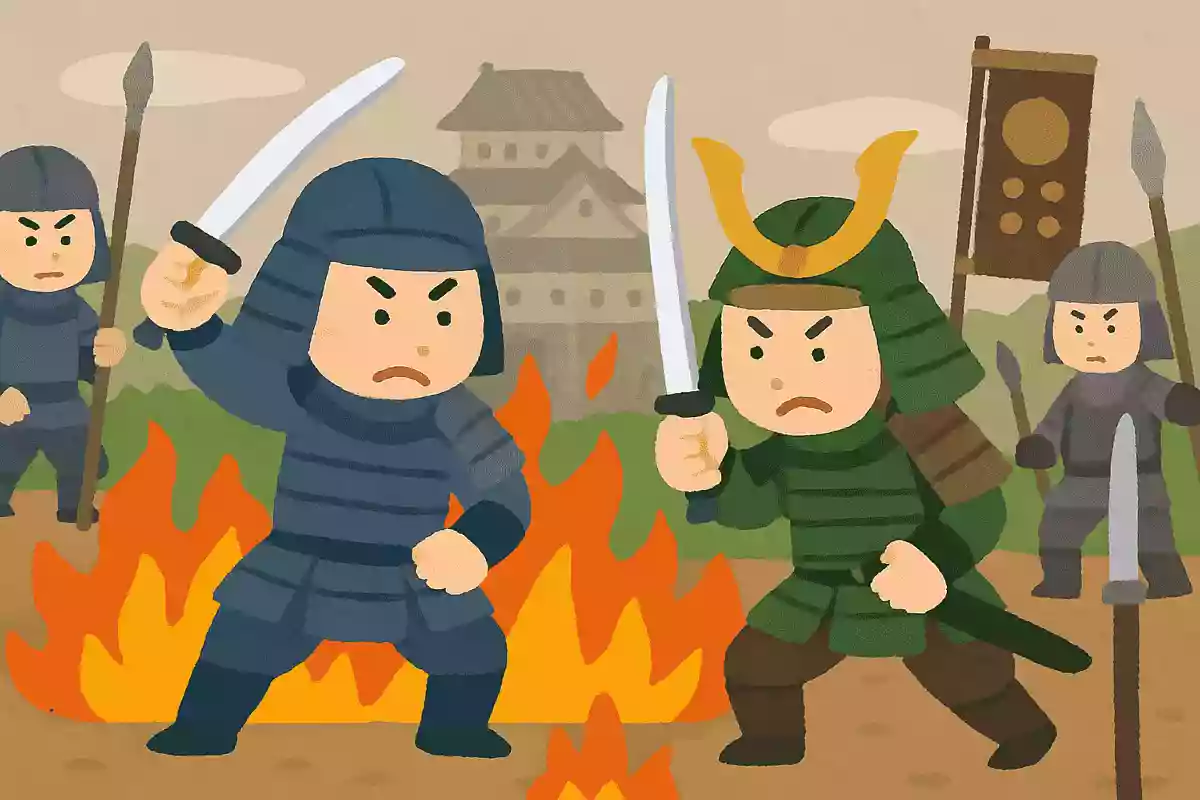
- Ōnin War
- Honnō-ji Incident
- Battle of Sekigahara
See the answer
Ōnin War
The Ōnin War was a Japanese civil conflict that lasted from 1467 to 1477. It began with a succession dispute over Ashikaga Yoshimasa, the shogun of the Muromachi shogunate, and escalated into a major war as the rivalry between the Hosokawa and Yamana clans drew in feudal lords (shugo daimyo) across the country. The fighting devastated Kyoto and set the stage for the Sengoku period, during which samurai throughout Japan battled to defend and expand their own domains.
What is the Chinese character that is said to have been written on Naoe Kanetsugu’s helmet?
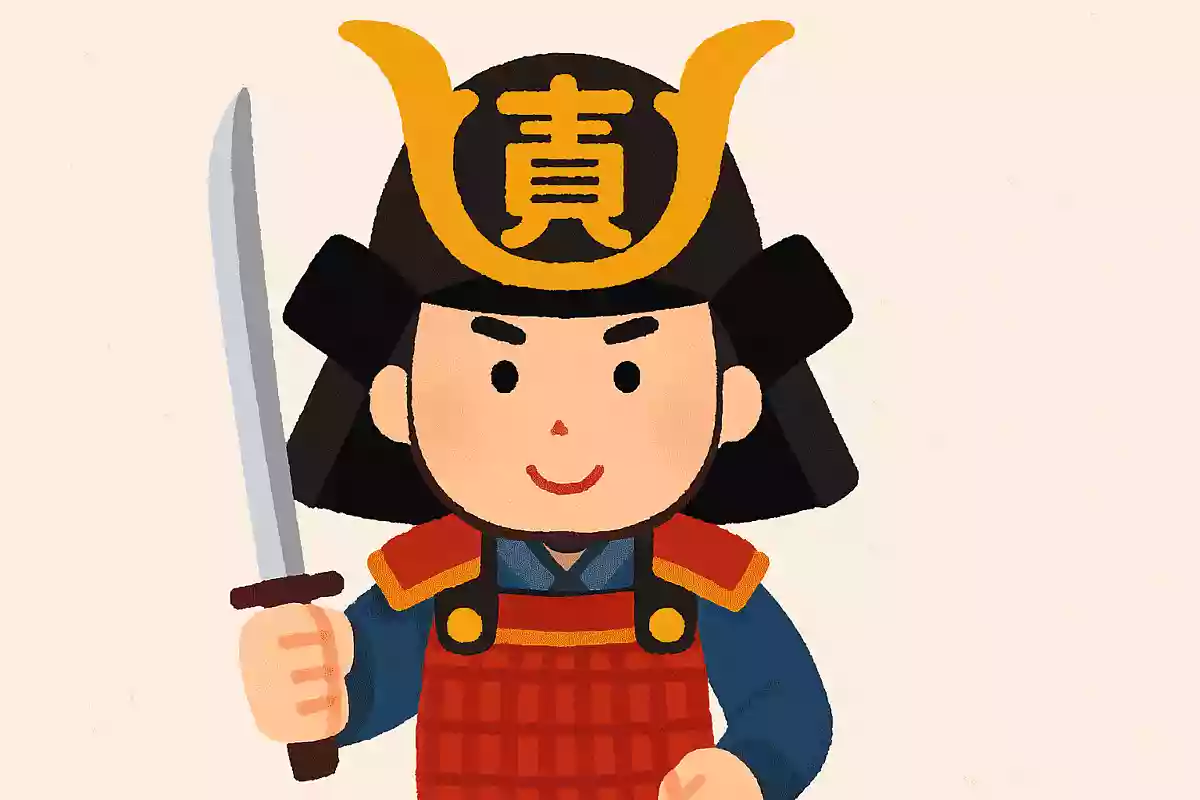
- war
- win
- love
See the answer
love
Naoe Kanetsugu was a samurai commander of the Sengoku period, renowned for serving Uesugi Kenshin and Uesugi Kagekatsu. His helmet prominently featured the character “愛” (love). This “love” symbolized compassion for both friend and foe and a wish for peace, expressing Naoe Kanetsugu’s philosophy of valuing people’s hearts and peace, rather than merely engaging in battle.
[For Elementary School Students] Deepen Your Knowledge of Sengoku Warlords with the Country-Conquest Quiz (11–20)
Which historical battle is considered the one in which Sanada Yukimura was most active?
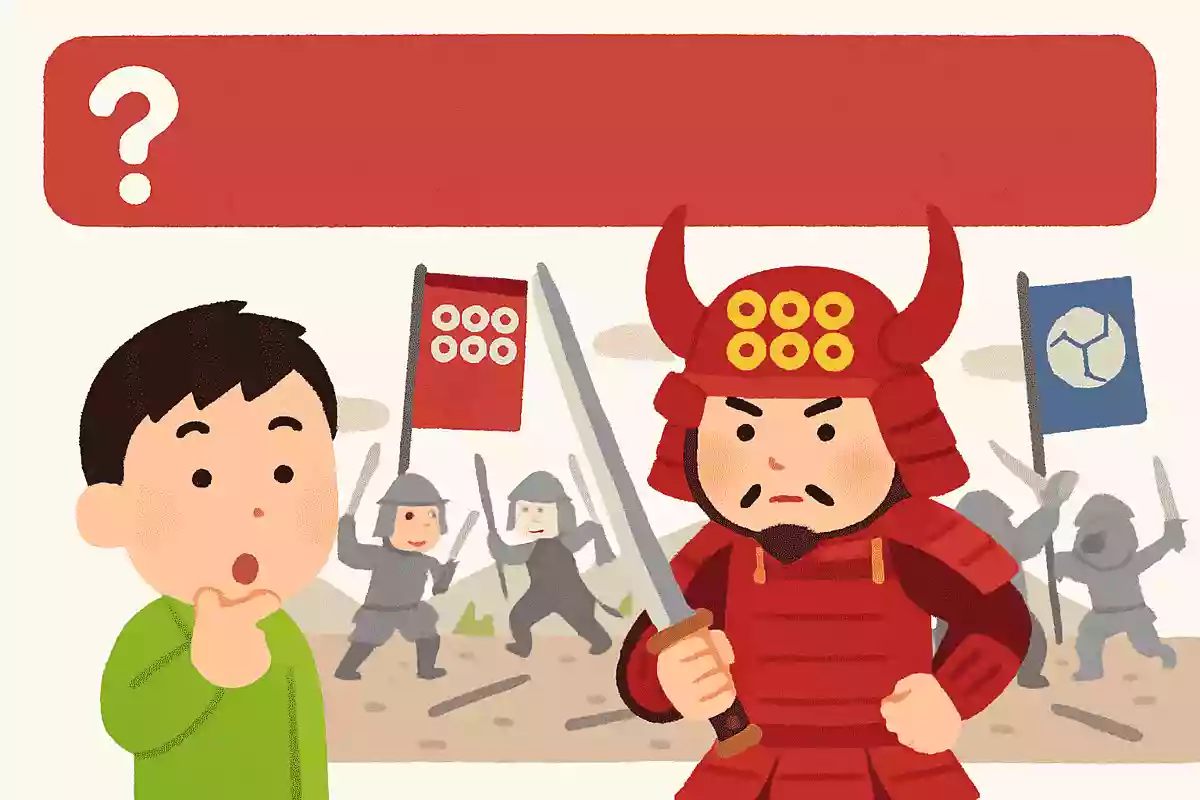
- Battle of Sekigahara
- The Siege(s) of Osaka
- Battle of Okehazama
See the answer
The Siege(s) of Osaka
Sanada Yukimura is particularly famous for the Siege of Osaka (the Winter and Summer Campaigns). He held out in Osaka Castle and fought the Tokugawa forces, constructing a defensive fortification called the Sanada-maru that gave the Tokugawa army great trouble. For his brave fighting, he was praised as “the finest warrior in Japan.” He also took part in the Battle of Sekigahara, but his most notable achievements were during the Siege of Osaka, where he is known for pressing Tokugawa Ieyasu to the brink.
Uesugi Kenshin was called by a different name when he was a child. What was that name?
- Takechiyo
- Torachiyo
- Inuchiyo
See the answer
Torachiyo
Uesugi Kenshin was a military commander from Echigo during the Sengoku period. In his childhood, he was called “Torachiyo.” The element “Chiyo” was commonly used in names in the past, and the character for “tiger” (tora) signifies bravery and strength. The origin of Kenshin’s childhood name, “Torachiyo,” reflects his family’s wish that he would grow into a bold and valiant warrior.
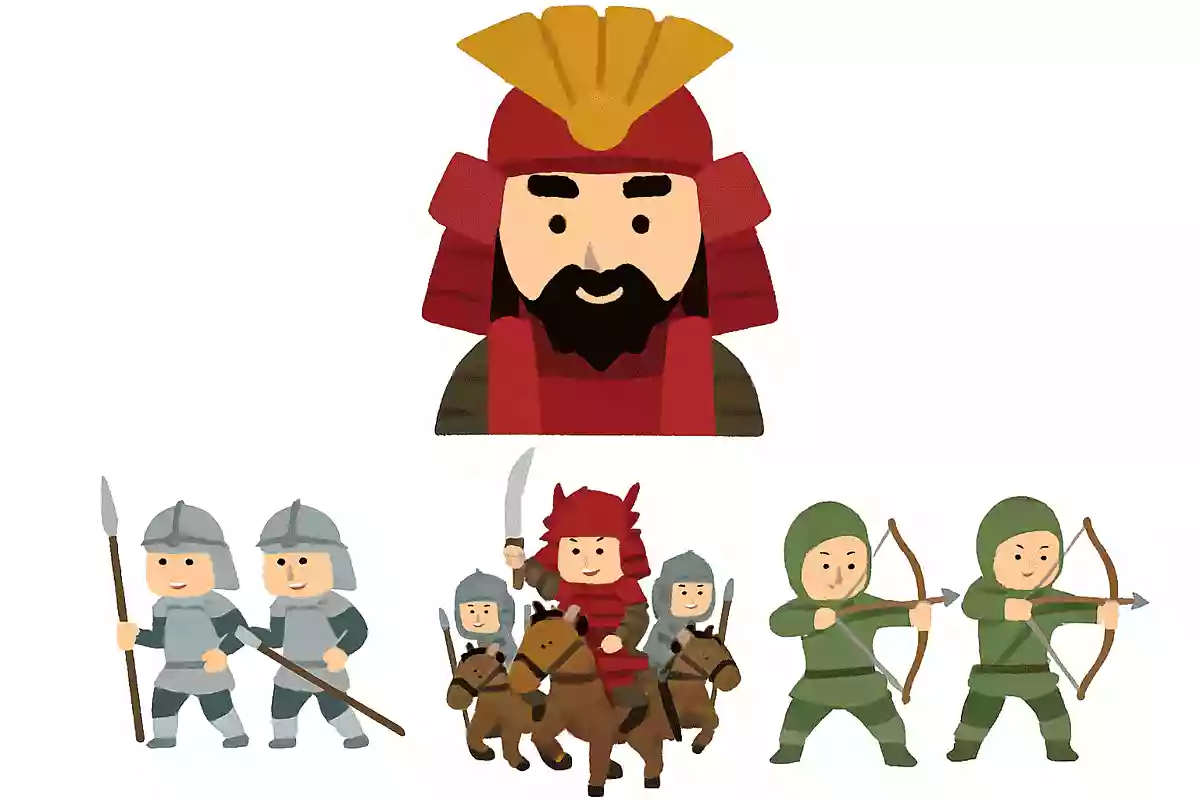
Which of the following is the strongest unit led by Takeda Shingen?
- matchlock gunners
- Ninja Squad
- cavalry
See the answer
cavalry
The answer is “the cavalry.” Takeda Shingen was a feudal lord of Kai Province during the Sengoku period, famous for the battle motto “Fūrinkazan.” Among Shingen’s forces, the most renowned unit was the cavalry. This was a group of mounted warriors who excelled at tactics that leveraged speed and power. The Takeda cavalry was said to be the strongest of its time and distinguished itself in many battles. Furthermore, by making the most of the horse’s capabilities, the Takeda army had a significant impact on the history of warfare.
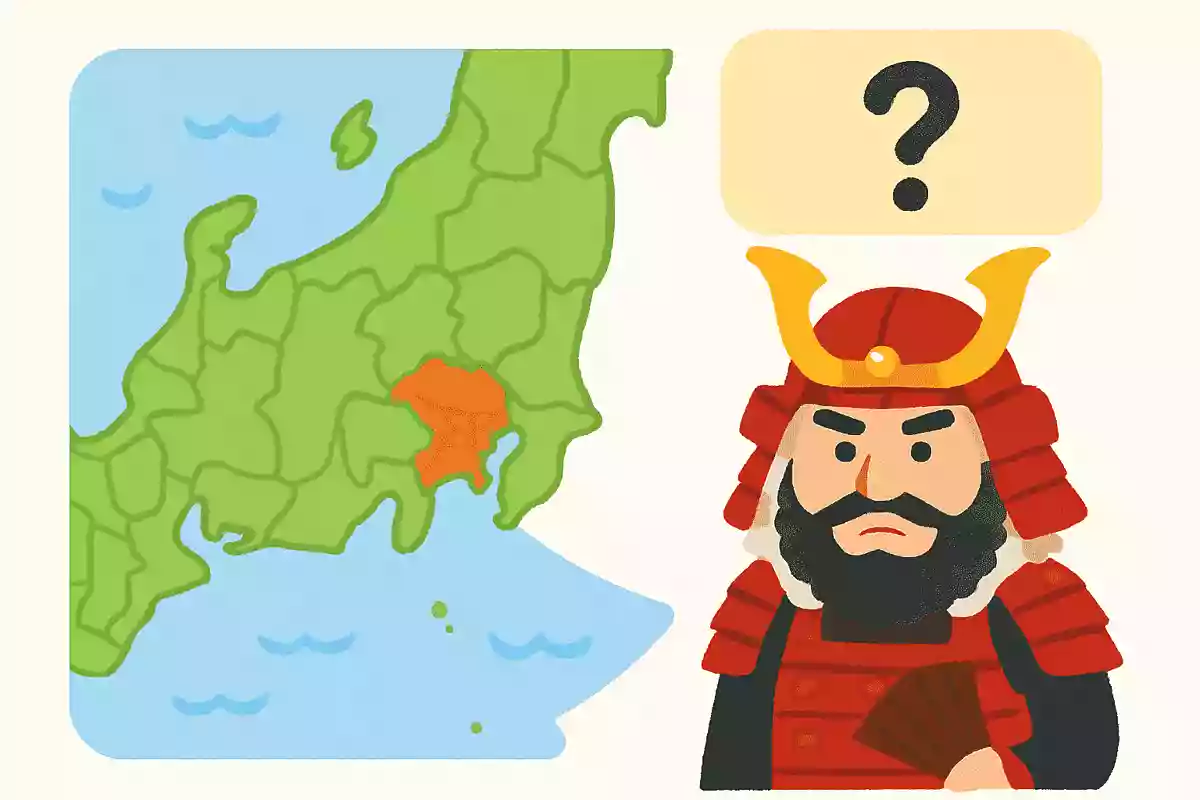
Which present-day prefecture corresponds to Kai Province, known for Takeda Shingen?
- Nagano Prefecture
- Yamanashi Prefecture
- Shizuoka Prefecture
See the answer
Yamanashi Prefecture
Kai Province refers to the area of present-day Yamanashi Prefecture. During the Sengoku period, the land was ruled by Takeda Shingen, and it’s said that the place name Kōfu also derives from Kai Province. Yamanashi is an inland prefecture with many mountains and rivers in its center, known for the Kōfu Basin and for fruits such as grapes and peaches. Part of Mount Fuji is also located within the prefecture.