

Geography Quiz: Elementary School Study + Slightly Advantageous Geography Questions

The subject of geography, which we study from elementary school.
If we’re going to study anyway, we want to make it fun, right?
In recent years, many people may be using TV quiz shows as a way to learn.
In this article, we’ve put together a set of geography quizzes recommended for elementary school students, presented in a quick-view, Q&A format.
Use them for various purposes—reviewing what you learned in class, picking up a bit of knowledge that goes beyond the lessons, and more.
There are quite a few questions related to prefectures, and we’ll keep updating them over time.
Please feel free to start with whatever interests you and enjoy little by little.
- Geography Quiz: General Geography Questions That Might Be a Little Useful to Know?
- [For Elementary School Students] Fun and Effective Prefecture Quiz
- [Interesting] World and Japan Map Quiz and Geography Questions Collection
- [General] Surprisingly unknown? Test your geography skills with a three-choice quiz on Japan’s prefectures
- Let’s take on the challenge! A multiple-choice history quiz for elementary school students. Review your history lessons.
- [For Elementary School Students] World Countries Capital Quiz: Learn the Flags Too!
- For Elementary School Students: World Country Flags Quiz. Learn Them as a Set!
- [For Elementary School Students] Collection of Science-Related Games and Quizzes
- [Easy] Quiz for Middle School Students
- [For Elementary School Students] Country Names in Kanji Quiz. A quick, fun quiz
- A quiz for elementary school students about Japan’s number ones. Guess the “most ___” things in Japan!
- [For Elementary School Students] Animal Quiz to Learn Knowledge and Fun Facts
- [For Kids] November Trivia Quiz & Fun Facts: Let’s Learn While Having Fun!
[Geography Quiz] Elementary School Study + Slightly Beneficial Geography Questions (1–10)
Which of the following has a different name for the prefecture and its capital city?
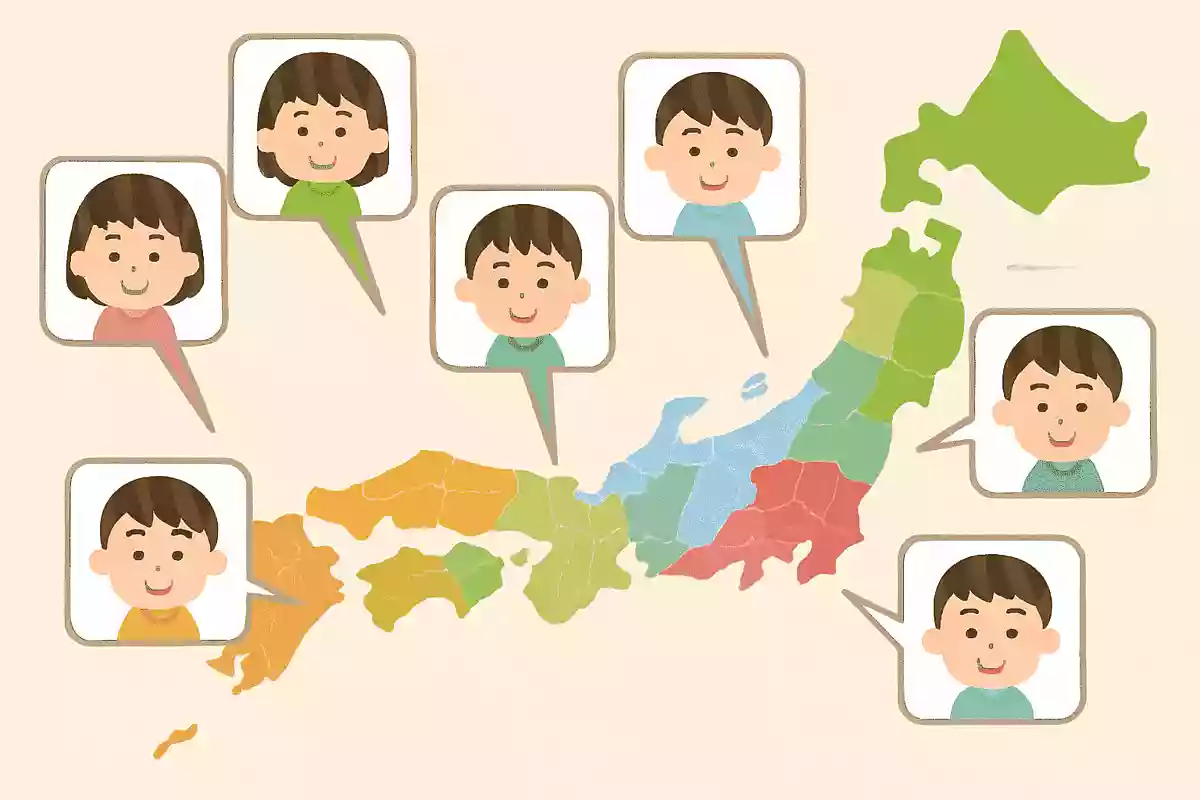
- Ishikawa Prefecture
- Fukui Prefecture
- Toyama Prefecture
See the answer
Ishikawa Prefecture
Fukui Prefecture has Fukui City and Toyama Prefecture has Toyama City as their respective prefectural capitals, but Ishikawa Prefecture has no place called Ishikawa City; its capital is Kanazawa City. Did you know that, historically, during the Meiji era, the Kaga Domain became the Kanazawa Domain and then Kanazawa Prefecture? It is said that Ishikawa Prefecture was later created to organize the complex map of the Hokuriku region, and Kanazawa City, located at its center, was designated as the prefectural capital.

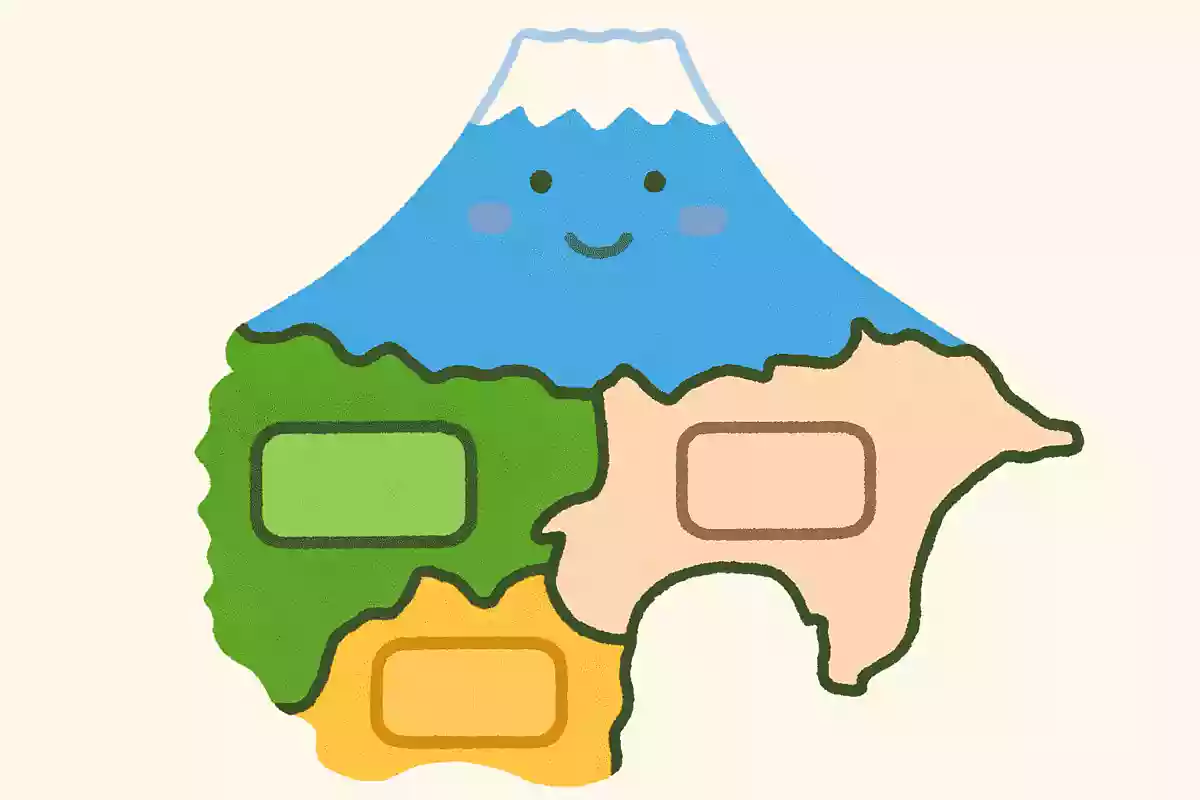
On the border of which two prefectures is Mount Fuji, the highest mountain in Japan, located?
See the answer
Shizuoka Prefecture and Yamanashi Prefecture
The summit is considered to belong to neither prefecture. It also sounds fun to enjoy the contrasting views you see from the seaside on the Shinkansen and from the mountainside with hot springs.

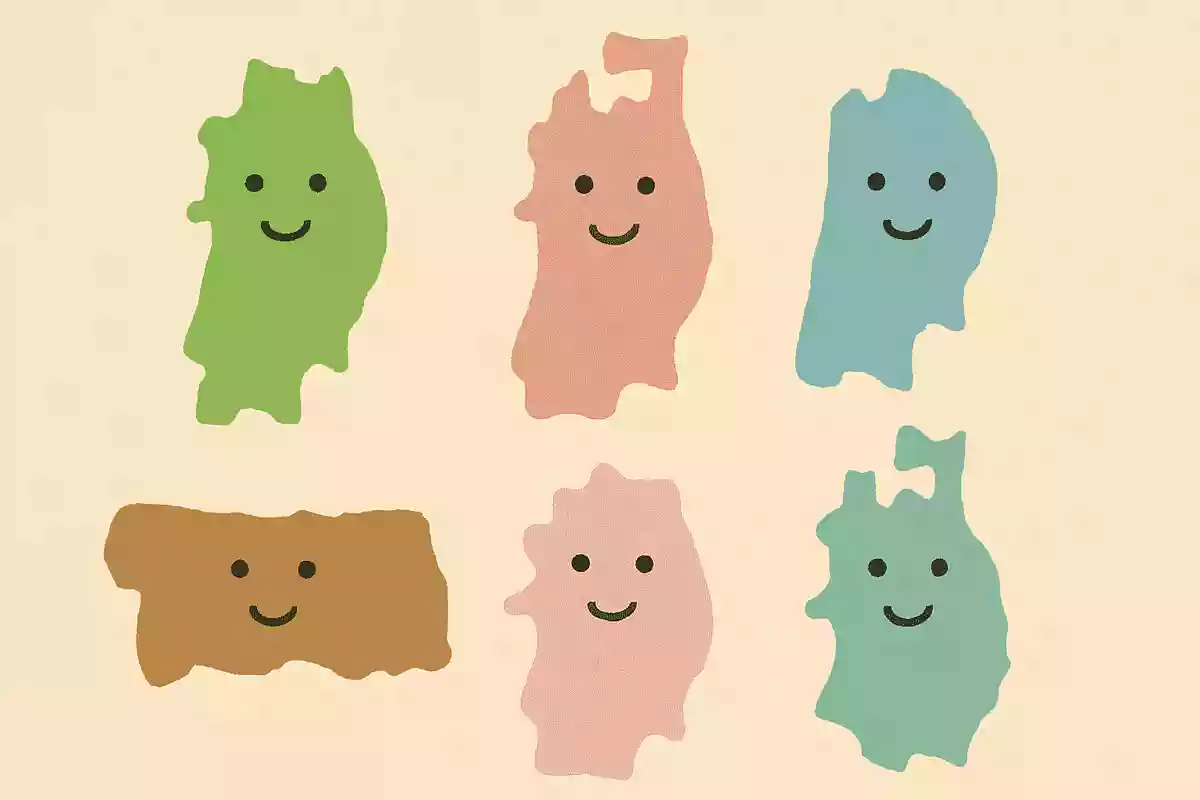
Which of the following prefectures are located in the Tohoku region?
- Niigata Prefecture
- Tochigi Prefecture
- Fukushima Prefecture
See the answer
Fukushima Prefecture
Since Niigata Prefecture is located in the Chubu region and Tochigi Prefecture is in the Kanto region, Fukushima Prefecture is the correct answer. Since 2011, it has also been strongly associated with the Great East Japan Earthquake, but it is known for having many specialty products thanks to its climate, which is well-suited to agriculture. In addition, it is historically important as the setting of the Aizu War, famous for the Byakkotai, so please be sure to remember it.
[Geography Quiz] Elementary School Study + A Little Useful Geography Questions (11–20)
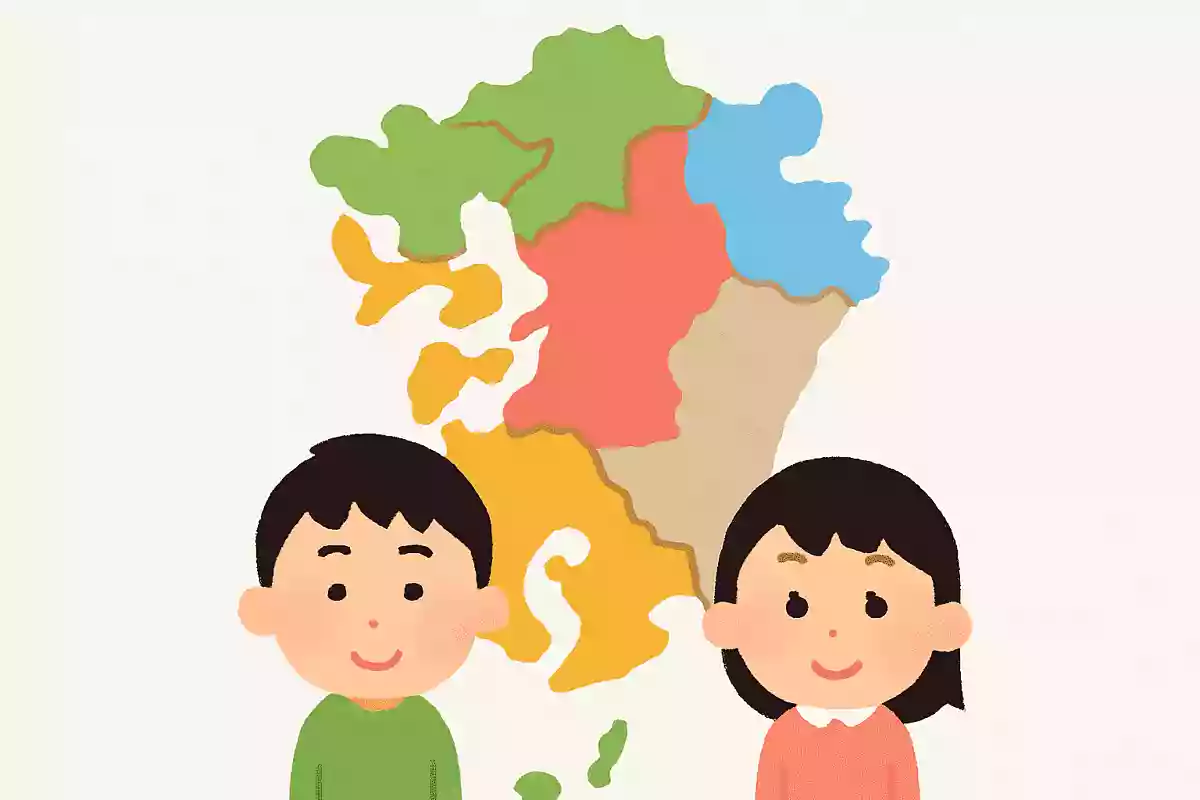
What are the seven prefectures in Kyushu?
See the answer
Fukuoka Prefecture, Nagasaki Prefecture, Saga Prefecture, Kumamoto Prefecture, Oita Prefecture, Miyazaki Prefecture, Kagoshima Prefecture
There are seven prefectures, so it’s curious why it’s called Kyushu, isn’t it? It’s said to come from the fact that there used to be nine old provinces, such as Chikuzen, Hyuga, and Satsuma.
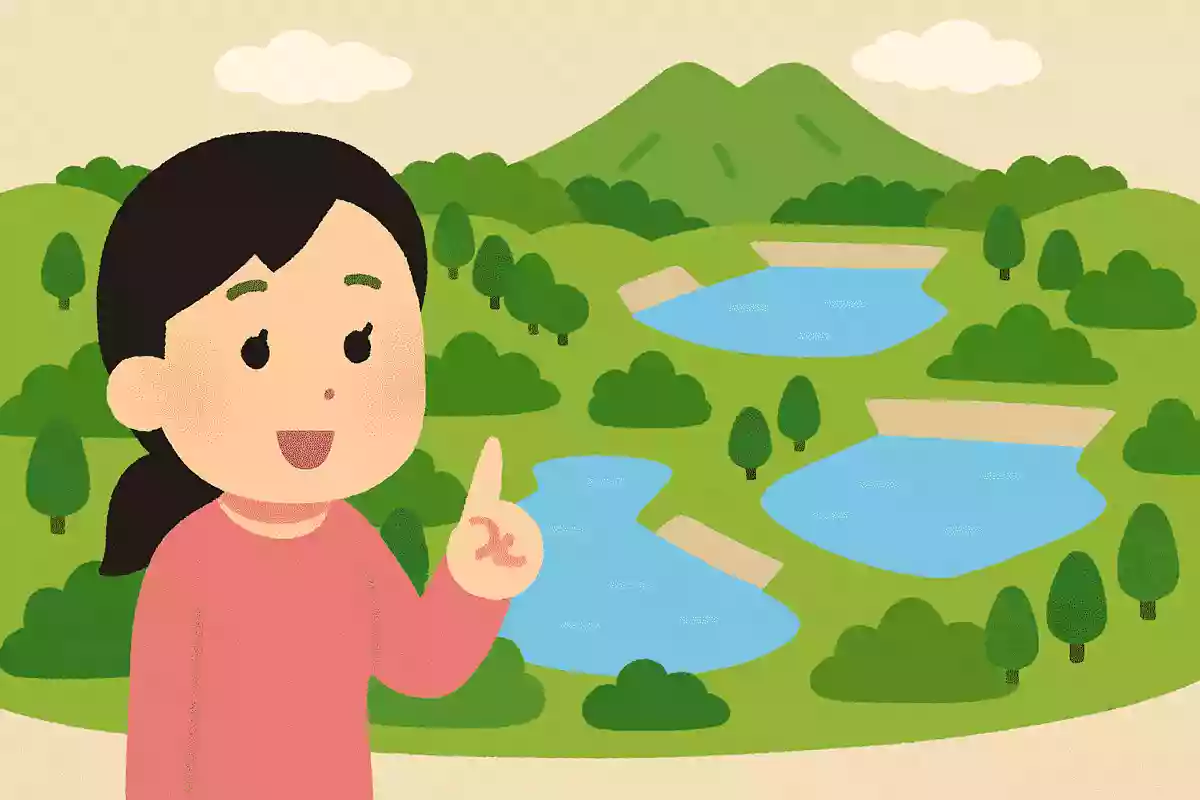
Which prefecture in Japan has the most reservoirs?
- Hiroshima Prefecture
- Hyogo Prefecture
- Kagawa Prefecture
See the answer
Hyogo Prefecture
Hyogo Prefecture has about 22,000 irrigation ponds. There is the very large Kako-Ōike in Inami Town, and many ponds are also found on Awaji Island, accounting for an impressive 14% of all such ponds in Japan. They support local life in various ways, such as regulating floodwaters and securing agricultural water supplies.
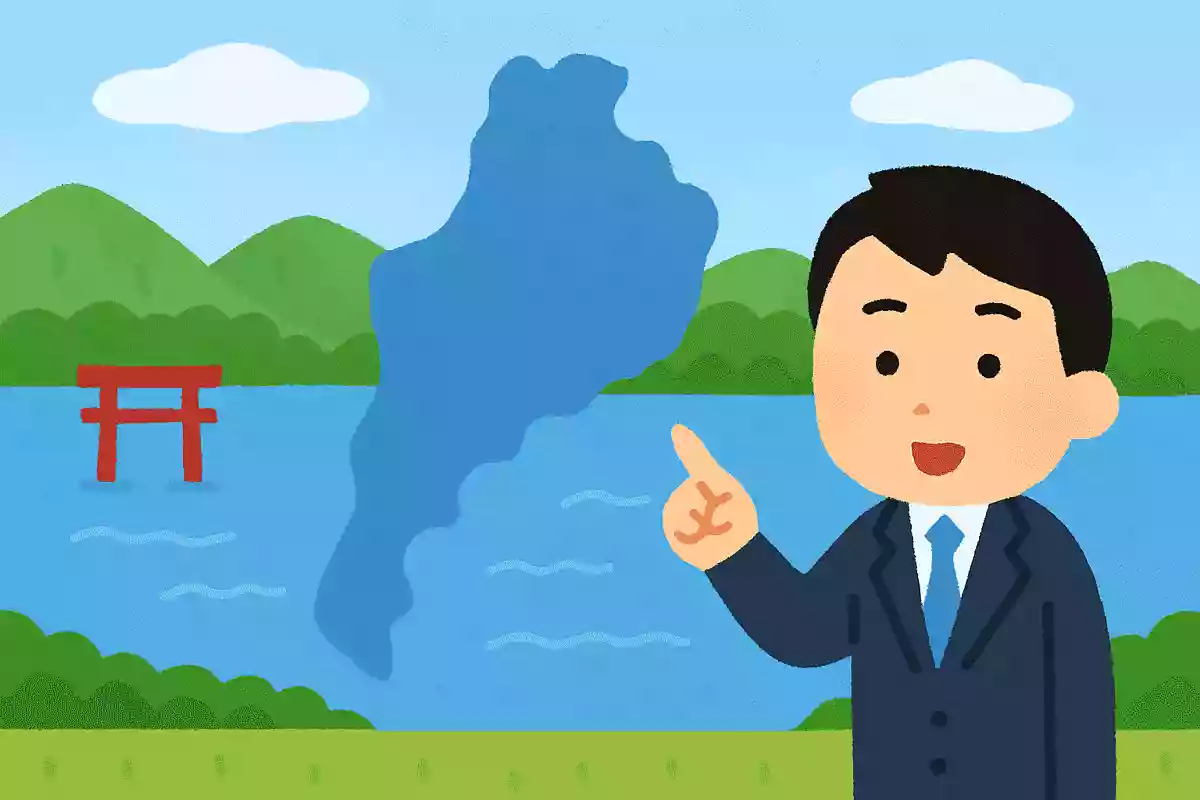
What is the largest lake in Japan?
- Lake Kasumigaura (Ibaraki)
- Lake Saroma (Hokkaido)
- Lake Biwa (Shiga)
See the answer
Lake Biwa (670 km²)
Lake Biwa in Shiga Prefecture, with an area of 670 km²—larger than Lake Kasumigaura in Ibaraki (220 km²) and Lake Saroma in Hokkaido (150 km²) combined—is known as the largest lake in Japan. Formed about 4.4 million years ago, it is an ancient lake located fairly close to Kyoto, and it’s said that Oda Nobunaga built Azuchi Castle on its shore to take advantage of water transport. Though it is called a lake, its vastness feels almost like the sea, making it a place you should see at least once.
How many nautical miles are Japan’s territorial waters?
- 12 nautical miles
- 20 nautical miles
- 24 nautical miles
See the answer
12 nautical miles
Under the Territorial Sea Law, Japan’s territorial sea is defined as extending up to 12 nautical miles—approximately 22 kilometers—from the baseline coastline. Within the territorial sea, Japan has the recognized right to freely conduct activities such as fishing and resource development, and if foreign vessels enter without permission, they can be regulated in accordance with Japanese law.
