


If you’re a woman in your 70s, chances are you listened to a lot of love songs from around the 1970s.
Japanese pop songs released in that era truly include many masterpieces—timeless tracks that still haven’t lost their charm.
In this article, we’ll focus specifically on heartbreak songs and introduce tracks recommended for women in their 70s.
They may help you recall past romantic experiences or bring back the feelings you had back then.
You’ll likely recognize many of these songs, so take this opportunity to listen to them again with fresh ears.
- [Recommended for people in their 70s] Classic nostalgic hits: A collection of youth songs
- Tear-jerking songs for women in their 70s: from Showa-era classics to Heisei hits
- Recommended love songs for women in their 70s: A collection of nostalgic love songs
- [Shōwa-Era Heartbreak Songs] Carefully selected timeless love classics adored across generations!
- Recommended love songs for men in their 70s: A collection of nostalgic love songs
- Sing-Along Hits! Karaoke Songs That Get Women in Their 70s Excited
- [Recommended for people in their 70s] Songs that really move you. Beloved classic Japanese hits of the past.
- Lively songs recommended for people in their 80s: A collection of nostalgic enka and kayōkyoku
- Breakup songs recommended for people in their 80s: a collection of classic tracks that capture heartbreaking feelings
- [Heartbreak Song] To Bounce Back From a Broken Heart | Uplifting, Positive Tracks & Anthems
- [For women in their 70s] A collection of songs that are easy to sing even for people who are tone-deaf
- Recommended Christmas songs for people in their 70s: A collection of classic winter hits from the Showa era
- Heart-touching, tear-jerking masterpieces from the Showa era
Recommended breakup songs for women in their 70s. A collection of classic Showa-era breakup masterpieces (1–10)
Morning of PartingPedoro & Kapurishasu

Pedro & Capricious debuted in 1971, bringing a Latin breeze to Japan’s music scene.
Their song “Wakare no Asa” (Morning of Parting) was released on October 25, 1971, and has since become a classic, covered by many artists.
The piece begins with a goodbye exchanged over cold tea and smiles, then moves into a poignant scene of silently walking a narrow path toward the station.
The song’s appeal lies in its delicate portrayal of the subtle emotions and beauty present in the moment of parting.
Even in the sparse dialogue, expressions that evoke a strong bond and affection stand out.
Recommended listening situations include quiet moments alone when you want to sink into memories, or when you wish to soothe the pain of a broken heart.
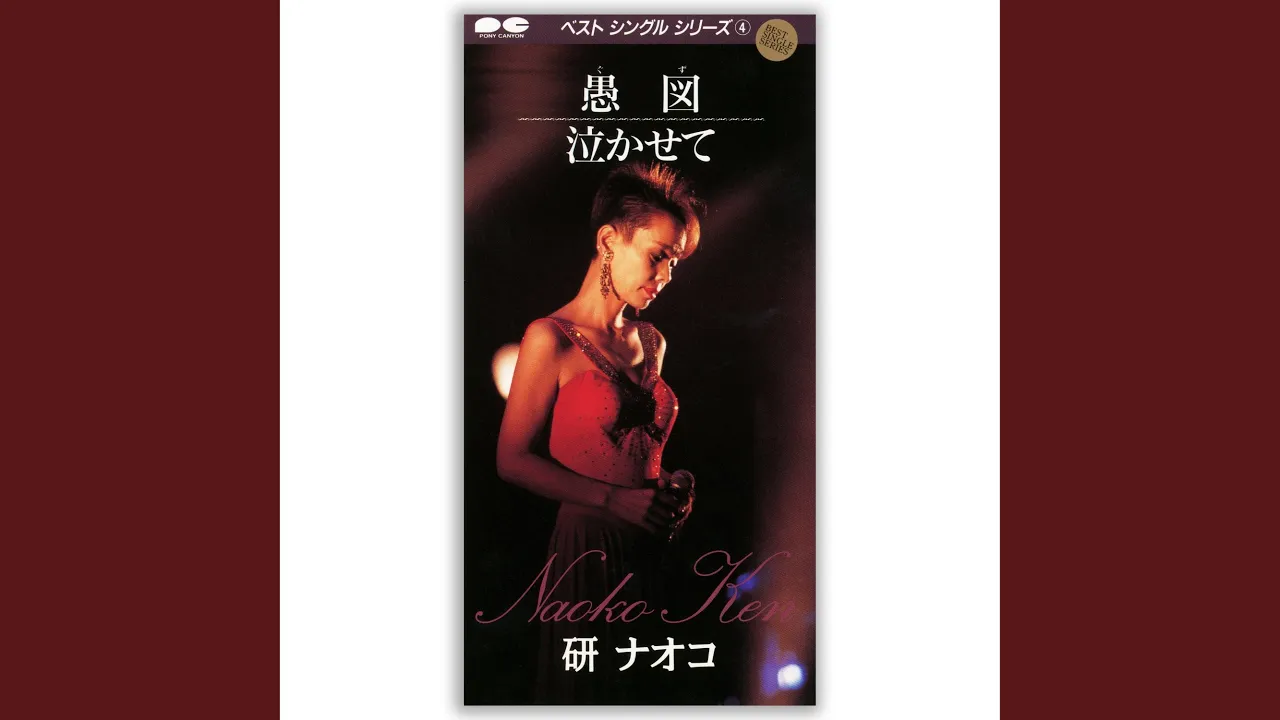
Make me cryNaoko Ken

A song that pours the pain of heartbreak into a beautiful melody.
Naoko Ken’s rich, sultry voice fully conveys the bittersweet emotions.
It resonates with the importance of accepting sorrow as it is and freeing your feelings.
Released in November 1983, it was performed at the 34th NHK Kōhaku Uta Gassen and captured the hearts of many.
It’s a track not only for those who’ve experienced heartbreak, but also for moments when you want to remember someone dear.
youKozaka Akiko

Born in 1957, Akiko Kosaka has built a distinguished career as a pianist and singer-songwriter.
Her signature song “Anata” was released in 1973 and quickly swept across Japan.
Its sophisticated melody and heartfelt lyrics portray an ideal home life with a cherished partner, continuing to move listeners deeply.
Surely everyone has, at some point, dreamed about a future with someone they love.
Although the past-tense lyrics carry a touch of melancholy, it’s a song I hope you’ll listen to while reminiscing about past feelings of love.
escapadeAsō Yōko

Yoko Aso made her debut in 1974 and swiftly won the Japan Record Award for Best New Artist.
Her dazzling start came with “Tōhikō (Escape Journey),” a song that continues to be cherished by many fans.
This work weaves together Kazuya Senzaka’s delicate lyrics and Shunichi Tokura’s melody to sing of the pain of heartbreak and the hope for a new beginning.
Portraying the bittersweet feelings of love that many may experience at least once—and the strength to overcome them—this song is especially recommended for those about to take a new step.
With Aso’s warm, rich voice, it carries a message that resonates with listeners’ hearts, so be sure to give it a listen.
Farewell SongNakajima Miyuki

When it comes to Miyuki Nakajima’s signature songs, many people probably think of this heartbreak ballad.
Released in September 1977, it was a landmark track for Nakajima, becoming her first single to reach number one on the charts.
A million-seller that has been covered by many artists, it remains a timeless classic.
Its lyrics delicately portray the sorrow and loneliness of parting, and Nakajima’s clear, translucent voice resonates deeply with listeners.
It’s a recommended song for anyone who has experienced a painful goodbye or wants to reminisce about a past love.
Una Sera di TokyoZa Pīnattsu

The Peanuts were a twin idol duo who epitomized the Showa era, and their 1964 release “Una Sera di Tokyo” remains a beloved classic.
Their vocals are imbued with deep emotion and gentleness, warmly enveloping the listener’s heart.
They were frequently tied in with films and television, and their music has been enjoyed across a wide range of settings.
Listening to a song like this alone on a quiet night, or during moments of self-reflection, can help you touch the emotions that lie deep within.
It’s a track that resonates with people of all generations—especially those with rich life experience.
Goodbye Comes After the DanceBaishō Chieko

Chieko Baisho, born in 1941, is one of Japan’s leading actresses and is also active as a singer.
Her signature song, “Sayonara wa Dance no Ato ni” (“Goodbye Comes After the Dance”), was released in 1965.
The song depicts a couple spending their final moments together through a dance before parting, capturing a scene that preserves a beautiful memory tinged with sorrow.
The protagonist tries to convey their feelings not through words but through the dance, quietly yet powerfully expressing the depth of love and the pain of farewell.
Baisho’s clear voice and the graceful melody resonate with listeners’ hearts and evoke a sense of nostalgia for a bygone era.