

[Karaoke] Songs That Get Men in Their 70s Fired Up! A Collection of Nostalgic Japanese Hits [2026]

There are many people in their 70s who are still active, spending their days working, enjoying hobbies, and staying on the go.
That said, health is important too, and karaoke is a great hobby to recommend.
It can help relieve stress and stimulate physical functions.
Those who are currently in their 70s spent their youth from the 1960s to the 1970s, so this article gathers nostalgic Japanese hit songs from that era—GS (Group Sounds), kayōkyoku, enka, folk, and more—for those who grew up listening to a wide variety of hits in their younger days.
These are all songs that will get the crowd going when sung by men in their 70s, so be sure to check them out!
- [Recommended for people in their 70s] Songs that get everyone excited. Songs you’ll want to sing at karaoke.
- Karaoke songs you’ll want to sing for men in their 70s: Enka and nostalgic Showa-era pop
- [Recommended for people in their 70s] Classic nostalgic hits: A collection of youth songs
- [For men in their 70s] A collection of easy-to-sing songs even for people who are tone-deaf
- Songs I want men in their 70s to sing: a roundup of tracks I'd like to hear at karaoke
- Energizing songs recommended for men in their 70s: A roundup of nostalgic power tracks
- [Recommended for people in their 70s] Songs that really move you. Beloved classic Japanese hits of the past.
- [Nostalgic Songs] A collection of tear-jerking Japanese tracks recommended for men in their 70s
- [For Seniors] Popular Karaoke Songs That Everyone Can Enjoy Together
- Nostalgic Days of Youth: A Collection of Western Music Recommended for Men in Their 70s [2026]
- Tear-jerking songs for women in their 70s: from Showa-era classics to Heisei hits
- Easy-to-sing songs recommended for men in their 80s: Showa-era classics to perform at karaoke
- A roundup of recommended Japanese songs for karaoke that will excite men in their 80s
[Karaoke] Songs That Get Men in Their 70s Fired Up! Nostalgic Japanese Hits Compilation [2026] (1–10)
I look up as I walkSakamoto Kyu

Kyu Sakamoto’s 1961 release “Ue o Muite Arukō,” better known as “SUKIYAKI,” achieved groundbreaking success for a Japanese artist, including reaching No.
1 on the Billboard chart.
Drawing on Western influences while transcending the confines of traditional Japanese music, Sakamoto pursued a distinctive vocal style that produced a timeless classic beloved across generations.
The lyrics convey a gentle yet strong resolve to keep moving forward no matter what, continuing to give courage and hope to many people to this day.
If you’re good at whistling, try recreating the whistling sections between verses.
This song is sure to be a hit in any setting.
Automobile Show SongKobayashi Akira

This is one of Akira Kobayashi’s signature songs, released in 1964.
The lyrics are striking for the way car names pop up one after another like puns.
Wordplay using automobile names is woven throughout, from barroom banter to feelings toward a woman who forgot a promise.
It was also used the following year as an insert song in the film “The Dice I Threw Calls Tomorrow.” Sing it at karaoke and it’s sure to liven up the place.
It’s a recommended track not only for car enthusiasts but also for anyone who enjoys playful wordplay.
Love You, TokyoKurosawa Akira & Rosu Purimosu

A monumental classic of mood kayō set against the nighttime streets of Tokyo.
Released in April 1966, it was the debut single by Akira Kurosawa and Los Primos.
About six months after its release, it began gaining popularity among hostesses in Kofu, Yamanashi Prefecture, and soon was frequently played on late-night radio.
In January 1968, it reached No.
1 on the Oricon chart, with cumulative sales reaching 2.5 million copies.
The song’s lyrics, which poignantly depict the courage to move forward after the sorrow of a broken heart, leave a lasting impression.
Combined with its urbane atmosphere evoking Ginza and Akasaka, it became a masterpiece that resonated with many.
Sing it at karaoke, and it’s sure to set off a flurry of fond memories.
[Karaoke] Songs to Get Men in Their 70s Fired Up! A Compilation of Nostalgic Japanese Hits [2026] (11–20)
Flower NecklaceZa Taigāsu

The Tigers are a legendary band that took the 1960s by storm.
Their song “Flower Necklace” was released in 1968 and was also used as the theme song for the Toho film The Tigers: The World Is Waiting for Us.
The charm of this work lies in Fusako Sugawara’s dreamlike lyrics and Koichi Sugiyama’s beautiful melody.
The story woven around the “flower necklace” as a symbol of love and dreams captures listeners’ hearts and has been cherished by many fans across generations.
In particular, Katsumi Kahashi’s high-tone voice is striking, and his vocals remain memorable for many people even today.
This song is recommended for those who yearn for the good old days, as it evokes memories of youthful times.
A café in a student districtGaro
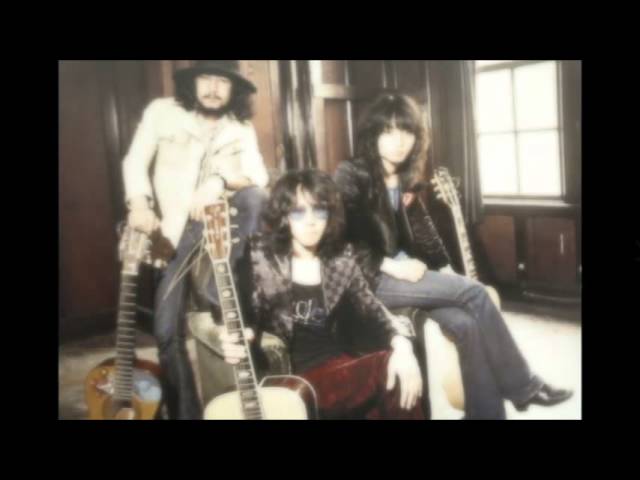
GARO is a Japanese folk-rock group formed in 1970.
Their music has been praised as a Japanese counterpart to Crosby, Stills, Nash & Young, and they produced numerous hit songs.
Among them, Coffee Shop in the Student Quarter, released on June 20, 1972, became a massive hit, topping the Oricon charts for seven consecutive weeks.
The song delicately portrays memories of a student-days café, deep friendship, and bittersweet romance, resonating deeply with listeners through the special memories associated with the coffee shop.
In particular, Koichi Sugiyama’s beautiful melodies and Michio Yamagami’s poetic lyrics evoke a sense of nostalgia and melancholy.
It’s a song beloved across generations, not only by those who spent their youth in the 1970s.
It’s especially recommended for anyone who wants to sing nostalgic tunes at karaoke or revisit the days of their youth.
Drifters’ Zundoko BushiZa Dorifutāzu

The Drifters are a legendary group that breathed new life into Japan’s entertainment scene by fusing music and comedy.
Their 1969 release, “Drifu no Zundoko-bushi,” is a signature work where their musicality and humor come together, beloved across generations.
The song is characterized by lyrics that comically depict youthful romance and a lively rhythm.
In particular, the various romantic episodes from student days to working life are portrayed over the catchy refrain “zun zun zun zun zun zundoko,” evoking both nostalgia and joy in listeners.
Singing this song at karaoke feels like riding a time machine back to your younger days.
It’s a true classic that can be enjoyed in many settings and by people of all ages.
Beach of MemoriesZa Wairudowanzu

A refreshing portrayal of bittersweet summer love, this Group Sounds classic by The Wild Ones became a major hit upon its release in November 1966, selling over one million copies.
Its lyrics look back on memories by the shore, and the distinctive tone of the 12-string guitar leaves a lasting impression.
The song was also used as the theme for a film of the same name in 2007, and it continues to be loved across generations.
Sing it at karaoke, and it’s sure to bring back everyone’s youthful memories.
Raise your voices together, and you’ll surely create wonderful new ones.