

![[Karaoke] Songs That Get Men in Their 70s Fired Up! A Collection of Nostalgic Japanese Hits [2026]](https://i.ytimg.com/vi_webp/_P6yP48BV7k/maxresdefault.webp)

There are many people in their 70s who are still active, spending their days working, enjoying hobbies, and staying on the go.
That said, health is important too, and karaoke is a great hobby to recommend.
It can help relieve stress and stimulate physical functions.
Those who are currently in their 70s spent their youth from the 1960s to the 1970s, so this article gathers nostalgic Japanese hit songs from that era—GS (Group Sounds), kayōkyoku, enka, folk, and more—for those who grew up listening to a wide variety of hits in their younger days.
These are all songs that will get the crowd going when sung by men in their 70s, so be sure to check them out!
- [Recommended for people in their 70s] Songs that get everyone excited. Songs you’ll want to sing at karaoke.
- Karaoke songs you’ll want to sing for men in their 70s: Enka and nostalgic Showa-era pop
- [Recommended for people in their 70s] Classic nostalgic hits: A collection of youth songs
- [For men in their 70s] A collection of easy-to-sing songs even for people who are tone-deaf
- Songs I want men in their 70s to sing: a roundup of tracks I'd like to hear at karaoke
- Energizing songs recommended for men in their 70s: A roundup of nostalgic power tracks
- [Recommended for people in their 70s] Songs that really move you. Beloved classic Japanese hits of the past.
- [Nostalgic Songs] A collection of tear-jerking Japanese tracks recommended for men in their 70s
- [For Seniors] Popular Karaoke Songs That Everyone Can Enjoy Together
- Nostalgic Days of Youth: A Collection of Western Music Recommended for Men in Their 70s [2026]
- Tear-jerking songs for women in their 70s: from Showa-era classics to Heisei hits
- Easy-to-sing songs recommended for men in their 80s: Showa-era classics to perform at karaoke
- A roundup of recommended Japanese songs for karaoke that will excite men in their 80s
[Karaoke] Songs That Get Men in Their 70s Fired Up! Nostalgic Japanese Hits Compilation [2026] (1–10)
Woman’s Pathpinkara torio

Pinkara Trio is a musical group formed in 1963.
Their debut single, “Onna no Michi” (“A Woman’s Path”), released in 1972, became a social phenomenon.
While the song portrays the heartrending feelings of a woman betrayed by love, it also conveys a message of not losing sight of hope for the future.
Its unique musicality—reflecting the group’s roots in comic-skit-infused kayō (popular) music—and lyrics emblematic of the era are likely why this work continues to be loved across generations.
Singing “Onna no Michi” at karaoke means more than simply performing an enka number.
By sensing the deep emotions embedded in the lyrics and their social message as you sing, you can enjoy a richer karaoke experience.
Yokohama TwilightItsuki Hiroshi

A masterpiece that paints a poignant farewell against the backdrop of Yokohama’s nightscape.
Released in March 1971, it became Hiroshi Itsuki’s re-debut single.
It was a massive hit, winning the 13th Japan Record Award for Best Vocal Performance and topping the Oricon weekly chart.
The scenes of parting in a small hotel room and the protagonist’s emotions as they wander the city bearing the pain of heartbreak are expressed with striking sensitivity.
The wistful atmosphere unique to the port town of Yokohama further enhances the song’s appeal.
For those who have experienced parting from someone dear, this is a song that will resonate deeply.
Sōemonchō Bluesheiwa katsuji to daakuhosu

This work, beloved as a classic from the Showa era, is the signature song of Katsuji Heiwa & Dark Horse, released in 1972.
Set in Osaka’s Soemoncho district, its lyrics vividly portray a poignant farewell, leaving a lasting impression.
The melodious, blues-inflected tune resonates deeply with listeners.
Katsuji Heiwa, originally from Hiroshima Prefecture, began his musical career under the influence of rokyoku narrative singing.
Although the song did not sell well at first, it later became a karaoke standard cherished by many.
Its lyrics and musical style, which evoke nostalgic memories and youthful days, are likely to soothe and energize older listeners.
You were young back then.Za Supaidāsu

Formed in 1961 by drummer Akichi Tanabe, The Spiders energized Japan’s Group Sounds scene.
In 1968, they released “Ano Toki Kimi wa Wakai-katta” (“You Were Young Back Then”), a song that vividly portrays the pure yet bitter love story written by a high school student.
The track was also chosen as the theme song for the film The Spiders’ Big Commotion released the same year, and it reached No.
6 on the Oricon charts, remaining beloved by many.
Its lyrics depict mistakes made in youth, the reflection that follows, and a heart that keeps waiting with hope for the future—an enduring message that resonates across generations.
It’s especially recommended for those who, having gone through bitter experiences, want to grow further, or for anyone who wishes to reflect on the past while moving forward.
Izakayaitsuki hiroshi, kinomi nana

A gem of a duet overflowing with nostalgia and warmth.
This is a collaborative work by Hiroshi Itsuki and Nana Kinomi, released in 1982.
It was performed on NHK’s Kōhaku Uta Gassen, and a new version by Hiroshi Itsuki and Fuyumi Sakamoto appeared in 2017.
Set in an izakaya, it gently sings about the human connections born from chance encounters.
The unadorned lyrics and pleasant melody seep into the listener’s heart.
It’s easy for older audiences to enjoy and is sure to be a hit at karaoke.
Why not join voices with everyone and sing it while savoring the subtleties of life?
A life full of scarsTsuruta Koji
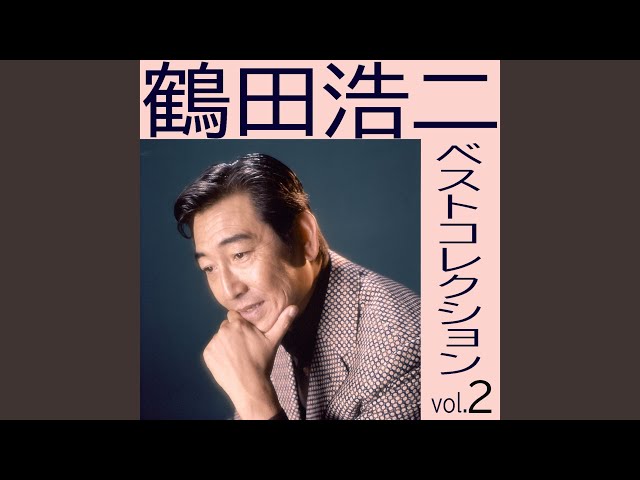
Since its release in 1971, Koji Tsuruta’s iconic Showa-era song “A Life Full of Scars” has continued to captivate many with its deeply emotional lyrics that sing of one’s way of life.
The song overlaps with Tsuruta’s own tumultuous life, expressing the resilience of someone tossed by the rough waves of existence yet striving to find light within them.
Tsuruta also starred in the film of the same name, and his blend of acting and vocal prowess won over countless fans.
Transcending generations, this work carries a grand theme that questions the meaning of life and delivers a memorable message in any situation.
It’s especially recommended when you want to reflect on your own life or spend meaningful time with someone important.
To say goodbyebiriibanban

Billy BanBan is a brother folk duo from Kunitachi City, Tokyo, who began their career in 1968.
Their signature song “Sayonara o Suru Tame ni” (“To Say Goodbye”) was released in 1972 and is also known as the theme song for the Nippon TV drama ‘3-chome 4-banchi.’ With the duo’s warm harmonies and a theme that reframes lost love in a positive light, it stands as a timeless classic that deeply resonates.
A new version was released in 1993, and the song has continued to be featured across various media, remaining beloved across generations.
Because it offers the courage to take a new step while reflecting on the past, it’s especially recommended for those at life’s turning points or anyone looking to begin something new.