

[Recommended for people in their 70s] Songs that get everyone excited. Songs you’ll want to sing at karaoke.

A collection of classic Showa-era songs that are now loved across generations.
This time, we’re introducing especially lively tracks recommended for people in their 70s.
Focusing on hits from the 1960s to the 1980s, we’ve gathered songs that are popular at karaoke and tunes you’ll find yourself humming along to.
Singing can help relieve stress, and enjoying these songs together with others will make their appeal shine even more.
It’s also nice to savor them on your own while listening closely to the lyrics.
Please enjoy these wonderful, uplifting songs as you look back on memories from those days.
- [Recommended for people in their 70s] Songs that really move you. Beloved classic Japanese hits of the past.
- Sing-Along Hits! Karaoke Songs That Get Women in Their 70s Excited
- [For Seniors] Popular Karaoke Songs That Everyone Can Enjoy Together
- [Recommended for people in their 70s] Classic nostalgic hits: A collection of youth songs
- [For Seniors] Songs Everyone Can Sing Together! A Roundup of Recommended Crowd-Pleasers
- Karaoke songs you’ll want to sing for men in their 70s: Enka and nostalgic Showa-era pop
- [For women in their 70s] A collection of songs that are easy to sing even for people who are tone-deaf
- Easy-to-sing songs recommended for women in their 70s: A collection of classic hits perfect for karaoke
- [Karaoke] Songs That Get Men in Their 70s Fired Up! A Collection of Nostalgic Japanese Hits [2026]
- Lively songs recommended for people in their 80s: A collection of nostalgic enka and kayōkyoku
- Recommended Cheer-Up Songs for People in Their 70s: A Collection of Uplifting Tunes
- Songs that get women in their 80s excited: A roundup of tracks also great for karaoke
- Energizing songs recommended for men in their 70s: A roundup of nostalgic power tracks
[Recommended for people in their 70s] Songs that get the crowd going. Songs you’ll want to sing at karaoke (101–110)
National Sake-Drinking Festival Song of Japanbarakūda

A heartwarming comic song that celebrates the joy of drinking, themed around annual events and regional specialties.
Originally released independently by Baracuda in December 1979, the track gained popularity on cable radio and was officially reissued by Toshiba EMI, reaching No.
11 on the Oricon chart and selling around 700,000 copies.
With a warm musical style that incorporates regional dialects, it is a classic deeply etched in the hearts of the Japanese people.
In 2021, an arranged version with a “hot pot” theme was featured in a Mizkan commercial, winning the hearts of a new generation.
It’s a song that brings smiles to everyone—perfect for livening up banquets and parties, or sharing joyful moments with close friends.
Melancholy TrainMitsubishi Michiya

A gem of a classic, woven from a universally memorable melody and a line steeped in nostalgia.
Michiya Mihashi’s expansive vocals—honed through his background in folk songs—richly convey the poignant sorrow of parting from a loved one.
With its universal themes that touch on the subtleties of life and lyrics that resonate deeply, the song invites empathy from many.
Since its 1956 release, it has been a massive hit, selling over 2.5 million copies, and was even adapted into a film the following year.
It is also a memorable piece that marked his first appearance on NHK’s Kōhaku Uta Gassen.
This work is perfect for enjoying together while sharing a sense of connection.
We hope you’ll hum or clap along as you bask in nostalgic memories.
Happy HinamatsuriSakushi: Satō Hachirō / Sakkyoku: Kawamura Kōyō

There’s a heartwarming song that enhances the festive mood of Hinamatsuri.
“Ureshii Hinamatsuri” is beloved by a wide range of generations, from children to older adults.
Created by Hachiro Sato and Koyo Kawamura, it has been sung for many years since its release in 1936.
Its charm lies in lyrics that gently depict the scenes and joy of the Doll Festival, paired with a bright and lively melody.
It’s also a song you often hear on TV and radio every March.
How about humming it together with older family members at Hinamatsuri events or during family gatherings? It will surely bring back fond memories.
Northern fishing groundsKitajima Saburō

Set against the harsh fishing grounds of Hokkaido, this enka masterpiece portrays the pride and resolve of fishermen.
The image of men braving raging waves and biting cold while thinking of tomorrow’s catch is deeply moving.
Its powerful melody and Saburo Kitajima’s richly expressive vocals brilliantly capture the fishermen’s way of life.
Released in June 1986, the song won the Best Vocal Performance at the 28th Japan Record Awards.
It’s recommended for older listeners as a piece that recalls life experience and pride in one’s work.
A Letter Waiting for Springyoshida takurou

This is a gem of a melody by Takuro Yoshida, warmly depicting a heartfelt exchange through letters that gently convey the feelings and memories of a man and a woman.
The image of two people far apart, drawing close to each other through their letters, carries a nostalgic sentiment that many have felt.
Accompanied by a calm guitar tone, the feelings of a couple trying to connect while awaiting the arrival of spring leave a lingering resonance.
Released in October 1979, it reached No.
52 on the Oricon Weekly Singles Chart.
It was also included on the album “ONLY YOU 〜since coming For Life〜,” and has long been loved by many.
It’s a perfect song for those moments when you want to relax and enjoy music while looking back on memories with someone special.
Recommended for people in their 70s: Uplifting songs. Songs you’ll want to sing at karaoke (111–120)
Let’s get married.yoshida takurou
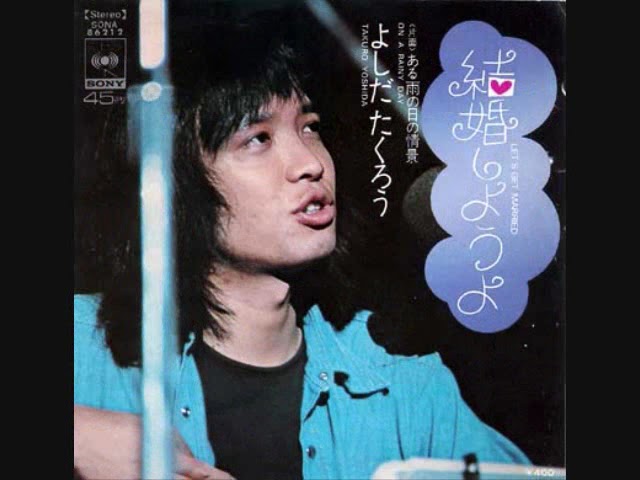
This work is memorable for its translucent, beautiful melody and sweet, poignant vocals.
Released in 1972, the song marked a major turning point in the history of folk music.
Centered on acoustic guitar, its warm sound creates an atmosphere that gently envelops feelings of love.
While poetically depicting springtime scenes, Takuro Yoshida expresses sincerity and pure affection.
Simple yet profound in its message, this classic reached a peak of No.
3 on the Oricon weekly chart.
Its heartwarming, gentle tone and tender vocal timbre enrich everyday moments.
It’s a song to savor slowly on a blossoming spring day, reminiscing with those of the same generation as memories come into full bloom.
If you’re happy and you know it, clap your handsSakamoto Kyu

Its charm lies in the way you can enjoy it by expressing a heartwarming classic through full-body movement.
It’s a song that lets you share the joy of connecting with others along with a simple, familiar melody.
Released by Kyu Sakamoto in 1964, it became one of his signature songs alongside “Ue o Muite Arukou” (“Sukiyaki”).
Based on an American folk song, Toshito Kimura wrote the Japanese lyrics with wishes for peace and friendship.
A heartwarming experience in the Philippines inspired the creation of this song, and it is said to have spread through activities at the YMCA.
It has been widely used in films and commercials and has long been cherished in educational settings.
Why not enjoy clapping and body movements together with seniors and let the conversation blossom with fond memories?