

[Recommended for people in their 70s] Songs that get everyone excited. Songs you’ll want to sing at karaoke.

A collection of classic Showa-era songs that are now loved across generations.
This time, we’re introducing especially lively tracks recommended for people in their 70s.
Focusing on hits from the 1960s to the 1980s, we’ve gathered songs that are popular at karaoke and tunes you’ll find yourself humming along to.
Singing can help relieve stress, and enjoying these songs together with others will make their appeal shine even more.
It’s also nice to savor them on your own while listening closely to the lyrics.
Please enjoy these wonderful, uplifting songs as you look back on memories from those days.
- [Recommended for people in their 70s] Songs that really move you. Beloved classic Japanese hits of the past.
- Sing-Along Hits! Karaoke Songs That Get Women in Their 70s Excited
- [For Seniors] Popular Karaoke Songs That Everyone Can Enjoy Together
- [Recommended for people in their 70s] Classic nostalgic hits: A collection of youth songs
- [For Seniors] Songs Everyone Can Sing Together! A Roundup of Recommended Crowd-Pleasers
- Karaoke songs you’ll want to sing for men in their 70s: Enka and nostalgic Showa-era pop
- [For women in their 70s] A collection of songs that are easy to sing even for people who are tone-deaf
- Easy-to-sing songs recommended for women in their 70s: A collection of classic hits perfect for karaoke
- [Karaoke] Songs That Get Men in Their 70s Fired Up! A Collection of Nostalgic Japanese Hits [2026]
- Lively songs recommended for people in their 80s: A collection of nostalgic enka and kayōkyoku
- Recommended Cheer-Up Songs for People in Their 70s: A Collection of Uplifting Tunes
- Songs that get women in their 80s excited: A roundup of tracks also great for karaoke
- Energizing songs recommended for men in their 70s: A roundup of nostalgic power tracks
Recommended for people in their 70s: Uplifting songs. Songs you’ll want to sing at karaoke (131–140)
Cute babyNakao Mie

Mie Nakao’s signature song “Kawaii Baby,” which propelled her to stardom in the 1960s, is still beloved as a karaoke staple today.
Released in 1962 when she was just 16, the hit sold over a million copies and its charm remains undiminished.
Nakao’s vibrant vocals and the melody steeped in nostalgic Showa-era atmosphere are sure to rekindle special memories for those in their seventies.
The song is also included on the 2019 album “Kawaii Baby: Mie Nakao Early Hits,” and it can still be enjoyed with a fresh feeling!
A summer to rememberYamaguchi Momoe

This famous song by Momoe Yamaguchi, which poignantly sings of summer love, portrays the feelings of a woman offering pure devotion.
Infused with lyrics about unconditional love for a first crush and the nobility that love brings, the song resonated with many and reached No.
3 on the Oricon charts.
Nearly half a century after its June 1974 release, it remains timeless and continues to be sung at karaoke.
It’s perfect for humming as you reminisce about summer memories or for singing with heartfelt feelings for someone special.
A must-listen for anyone who fondly recalls their youth.
Ozasiki SongMatsuo Kazuko Mahina Sutāzu

A gem of a classic in which a nostalgic, quintessentially Japanese melody blends beautifully with the sprightly Dodonpa rhythm.
Released in 1964 by Kazuko Matsuo with Hiroshi Wada and the Mahina Stars, it became a massive hit, selling over 1.5 million copies that same year.
Set in Kyoto’s Pontocho district, this highly narrative song portrays a fleeting romance between a geisha and a married man, expressing pure love and poignant resignation with exquisite sensitivity.
It was adapted into a film by Shochiku in February 1965 and won support across generations.
It’s a tune everyone can enjoy together—humming along, clapping in time with the rhythm.
Its catchy melody sticks in your head, making you want to sing along.
Sūdara-bushiHana Hajime to Kureēji Kyattsu
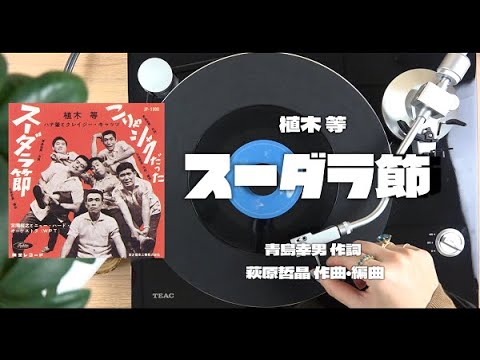
Hanaji Haji and the Crazy Cats’ “Sudarabushi” blends nostalgia with cheerfulness.
Released in 1961, the song continues to be loved by many.
Hitoshi Ueki’s distinctive vocals and the humorous lyrics naturally lift listeners’ spirits.
Whether you enjoy it at karaoke or relax with it at home, it fits a wide range of situations.
How about spending some wonderful time through music?
In the Great Sky and on the Vast EarthMatsuyama Chiharu

Chiharu Matsuyama’s classic “In the Sky and on the Earth” was released in 1977 and is still loved by many fans today.
Included on the album “A Song Made for You,” this piece is distinguished by lyrics and a melody crafted by Matsuyama himself.
Set against the vast nature of Hokkaido, it carries a message of living with strength and resilience, and when sung, it fills the room with an uplifting energy.
For people in their seventies, it’s a song that brings back memories of their younger days and gives them the courage to take a new step forward.
An essential crowd-pleaser for karaoke, it is truly a timeless masterpiece passed down through generations!
In conclusion
We introduced some lively songs recommended for people in their 70s. There were all kinds of tracks—from well-known hits that many are familiar with to unique tunes. Some of you may have felt nostalgic or even found yourselves humming along. If you want to get energized with music from back in the day or songs that suit your generation, please make good use of this list for those moments.