

A Showa-era song that had a revival hit on YouTube Shorts

In the Reiwa era, short videos like YouTube Shorts, TikTok, and Instagram Reels are all the rage.
Among them, music is indispensable.
So this time, we’re introducing Showa-era songs that became revival hits on YouTube Shorts!
If you regularly keep up with social media, I’m sure there are some tunes you’ve heard—so be sure to read to the end!
All of these revival hits are super catchy, so you might just get hooked.
Let’s get started!
- Showa-era songs that are popular on Instagram Reels
- [Revisited] A roundup of popular and classic Showa-era songs that are trending now [2026]
- Heisei-era songs that are popular on YouTube Shorts
- Nostalgic yet new! Songs that made a comeback and became revival hits on TikTok
- Including global hits! 80s songs popular on TikTok
- Nostalgic yet new! Hit songs from the Showa era you’ll want to use as BGM
- Popular Showa-era songs you can use in Instagram Stories
- Revival hits driven by social media! Classic Showa-era songs popular with Gen Z
- [Heisei Songs] Classic hits from the Heisei era that are popular on Instagram Reels
- Recommended BGM for YouTube Shorts! Popular songs released in the Reiwa era
- New-era masterpieces meet culture! Reiwa-era tracks that went viral on TikTok
- Showa-era songs that went viral on TikTok / revival hit songs
- Heisei-era hit songs gaining popularity on TikTok
Showa-era songs that saw a revival hit on YouTube Shorts (11–20)
dragonflyNagabuchi Tsuyoshi

Tsuyoshi Nagabuchi’s song is currently popular on Instagram and YouTube Shorts.
Released in October 1988, it’s a folk-rock number distinguished by its acoustic guitar.
The lyrics, which portray the setbacks and struggles of people who moved to Tokyo, resonate deeply and have garnered widespread empathy.
It was also used as the theme song for a TBS TV drama and spent five consecutive weeks at No.
1 on the Oricon charts.
It’s frequently performed live and continues to be cherished as one of Nagabuchi’s signature songs.
This work is a song that gives courage, encouraging those striving to make it in the city or taking on new environments.
Pretty Little BabyConnie Francis

A gentle, sweet melody that feels so pleasant—this is a song by Connie Francis.
It’s known as a classic from over 60 years ago and is often heard on YouTube Shorts.
The piece portrays a pure, single-hearted love, wishing that the person she likes would think of her and love her.
That nostalgic mood feels surprisingly fresh today.
Originally recorded in August 1961, it appeared as a B-side track on the May 1962 album “Connie Francis Sings ‘Second Hand Love’ & Other Hits.” The fact that it’s drawing worldwide attention more than 60 years later really shows the power of music.
It’s perfect as background music for heartwarming everyday videos or retro outfit showcases, and just listening to it can put you in a gentle, tender mood.
Cat, meow meow meowanonenone

This song tells an adventurous story about animals who aren’t satisfied with the status quo and set out into a new world.
Released by Anonenone as a single in February 1979, it’s a track packed with humor and pop charm.
The B-side features Yanyan Rock, the theme song for TV Tokyo’s program Yanyan Utau Studio.
Peaking at No.
42 on the Oricon chart, the song has been covered by many artists.
In October 1994, Tatsuo Kamon and Noburo Harada released a newly arranged version.
In 2013, the duo Fuku to Kanon—Fuku Suzuki and Kanon Tani—performed it as the ending theme for be-Ponkikkies.
It’s also trending on TikTok and YouTube Shorts, where users post it with comical choreography.
Tsubpari High School Rock ’n’ Roll (Going-to-School Edition)Yokohama Ginbae
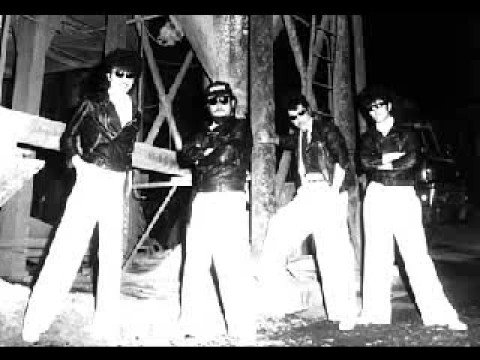
This is a single released in January 1981 that portrays the relationship between a headstrong high schooler and their parent with lively rock ’n’ roll.
The lyrics follow a 7-7-7-5 meter, creating a pleasing sense of rhythm and comically expressing the inner world of a rebellious youth.
While it vividly depicts the style and behavior of a delinquent, it’s also a nuanced work that reveals glimpses of care for the mother and a search for one’s own way of life.
It has remained beloved across generations, appearing in a 2008 commercial for Suntory’s canned chuhai “Calori.” and covered in a 2011 Asahi Soft Drinks “Jurokucha” ad featuring Yui Aragaki.
Today, it’s a trending track for posting dance videos on social media with simple, modern choreography.
In conclusion
We introduced some Showa-era hit songs you often hear on YouTube Shorts! How was it? Thanks to covers by Reiwa-generation artists and dance challenge videos, Showa songs are experiencing revival hits with today’s audiences. I feel that especially catchy, easy-to-remember choreography pairs well with short videos and helps drive those revivals. At Rug Music, we post various articles like this, so please check them out! Thanks for reading to the end.