

Timeless classics only! Showa-era hit songs perfect for acoustic sing-alongs

When you hear “solo acoustic performance,” many people probably picture Showa-era folk songs.
In recent years, thanks to the influence of social media and streaming services, many beloved classics have seen a revival, making it easier for people of all generations to enjoy timeless songs.
This time, we’re introducing a selection of Showa-era tracks that are perfect for solo acoustic performances.
Each song features the warm, resonant tones of the acoustic guitar that truly touch the heart—so be sure to find your new favorite!
- [Showa Era] A roundup of nostalgic folk song classics and popular tracks you’ll want to sing at karaoke
- An acoustic guitar’s tone that leaves an impression! Recommended Heisei-era hit songs for solo singing with guitar
- Nostalgic yet new! Hit songs from the Showa era you’ll want to use as BGM
- [Songs from the Showa Era] Introducing classic tracks that are easy to sing at karaoke.
- Heart-touching, tear-jerking masterpieces from the Showa era
- A roundup of classic Showa-era kayō songs: a comprehensive introduction to timeless tracks loved across generations.
- A classic Japanese folk song passed down through generations of acoustic performances
- Easy-to-sing songs recommended for men in their 80s: Showa-era classics to perform at karaoke
- Songs I'd love to hear on acoustic guitar! Reiwa-era masterpieces perfect for sing-alongs
- Popular Showa-era pop. Timeless hit songs.
- When you can’t decide what to sing at karaoke: Easy-to-sing classic hits from the Showa era
- Evokes the charm of the good old days. Showa-era inspirational songs that are still loved today.
- A Showa-era song that had a revival hit on YouTube Shorts
Nothing but timeless classics! Showa-era hit songs (21–30) recommended for solo singing with guitar/piano accompaniment
blue eyesJakkī Yoshikawa to Burū Komettsu

A masterpiece where a wistful melody merges with a stirring band sound.
First released during the dawn of the Group Sounds era—its English version in March 1966 and Japanese version in July—the song portrays a bittersweet romance with a woman encountered at the end of a journey through northern landscapes.
Following the English version’s sales of over 100,000 copies, the Japanese version became a massive hit, surpassing 500,000.
It earned Jackie Yoshikawa and the Blue Comets a spot in the 17th NHK Kōhaku Uta Gassen and helped ignite the GS boom.
With its polished performance and harmonies, this sonic world is a perfect pick for anyone wishing to bask in memories of first love and youth.
Flying to IstanbulShōno Mayoyo
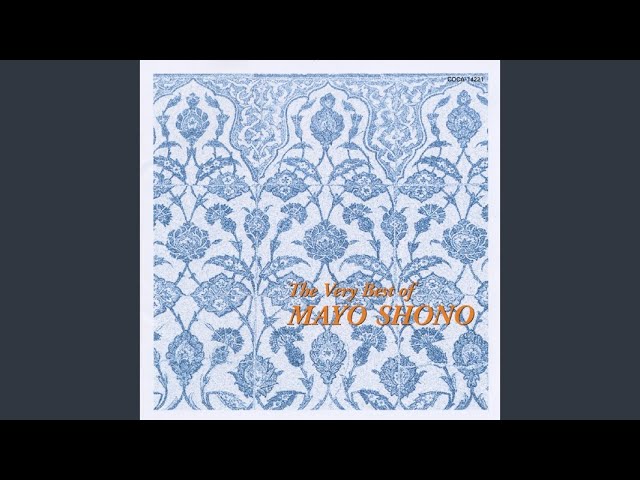
This is a classic song that portrays the fragility of love, woven from an urbane melody rich with exotic flair and a polished vocal performance.
While symbolically expressing a brief encounter and parting, its exotic atmosphere resonates deeply.
It artfully depicts the feelings of a heartbroken woman through the motif of a journey to a foreign land, with Kyōhei Tsutsumi’s composition and Tetsuya Chiaki’s lyrics in superb harmony.
Released in April 1978 as Mayoyo Shōno’s fifth single, it won the Nakayama Shimpei Award at the 20th Japan Record Awards and also secured a spot in that year’s 29th NHK Kōhaku Uta Gassen.
This piece is recommended for those who wish to face the end of love with hope, and for those who cherish the feelings they keep close to their heart.
In conclusion
How was it? This time, we introduced some classic Showa-era songs that are perfect for acoustic self-accompanied performances. Unlike the Reiwa era, which is overflowing with cutting-edge musicality and sound, these tracks all have a warm, nostalgic feel. We hope you’ll listen while imagining the atmosphere of the Showa period.