



When you hear “solo acoustic performance,” many people probably picture Showa-era folk songs.
In recent years, thanks to the influence of social media and streaming services, many beloved classics have seen a revival, making it easier for people of all generations to enjoy timeless songs.
This time, we’re introducing a selection of Showa-era tracks that are perfect for solo acoustic performances.
Each song features the warm, resonant tones of the acoustic guitar that truly touch the heart—so be sure to find your new favorite!
- [Showa Era] A roundup of nostalgic folk song classics and popular tracks you’ll want to sing at karaoke
- An acoustic guitar’s tone that leaves an impression! Recommended Heisei-era hit songs for solo singing with guitar
- Nostalgic yet new! Hit songs from the Showa era you’ll want to use as BGM
- [Songs from the Showa Era] Introducing classic tracks that are easy to sing at karaoke.
- Heart-touching, tear-jerking masterpieces from the Showa era
- A roundup of classic Showa-era kayō songs: a comprehensive introduction to timeless tracks loved across generations.
- A classic Japanese folk song passed down through generations of acoustic performances
- Easy-to-sing songs recommended for men in their 80s: Showa-era classics to perform at karaoke
- Songs I'd love to hear on acoustic guitar! Reiwa-era masterpieces perfect for sing-alongs
- Popular Showa-era pop. Timeless hit songs.
- When you can’t decide what to sing at karaoke: Easy-to-sing classic hits from the Showa era
- Evokes the charm of the good old days. Showa-era inspirational songs that are still loved today.
- A Showa-era song that had a revival hit on YouTube Shorts
Nothing but timeless classics! Showa-era hit songs recommended for acoustic self-accompaniment (1–10)
Wandering Love SongNagabuchi Tsuyoshi
Known as one of the iconic songs representing the Showa era, this was the artist’s second single overall.
Its melancholy melody and sentimental lyrics resonate deeply with listeners.
Tsuyoshi Nagabuchi’s powerful yet delicate vocals blend beautifully with the acoustic guitar.
Released in October 1978, the song drew attention as Nagabuchi’s re-debut work.
The promotional campaign—touring the country with just a guitar case in hand—was unusual for the time and became a talking point.
With its relaxed tempo and relatively narrow vocal range, it’s also recommended for those who want to try singing and playing guitar.
Kanda Riverkaguya hime

A signature work by Kaguya-hime that portrays the days of poor yet happy youth and a poignant farewell.
Released in September 1973, this folk song sold an impressive 1.6 million copies.
The lyrics, which depict the lives and emotions of impoverished students, are expressed in the “four-and-a-half tatami folk” style that symbolized youth culture at the time.
Its portrayal of pure love in conflict with societal values resonates deeply with listeners.
Covered by many artists, it remains a timeless classic cherished across generations.
Accompanied by the gentle sound of a folk guitar, it offers a moving vocal performance.
It’s the perfect song for moments when you want to feel the quiet happiness of everyday life spent with someone special.
Let’s get married.yoshida takurou
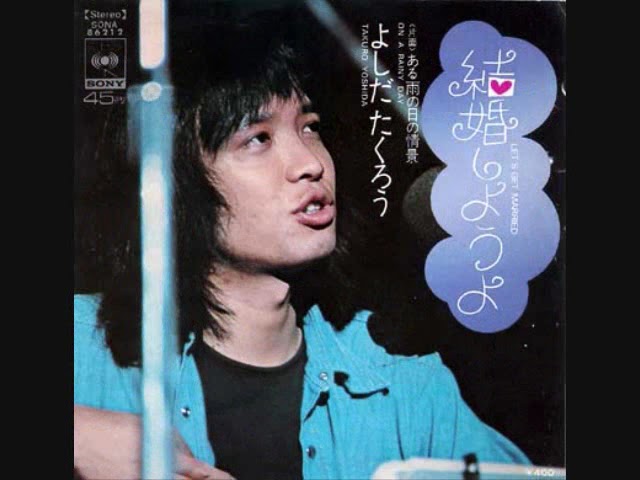
It is known as a song that significantly changed the status of folk music in the Japanese music scene.
Released as a single on January 21, 1972, it refreshed the prevailing image of protest songs and presented a new form of folk music through colorful wording and distinctive arrangements.
Through this song, Takuro Yoshida helped make folk music widely accepted as pop music among young people.
Against the backdrop of the late 1960s, when love marriages were becoming more common, the release portrayed an assertive proposal from a man to a woman—an approach that was remarkably innovative for its time.
With the resonant tone of the acoustic guitar that pierces the heart, it can be called a timeless masterpiece cherished across generations.
Strawberry Statement Once Againbanban

Banban’s songs, which reflect the feelings of young people and the spirit of the times, have continued to be loved by many.
This single, released in 1975, became a massive hit, even reaching No.
1 on the Oricon charts.
Characterized by a simple yet heartwarming arrangement centered on acoustic guitar, it has a gentle tone that deeply resonates with listeners.
Written and composed by Yumi Matsutoya, the lyrics depict the love and youth of young people against the backdrop of the student movements, striking a chord across generations.
It’s an unfading Showa-era classic, perfect for a relaxed, intimate guitar-and-vocal performance.
Sugarcane fieldMoriyama Ryoko

Known as a classic that colors the Showa-era pop scene, this piece carries lyrics that weave sorrow over war and a wish for peace, resonating with many hearts.
The melody, sung over the gentle tones of an acoustic guitar, evokes deep emotion.
First recorded in 1969 on the album “Ryoko Moriyama College Folk Album No.
2,” it has been cherished ever since.
Performed as a solo with guitar, it would surely become a song that deeply touches listeners.
If I’m wrapped in kindnessArai Yumi

A timeless classic cherished across generations for its warm melody and heartening lyrics.
Released in April 1974 as Yumi Arai’s third single, this song gently sings of gratitude and the importance of love.
It drew renewed attention when it was used as the ending theme for the film Kiki’s Delivery Service, and has since been embraced by a wide audience.
Wrapped in the soothing tones of acoustic guitar, it’s a perfect song to revisit when you want to remember your feelings of gratitude for someone special.
loveMatsuyama Chiharu

Known as one of Chiharu Matsuyama’s signature songs, this piece portrays the pain of heartbreak and the emotions of a woman.
It delicately expresses the complex feelings of a woman who continues to love despite being weary from romance.
Released in 1980 as his eighth single, it has since been included on various albums.
It appears on albums such as “Kishōtenketsu II” and “Tabidachi,” holding an important place throughout Matsuyama’s musical career.
Resonating with those who have experienced heartbreak or struggle with love, it’s a perfect choice for karaoke or acoustic guitar performances.