

List of popular Showa-era actresses that bring back memories: introducing iconic stars who evoke nostalgia


When you think of actresses from the Showa era, who comes to mind?
In this article, we’ll introduce some of the most popular actresses who represent the Showa period.
We’ve picked a variety of actresses—those who appeared in classic Showa-era dramas and films that continue to be loved across generations, as well as those who keep captivating many people even as they grow older.
Even if you don’t know their names, you might think, “I’ve seen her in that work!”
If there’s an actress you liked or are curious about, be sure to check out the works she appeared in!
- A compilation of beautiful actresses and singers from the Showa era: the beauties who captivated countless fans.
- A hugely popular star who colored the Showa era, known by everyone.
- Recommended love songs for people in their 80s: A collection of classic love songs that colored the Showa era
- Who is your favorite idol? Popular idols from the Showa era.
- Recommended love songs for people in their 90s: A collection of classic Shōwa-era romance songs
- Tear-Jerking Songs Recommended for Women in Their 80s: A Collection of Heart-Stirring Masterpieces
- Special feature on popular anime from the Showa era. Looking back at the hit shows of the time!
- A must-see for the Showa generation! Nostalgic popular snacks from the old days
- Have fun with classic Showa-era games! Simple yet profoundly engaging traditional pastimes
- Tear-jerking songs for women in their 70s: from Showa-era classics to Heisei hits
- A directory of popular women’s pro wrestlers from the Showa era: the star players who energized the times.
- [2026] Recommended karaoke songs for women in their 70s: from enka to Showa-era pop
- [For Seniors] Spring Songs You'll Want to Hum: Feel the Season with Nostalgic Classics
List of beloved Showa-era popular actresses: Introducing the iconic actresses who bring back memories (1–10)
Hideko Takamine

Affectionately known by the nickname “Deco-chan,” Hideko Takamine left an indelible mark on the history of Japanese cinema.
She made her debut as a child actor in the 1929 film Mother and quickly drew attention as a prodigy.
She went on to appear in works by directors such as Keisuke Kinoshita and Mikio Naruse, amassing more than 300 screen credits over her lifetime.
Her acclaimed performances in the 1954 film Twenty-Four Eyes and the following year’s Floating Clouds surely still resonate with many today.
In 1965, she won the Best Actress Award at the Locarno International Film Festival for the film Yearning, earning high praise abroad as well.
Beyond acting, she also left a literary legacy as an essayist, including works like My Itinerant Life Diary.
Why not revisit her world, which also showcases her charm as a singer?
Ryoko Sakuma

Many people must have been captivated by her dignified presence in Japanese films and dramas.
Ryoko Sakuma, the great actress who entered the industry in 1957 as a Toei “New Face,” made a brilliant transition from a pure, ingénue image to a powerhouse performer.
Her passionate performance in the film Jinsei Gekijō: Hishakaku is still talked about today.
Beyond the screen, she was highly acclaimed on stage as well, winning the Kazuo Kikuta Theatre Award in 1983, and her poised vocal expression in readings and singing is truly breathtaking.
She is also well-versed in calligraphy, and her elder son, Takehiro Hira, is active as an actor, making them known as an artistic family.
In 2012, she was awarded the Order of the Rising Sun, Gold Rays with Rosette.
Why not revisit the works she graced—masterpieces of the Showa era—and bask in the nostalgia of those times?
Fujiko Yamamoto

Fujiko Yamamoto, known as “the most beautiful woman in Japan” and winner of the first Miss Japan, graced the film world of the Showa era with her overwhelming beauty and elegance.
She made her debut in the 1953 film The Flowers of the Kodokan and appeared in over 100 works in just ten years.
As Daiei’s marquee actress, her performances in masterpieces such as Night River and Equinox Flower are still talked about today.
Her talent was indisputable—she won the Blue Ribbon Award for Best Actress in 1958.
Many surely admired her dignified appearance in traditional Japanese attire.
In 2018, she also received the Japan Academy Prize’s Chairman’s Distinguished Service Award.
Be sure to revisit her beauty through her classic films.
List of Beloved Showa-Era Popular Actresses: Introducing Unforgettable Leading Ladies (11–20)
Wakako Sakai

Wakako Sakai, an actress who took the world by storm as Toho’s “pure and innocent” star.
She made her debut in the 1964 film Today We Are Also in the Sky, and, alongside Yoko Naito, flourished as a youth idol.
Her first leading role, the 1968 release Rendezvous (Meguriai), is well known, and many were surely captivated by her demure beauty.
In June 1968, she also showcased her singing voice with the single Seishun Dori (Youth Street).
She received the Elan d’Or Newcomer Award in 1967, earning recognition for her talent as well.
Her Madonna-like presence in TV dramas such as Fly, Youth! remains vivid in the memories of many.
If you’d like to relive that youthful thrill, be sure to revisit her works.
Keiko Takahashi

She made her debut in 1970 under the name Keiko Sekine in the film “High School Blues,” and drew attention the same year with her bold performance in “Osanazuma.” Many viewers may have felt their hearts flutter at her role as the policewoman Shinko in the popular drama “Taiyo ni Hoero!” In 1982, she married film director Banmei Takahashi and changed her stage name to Keiko Takahashi.
She went on to appear in high-profile works such as the NHK Taiga drama “Nobunaga: King of Zipangu,” and won the Mainichi Film Award for Best Supporting Actress for the 2007 film “Fumiko’s Ocean.” She’s also well known from the Ladies’ Aderans commercials—be sure to check out her works.
Yoko Natsuki
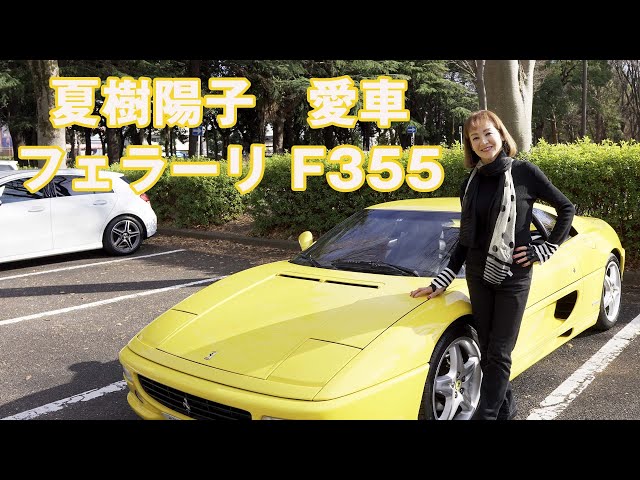
After a successful career as a fashion model, Yoko Natsuki made her acting debut in the 1977 film “The Karate Fanatic.” Contrary to her stunning looks, she eagerly sought “even gritty roles,” throwing herself into performances in works such as “New Female Prisoner Scorpion.” Her acting has been highly acclaimed, including winning the Newcomer Award at the Elan d’or Awards in 1978.
She is also captivating as a singer; in 1979 she released the album “Yokohama Jōen Monogatari,” enchanting fans with her voice.
Even after leaving Toei in February 1980, she thrived as the “Queen of Two-Hour Dramas,” and is known for her diverse hobbies such as clay shooting.
Many people surely draw energy from her glamorous and passionate presence.
Keiko Kishi

Keiko Kishi has continued to captivate many not only as an actress but also as a writer.
She made her film debut in 1951 and appeared in numerous masterpieces that colored the Showa era, including Yasujiro Ozu’s “Early Spring” and “Snow Country.” When she moved to France and entered into an international marriage in 1957, it became a major topic throughout Japan.
She has remained at the forefront for many years, winning the Japan Academy Prize for Best Actress for the 2001 film “Mother.” Her lifestyle shuttling between Paris and Japan, as well as her intellectually rich essays, are also compelling.
Why not take this opportunity to rediscover and enjoy her works, which convey a dignified beauty and inner strength?