


When you hear the phrase “moving songs,” what kind of tracks come to mind?
In every era, music that stirs the emotions has enriched people’s hearts.
That said, the shape of what moves us today in the Reiwa era likely feels a bit different from what moved us in earlier times.
So this time, we’re introducing some moving songs that colored the Showa era.
From pieces with grand themes and sweeping ensembles to songs that sing of single-hearted devotion, we’ve compiled a wide-ranging list.
We hope you’ll enjoy these timeless tunes while feeling the breeze of their era.
- The nostalgic atmosphere tugs at your heartstrings. Tear-jerker songs from the Showa era.
- Heart-touching, tear-jerking masterpieces from the Showa era
- So nostalgic it feels new? Showa retro classics that colored Japan’s period of rapid economic growth
- Can't Stop the Sentimentality! Emo Songs Released in the Showa Era
- [Classic Showa Kayō Hits] The captivating Showa-era pop songs beloved even by younger generations
- Old songs from the Showa to Heisei eras: a collection of timeless classics loved across generations
- Now’s the time to listen! Uplifting Showa-era songs that brightened Japan
- Showa-era nostalgic songs: Popular ranking
- Showa-era love songs: A roundup of timeless love songs cherished across generations
- Guaranteed to move your emotions! Emo songs released in the Reiwa era
- Cool songs from the Showa era. Masterpieces from Showa that shine with sensuality, passion, and rugged charm.
- Just listening to it purifies the heart... A healing song born in the Showa era.
- A roundup of classic Showa-era kayō songs: a comprehensive introduction to timeless tracks loved across generations.
Evokes the charm of the good old days. Showa-era tearjerker songs still loved today (1–10)
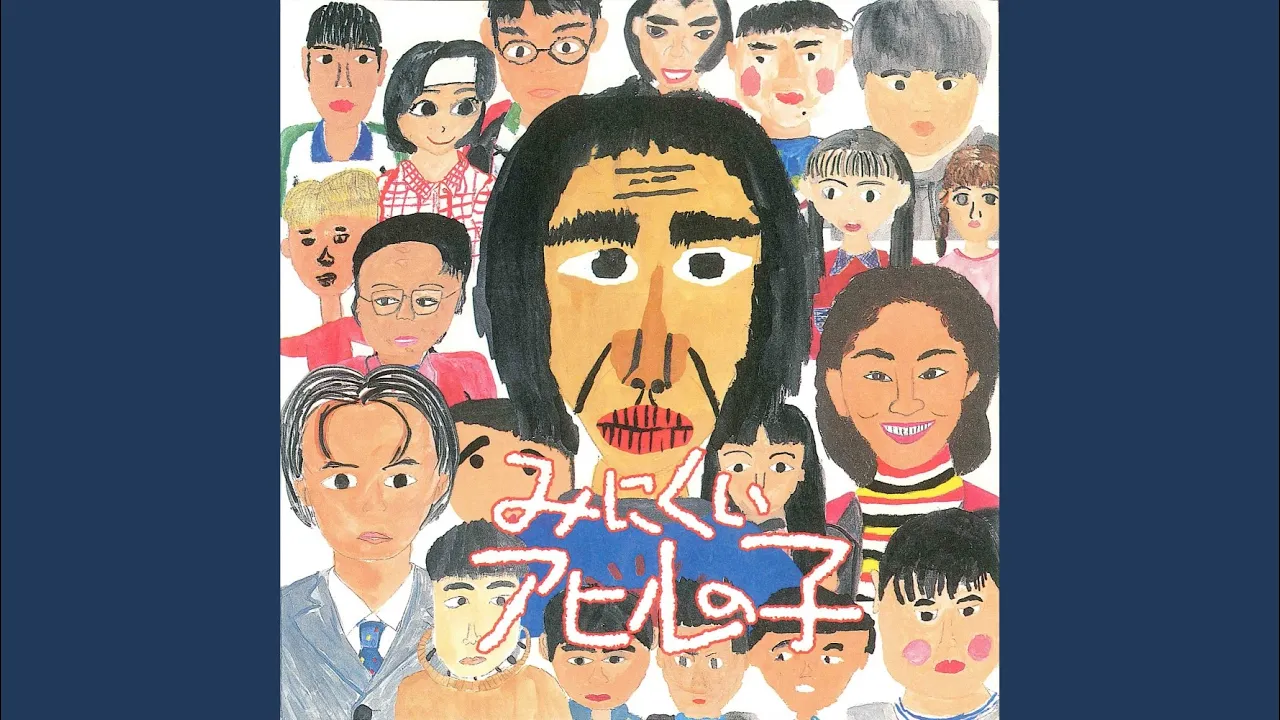
In the Great Sky and on the Vast EarthMatsuyama Chiharu

For those who are looking for a work that gently gives you a push when your heart feels weary, this may be the one.
This song by Chiharu Matsuyama is a classic included on the album “Kimi no Tame ni Tsukutta Uta,” released in June 1977.
It’s a familiar tune that was also featured on the soundtrack related to the drama “The Ugly Duckling” and used in a Seicomart milk commercial.
The lyrics express a resolve to seize happiness with one’s own hands amid vast nature, softly resonating with those struggling against life’s headwinds.
There’s even a well-known episode in which the artist sang it onboard a plane to encourage passengers during a delay.
It’s a number you’ll want to play when you need to take a breather.
Lapis-Lazuli EarthMatsuda Seiko

A song by singer-songwriter Seiko Matsuda, known as a leading top idol of the 1980s who continues to be active today with her overwhelming vocal ability and expressive power.
Featured on the album “SUPREME,” this work is a number with a grand theme and a universal message.
Characterized by lyrics imbued with love for humanity and a melody that resonates with listeners’ hearts, it is widely sung as a choral piece in educational settings.
Its acclaim is exceptionally high, having won the Album Award at the 28th Japan Record Awards in 1986.
Although it was never released as a single, it proved so popular that a promotional EP was produced, making it a quintessential moving song of the Showa era.
era; age; time; periodNakajima Miyuki

Released in December 1975, this song—Miyuki Nakajima’s second single—garnered high acclaim from the very start of her career, including winning the Grand Prix at the Yamaha Popular Song Contest.
Its lyrics, themed around hope and courage in the face of sorrow and hardship, have resonated deeply with many listeners.
In 2007, it was selected for the “100 Best Japanese Songs,” and in 2010 it was used as the ending theme for Fuji TV’s 50th anniversary drama “Our Family’s History,” remaining a beloved piece across generations.
It’s a highly recommended song for anyone looking to overcome difficult times or seeking emotional support.
I can’t put it into wordsofukōsu

This song, still loved by many as a classic from the Showa era, captures emotions beyond words with its delicate melody and heartfelt lyrics.
Released in February 1982 as Off Course’s 23rd single, it was a single cut from the previous year’s album “over.” Its memorable chorus resonates universally, making it a popular choice for weddings.
In 1999, it was also featured in a Meiji Life Insurance commercial, further endearing it to a wide range of generations.
It’s a perfect song for expressing feelings to someone important or for soothing the heart.
Asakusa KidBīto Takeshi

A classic song set in the downtown neighborhoods of the Showa era, portraying youthful dreams and friendship.
Beat Takeshi’s distinctive storytelling style and the simple yet deeply moving melody are truly captivating.
Included on the August 1986 album Asakusa Kid, this piece is said to have been born on the location set of the film Yasha.
Covers by various artists—such as Masaharu Fukuyama and Masaki Suda—also drew attention.
It’s a warm, inspiring anthem that I hope reaches those chasing their dreams or standing at a crossroads in life.
Lullaby of the Holy MothersIwasaki Hiromi

The song, which likens the city to a battlefield and extols maternal love that gently embraces wounded warriors, was released in May 1982 and was chosen as the first ending theme for the TV drama series “Tuesday Suspense Theater.” It topped the Oricon Singles Chart and became a massive hit with total sales exceeding 1.3 million copies, also winning the 13th Japan Kayō Awards.
Showcasing Hiromi Iwasaki’s outstanding vocal prowess, the lyrics convey profound maternal love and unconditional affection, distinguished by a deeply resonant message.
It can be called a classic of the Showa era, perfect for times when life wears you down or when you want to encourage someone.
Beyond the GoodbyeYamaguchi Momoe

The retirement single of Momoe Yamaguchi, who left a shining legacy in the Showa-era pop scene.
The lyrics, filled with her resolve to bring her showbiz career to a close and her gratitude to the fans who supported her for so many years, leave a deep impression on listeners.
Released in August 1980, it reached a peak position of No.
4 on the Oricon chart.
The fact that it has continued to be covered by various artists, including Ryudo Uzaki and Masayuki Suzuki, attests to the song’s timeless appeal.
It is a masterpiece that resonates even more deeply when heard before parting from someone dear.