


Can't Stop the Sentimentality! Emo Songs Released in the Showa Era

“Emoi,” a youth slang term that describes a state of tender, bittersweet, or nostalgic feeling.
The word itself is modern, but songs that could be called emoi have surely existed in every era.
So this time, we’re introducing emoi songs released in the Showa period.
We’ve selected tracks from various angles—songs with emotional lyrics distinct from today’s style, and arrangements that reflect the era—so we hope you enjoy them.
Can't stop the sentimentality! Emo songs released in the Showa era (1–10)
BAN BAN BANKuwata Keisuke
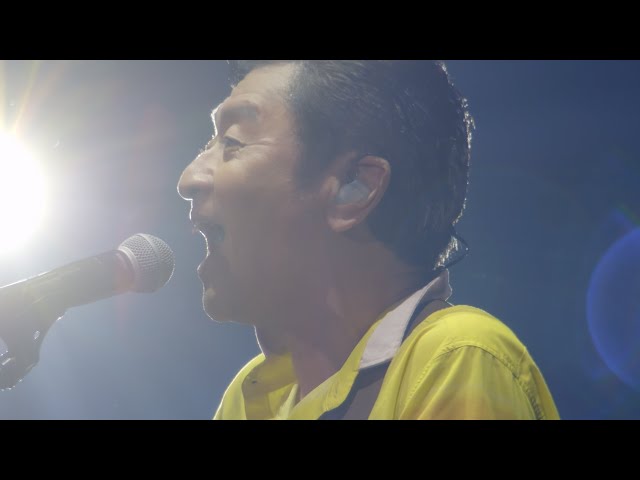
This is the debut single by KUWATA BAND, known for its upbeat sound and bittersweet lyrics.
Used in a Shiseido commercial, the song was released in April 1986 and spent 13 consecutive weeks in the Oricon Top 20.
Showcasing Keisuke Kuwata’s outstanding songwriting and composition, it expresses the pain of heartbreak and lingering feelings for past love through a blend of English and Japanese.
Its lyrics, portraying a fleeting summer romance, resonate deeply with listeners.
In 2022, it was also featured in a UNIQLO commercial, continuing to be cherished across generations.
It’s a recommended track for moments when you want to feel the ache of a breakup or reminisce about summer memories.
Embraced by the wintry windKoizumi Kyoko

The 20th single by Kyoko Koizumi, who is active across a wide range of fields from idol to actress.
Chosen as the theme song for the film “Don’t Mess With My Woman,” the track was written and composed by Toshihiko Takamizawa of THE ALFEE.
The lyrics, themed around the bittersweet unrequited love felt with the arrival of the cold season, delve deeply into the inner world of a heart in love and portray the pain of feelings that cannot reach their destination.
There are various versions of this work, including an arrangement close to the demo tape that used bagpipes, which is included on the album “Hippies.” It’s an emotional number with a nostalgic Showa-era flavor, perfect for listening alone on a long winter’s night.
SWEET MEMORIESMatsuda Seiko

Seiko Matsuda is known as a representative idol of the 1980s and is still an active and prolific singer-songwriter today.
Originally included as the B-side to her 14th single “Glass no Ringo” (Glass Apple), this song became widely popular after being featured in a Suntory CAN Beer commercial.
With lyrics by Takashi Matsumoto and music by Haruomi Hosono, it was released in August 1983.
The lyrics, which look back on a past romance and sing of its bittersweet pain and beauty, resonate deeply with listeners.
Expressing the feeling of overcoming the pain of heartbreak and accepting the past as a sweet memory, it stands as an emotional ballad emblematic of the Showa era.
Graduation PhotoArai Yumi

A song filled with memories of youth.
It’s an eternal masterpiece created by Yumi Arai.
Released in June 1975 on her third album, COBALT HOUR, this track continues to move people’s hearts across generations.
The lyrics, which seem to revive the precious memories of the protagonist’s high school days lying deep within, are sure to leave a lasting impression on listeners.
It’s a poignant youth anthem to play when you feel nostalgic and want to take a fresh look at yourself.
STILL LOVE HER (A Lost Landscape)TM NETWORK
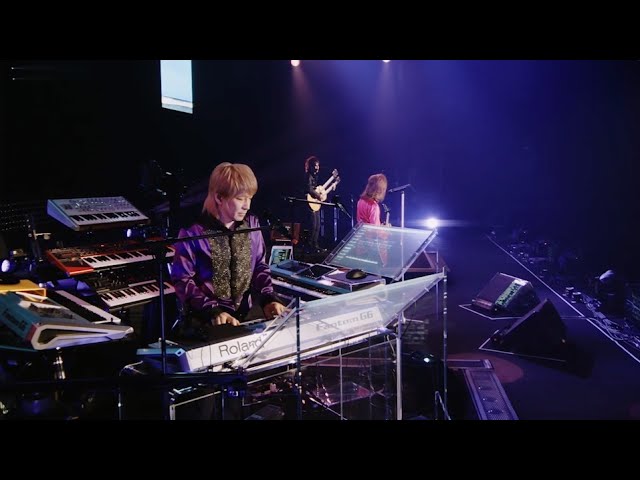
This TM NETWORK song is notable for its wistful melody and heartrending lyrics.
Included on the album “CAROL ~A DAY IN A GIRL’S LIFE 1991~,” it was also used as the ending theme for the anime City Hunter 2.
The lyrics, which depict scenes of London, evoke feelings of a lost love.
Released in December 1988, the track was created by Tetsuya Komuro and Naoto Kine, and features Kine’s distinctive harmonica solo.
Built on synthesizers with a ballad-like tone, it’s a quintessential TM NETWORK piece that fuses a digital pop sound with emotionally rich melodies.
It’s a recommended song for those troubled by love or when you want to remember someone special.
Under the big onionbakufū suranpu

Known as one of Bakufu Slump’s signature songs, this track is a heartfelt ballad that poignantly portrays a bittersweet love.
It features Sunplaza Nakano’s memorable vocals and lyrics so vivid they paint scenes before your eyes.
Included on the album “Shiawase,” released in November 1985, it was later remade and released as a single, becoming a major hit.
The song was also used as the theme for the film “Battle Heater” and in a commercial for Cosmo Oil.
It’s a recommended listen for those who want to empathize with pure feelings of love and the emotions of young people standing at a crossroads in life.
The lyric that describes the iconic roof of the Budokan as a “big onion” is especially striking and has captured the hearts of many listeners.
Give Up on SummerNaoko Ken
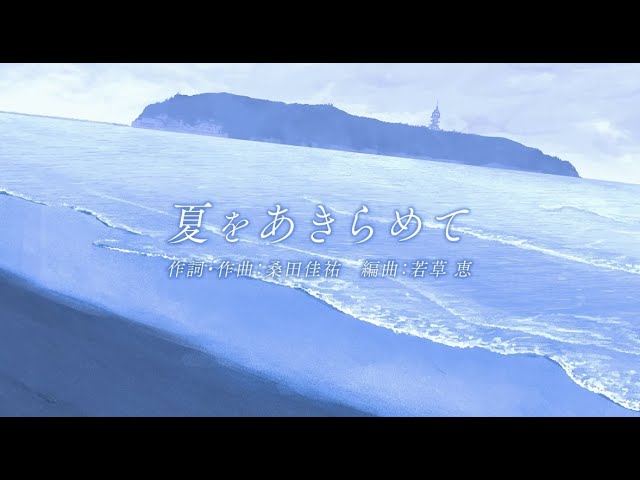
It’s a ballad that depicts the bittersweet scenes of summer’s end, delicately expressing the emotions of lovers.
Released in September 1982, the song achieved high acclaim, reaching No.
5 on the Oricon weekly chart and winning the Gold Prize at the Japan Record Awards.
Naoko Ken’s uniquely languid vocals beautifully convey the loneliness and frustration of late summer.
Closely associated with the imagery of Shonan and Enoshima, this piece is perfect to listen to as the season turns toward summer’s close.
Why not listen to it thoughtfully while recalling that last day you spent on the beach?