


The Showa era was a time when Japan underwent major changes, having experienced war and then rapid economic growth.
From the late Showa period into the Heisei era, the bubble economy collapsed, and perhaps it was precisely because those times were so unstable that many people drew energy from music.
So this time, we’re introducing some uplifting songs that represent the Showa era.
Each one is a classic that brightened the hearts of the nation, so they’re tracks we hope people of all generations will give a listen to!
- [Showa-Era Classics] A carefully selected collection of uplifting anthems that empower people across generations
- Evokes the charm of the good old days. Showa-era inspirational songs that are still loved today.
- Just listening to it purifies the heart... A healing song born in the Showa era.
- Just listening will lift your spirits! Energetic and cheer-up songs that defined the Heisei era.
- So nostalgic it feels new? Showa retro classics that colored Japan’s period of rapid economic growth
- Cool songs from the Showa era. Masterpieces from Showa that shine with sensuality, passion, and rugged charm.
- [Classic Showa Kayō Hits] The captivating Showa-era pop songs beloved even by younger generations
- Songs from the Heisei retro era that will get any generation excited! Timeless tracks you’ll want to listen to now.
- Uplifting! Heisei-Era Cheer Songs: The Best Hits
- Songs by Showa-era idols that you’ll want to listen to now, in the Reiwa era!
- Showa-era masterpieces roundup: A must-listen collection of nostalgic oldies and hit songs
- Old songs from the Showa to Heisei eras: a collection of timeless classics loved across generations
- Listening will surely fill you with courage! Cheer songs released in the Reiwa era
Listen now! Energetic Showa-era songs that brightened Japan (1–10)
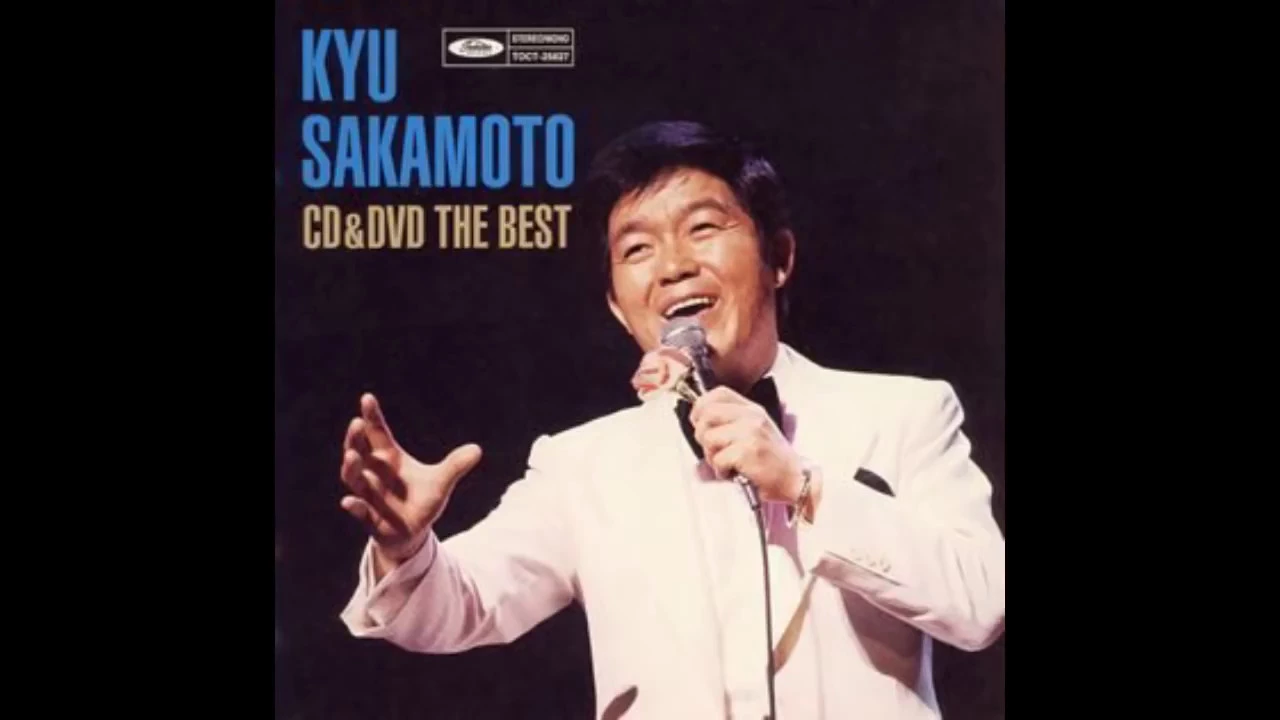
There’s always tomorrowSakamoto Kyu

A song by Kyu Sakamoto, known as an upbeat anthem representing the Showa era.
While depicting the heartbreak of an awkward young man, it conveys hope for a bright future.
Released by Toshiba Records in 1963, it was later used in a commercial for Japan Coca-Cola’s canned coffee, GEORGIA.
In 2000, it was even selected among the Top Ten of the New Words and Buzzwords Awards, earning support across a wide audience.
This bright, easygoing tune that gives you a gentle push forward remains an unfading, timeless classic despite the changing times.
YOUNG MAN (Y.M.C.A.)Saijō Hideki

When it comes to upbeat songs that defined the Showa era, you can’t leave out this track by Hideki Saijo.
A cover of a song by the American band Village People, it was released in February 1979 and became a massive hit, topping the Oricon charts for five consecutive weeks.
The lyrics and choreography, filled with a message of encouragement for young people, are distinctive, and it’s a song that lets the audience join in and have fun at concerts.
He also performed it at the 30th NHK Kohaku Uta Gassen, solidifying his status as a beloved national singer across all ages.
If you’re feeling down or heading to karaoke with friends, why not sing it with the choreography?
March of 365 StepsSuizenji Kiyoko

This is the signature work of Kiyoko Suizenji, known as a classic that energized Japan during the Showa era.
Released in November 1968, it was chosen as the entrance march for the high school baseball tournament the following year and has been loved across generations.
The lyrics, which convey the message “Let’s cherish each and every day,” resonate deeply with the Japanese spirit, overlapping with Buddhist teachings and the ethos of the tea ceremony.
More than just a popular song, it established itself as a cultural icon, even being used in social contribution activities.
It truly stands as a quintessential Showa-era feel-good anthem that has continued to encourage people striving to overcome difficult times.
strollInoue Azumi

A song that captured children’s hearts from the Showa into the Heisei era.
Released in 1988 as the opening theme for a Studio Ghibli animated film, this number features lyrics that depict children strolling through nature, brimming with curiosity and a sense of adventure.
It presents lush natural scenery and teaches the joy of seeing the world through a child’s eyes.
In 1997, it was voted No.
1 by about 1,400 preschoolers, and it remains a beloved classic across generations.
It’s a tune the whole family can enjoy, appealing to listeners from children to adults.
Nancy of Summer ColorsHayami Yū

It’s a song that colored the summer of 1983 and was also featured in a Coca-Cola commercial, right? Its refreshing synth sound and upbeat rhythm bring to mind the blue summer sky.
Released just a year after her debut, this track became one of Yū Hayami’s signature songs, beautifully capturing both the heartache and anticipation of summer romance.
The lyrics, depicting a journey of self-discovery in love, resonated with many people.
It’s a timeless summer tune that you’ll want to listen to by the seaside or poolside, loved across generations.
See, spring has come.ushirogami hikaretai

The Ushirogami Hikare Tai song, which expresses the arrival of spring in a bright and refreshing way, portrays the joy and anticipation of a new season.
It depicts scenes unique to spring, symbolizing fresh beginnings and vitality at the turn of the seasons.
Released in February 1988, the track was also used as the opening theme for the Fuji TV anime “Tsuide ni Tonchinkan,” and its tie-in with the anime further boosted its popularity.
It’s a pop tune that makes you want to listen in spring when the new school term and new lifestyles begin, lifting your spirits with its positive vibe.
Summer MissSakakibara Ikue

This is a number loved by many as a refreshing pop tune that represents summer.
The lyrics depicting youthful days at the beach and the light, lively melody resonate so pleasantly.
Released in July 1978 as Ikue Sakakibara’s seventh single, it became a hit, peaking at No.
5 on TBS’s “The Best Ten.” It’s a song that makes you feel the fresh summer breeze and brings back the thrills of the season of love.
Great for karaoke and perfect as background music for a drive.
Why not make it your summer companion and give it a listen?